

Motmot

インドガン 対 ベニバシガモ

Anser indicus 対 Netta peposaca

インドガンとベニバシガモのクイズ
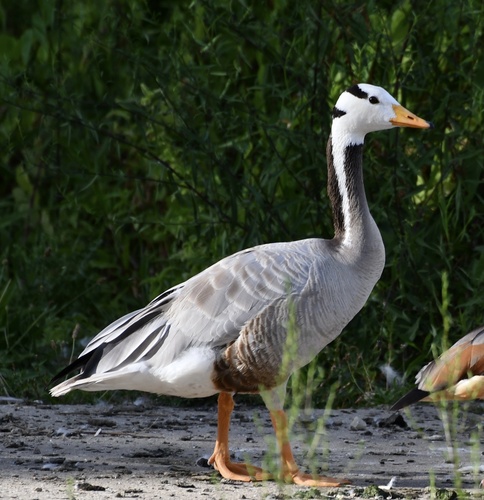
インドガン (Anser indicus) インドガン
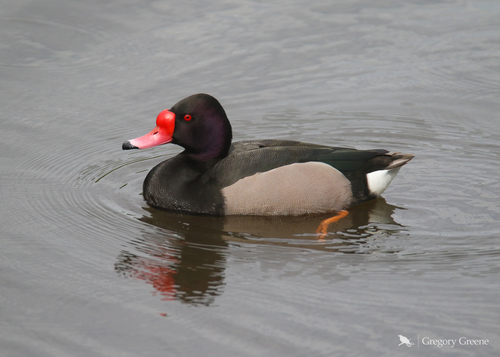
ベニバシガモ (Netta peposaca) ベニバシガモ

メディア

読み込み中…

要点

インドガンとベニバシガモの最も信頼できるフィールドマークは、インドガンの特徴的な淡い頭部に2本の太い黒いバーがあることで、これはベニバシガモには見られません。飛行中、ベニバシガモ(特にオス)は、翼を広げたときにのみ見える印象的な白い翼のストライプを示しますが、インドガンにはこの特徴がありません。構造的に、インドガンははるかに大きく、首が長く、重い鳥で、ベニバシガモのコンパクトな体と(オスの場合)目立つつまみのある明るい赤いくちばしと比較して、平坦で淡いくちばしを持っています。ベニバシガモの雌と幼鳥は鈍い茶色で、オスの赤いくちばしはありませんが、白いクリッサムと翼のストライプは示します。両種は開けた湿地生息地で見られることがありますが、自然に分布は重なりません。

識別のコツ

  1. Head pattern: インドガンは常に頭の後ろに2本の太い黒いバーがある白い頭を示します(成鳥と幼鳥);ベニバシガモはこのパターンを示しません。
  2. Bill color and shape: オスのベニバシガモは、基部に大きな丸いつまみがあり、先端が黒いピンクに変わる明るい赤いくちばしを持っています。雌は先端が黒い青灰色のくちばしを持っています。インドガンはつまみのない平坦で淡い(黄色がかったまたはオレンジ色の)くちばしを持っています。
  3. Wing pattern in flight: すべての年齢と性別のベニバシガモは、翼を完全に広げたときまたは飛行中にのみ見える一次と二次の広い白いストライプを示します。インドガンには白い翼のストライプがありません。
  4. Body size and structure: インドガンははるかに大きく、首が長く、体がずっしりしています。ベニバシガモはコンパクトで、首が短く、低いプロファイルです。
  5. Plumage color: インドガンは淡い灰色で、白い頭と黒いバーがあります。オスのベニバシガモは頭、首、胸が暗い紫黒色で、側面が灰色、白いクリッサムがあります;雌/幼鳥は鈍い茶色で白いクリッサムがあります。
  6. Sexual dimorphism: オスのベニバシガモだけが明るい赤いくちばしとつまみを持っています;雌と幼鳥は鈍い茶色でつまみがなく、白いクリッサムと翼のストライプを示します。
  7. Crissum (under-tail): ベニバシガモの両性は対照的な白いクリッサムを持っています;インドガンには鋭く対照的な尾の下部はありません。
  8. Flight style: インドガンは安定した力強い翼のビートと長い首を伸ばして飛びます;ベニバシガモは急速な翼のビートとコンパクトなシルエットを持っています。
  9. Takeoff behavior: ベニバシガモは走り出す必要があり、離陸に苦労します;インドガンはより直接的で力強く離陸します。
  10. Leg placement: ベニバシガモの脚は後方に配置されており、歩くのが不便です;インドガンは陸上で簡単に歩きます。
  11. Habitat context: 場所を考慮してください—インドガンはアジアに自生し、ベニバシガモは南アメリカに自生しています。飼育下または迷子の場合は、他のマークを確認してください。
  12. Voice: 両種は鳴きますが、ベニバシガモの鳴き声はより深く静かです;強いフィールドマークではありません。
  13. Group behavior: インドガンはしばしば大きな群れで草を食べています;ベニバシガモは小さな群れで水上にいることが多いです。
  14. Seasonal context: インドガンは渡り鳥で、夏にアジア、冬に南アジアで見られます;ベニバシガモは南アメリカ内で渡ります。
  15. Juvenile confusion: 幼鳥のベニバシガモは成鳥の雌に似ています(鈍い茶色、白いクリッサム、飛行中の白い翼のストライプ);インドガンの幼鳥は淡い頭と暗いバーを示します。

大きさ

インドガンははるかに大きく、平均体重は2367.5 gで、ベニバシガモの1092.5 gと比較されます [wikidata]。ガンは全体的に首が長く、ずっしりとしており、水上でも飛行中でもより威圧的な存在感を与えます。ベニバシガモはよりコンパクトで、首が短く、水上でのプロファイルが低いです。一緒に見られた場合、サイズの違いは明らかですが、単独で見られた場合は、ガンの長い首と大きな体を手がかりとして探してください。

羽色

インドガンに特定の年齢に応じた上翼パターンは記載されていませんが、すべての年齢と性別のベニバシガモは、飛行中または翼を完全に広げたときにのみ見える一次と二次の広い白いストライプを示します [wikipedia]。これは、飛んでいるまたは伸びている鳥の重要なマークです。インドガンは全体的に淡い灰色で、白い頭と2本の太い黒いバーが頭の後ろにあります(成鳥と幼鳥)。ベニバシガモのオスは紫黒色の頭、首、胸、灰色の側面、白いクリッサム(尾の下)を持ち、明るい赤いくちばしとつまみがあります;雌と幼鳥は鈍い茶色で青灰色のくちばしを持ち、白いクリッサムも示します。ベニバシガモはインドガンの黒い頭のバーや全体的な淡い色合いを示しません。

行動

インドガンは強力で高飛びの渡り鳥で、しばしば陸上で草を食べたり、開水域で泳いだりしており、陸上を歩くのも快適です。ベニバシガモは潜水カモとして分類されていますが、しばしばダブリングダックのように餌を食べ、泳ぐために脚が後方に配置されているため、歩くのが得意ではありません。ベニバシガモは離陸するために走り出す必要があり、急速な翼のビートを持ちますが、インドガンはより力強く安定して離陸します。飛行中、ガンは長い首を持ち、より直接的に見えますが、ベニバシガモはよりコンパクトで急速な翼を持っています。

生息環境

インドガンは中央アジアの高地湖で繁殖し、南アジアの低地で冬を越し、しばしば耕作された田畑や開けた湿地で見られます [wikipedia]。ベニバシガモは南アメリカに特有で、湖、湿地、時には水田で見られます [wikipedia]。彼らの自然な分布は重なりませんが、飼育下または迷子の場合は、両方が開けた湿地生息地で見られることがあります。場所の文脈は強い手がかりです。

声

インドガンは典型的なガンのような鳴き声を出しますが、ベニバシガモの鳴き声は鳴き声としても記述されますが、マガモと比較してより深く比較的静かです [wikipedia]。鳴き声は、特に距離がある場合、フィールドでの区別にはあまり特徴的ではありません。

より良い説明を送る

比較と同じ項目を使ってください。文章はすぐに公開されます。

The most reliable field mark between Bar-headed Goose and Rosy-billed Pochard is the Bar-headed Goose’s distinctive pale head with two bold black bars, which is never matched by the Pochard. In flight, Rosy-billed Pochard (especially males) shows a striking white wing stripe only visible with wings outstretched, while Bar-headed Goose lacks this feature. Structurally, Bar-headed Goose is a much larger, longer-necked, and heavier bird, with a plain, pale bill, compared to the Pochard’s compact body and (in males) a bright red bill with a prominent knob. Females and immatures of Rosy-billed Pochard are dull brown and lack the male's red bill, but still show the white crissum and wing stripe. Both species may be found in open wetland habitats, but their ranges do not overlap naturally.

  1. Head pattern: Bar-headed Goose always shows a white head with two bold black bars across the back of the head (adults and immatures); Rosy-billed Pochard never shows this pattern.
  2. Bill color and shape: Male Rosy-billed Pochard has a bright red bill with a large rounded knob at the base, fading to pink with a black tip. Females have a bluish-gray bill with a black tip. Bar-headed Goose has a plain, pale (yellowish or orange) bill with no knob.
  3. Wing pattern in flight: Rosy-billed Pochard of all ages and sexes shows a broad white stripe on the primaries and secondaries, visible only with wings fully outstretched or in flight. Bar-headed Goose lacks any white wing stripe.
  4. Body size and structure: Bar-headed Goose is much larger and longer-necked, with a bulkier body. Rosy-billed Pochard is compact, with a short neck and lower profile.
  5. Plumage color: Bar-headed Goose is pale gray with a white head and black bars. Male Rosy-billed Pochard is dark purplish-black on head, neck, and breast, with gray sides and a white crissum; females/juveniles are dull brown with a white crissum.
  6. Sexual dimorphism: Only male Rosy-billed Pochard has the bright red bill and knob; females and juveniles are dull brown and lack the knob, but still show the white crissum and wing stripe.
  7. Crissum (under-tail): Both sexes of Rosy-billed Pochard have a contrasting white crissum; Bar-headed Goose does not have a sharply contrasting under-tail area.
  8. Flight style: Bar-headed Goose flies with steady, powerful wingbeats and a long neck outstretched; Rosy-billed Pochard has rapid wingbeats and a compact silhouette.
  9. Takeoff behavior: Pochards require a running start and have trouble taking off; Bar-headed Goose takes off more directly and powerfully.
  10. Leg placement: Rosy-billed Pochard’s legs are set farther back, making walking awkward; Bar-headed Goose walks easily on land.
  11. Habitat context: Consider location—Bar-headed Goose is native to Asia, Rosy-billed Pochard to South America. In captivity or vagrancy, check for other marks.
  12. Voice: Both species honk, but Pochard’s call is deeper and quieter; not a strong field mark.
  13. Group behavior: Bar-headed Goose often in large, grazing flocks; Rosy-billed Pochard may be in smaller groups, often on water.
  14. Seasonal context: Bar-headed Goose is migratory, seen in Asia in summer and South Asia in winter; Rosy-billed Pochard migrates within South America.
  15. Juvenile confusion: Juvenile Rosy-billed Pochard resembles adult female (dull brown, white crissum, white wing stripe in flight); Bar-headed Goose juveniles still show pale head and dark bars.

Bar-headed Goose is substantially larger, with an average body mass of 2367.5 g compared to the Rosy-billed Pochard's 1092.5 g [wikidata]. The goose is also longer-necked and bulkier overall, giving a more imposing presence both on water and in flight. Rosy-billed Pochard is more compact, with a shorter neck and a lower profile on water. If seen together, the size difference is obvious, but in isolation, look for the goose’s long neck and larger body as clues.

No age-specific upperwing patterns are described for Bar-headed Goose, but Rosy-billed Pochard of all ages and sexes shows a broad white stripe on the primaries and secondaries, only visible in flight or with wings fully outstretched [wikipedia]. This is a key mark for flying or stretching birds. Bar-headed Goose is pale gray overall with a white head and two bold black bars across the back of the head (adults and immatures). Rosy-billed Pochard males have a purplish-black head, neck, and breast, gray sides, and a white crissum (under the tail), with a bright red bill and knob; females and juveniles are dull brown with a bluish-gray bill and also show a white crissum. The Pochard never shows the Bar-headed Goose’s black head bars or overall pale coloration.

Bar-headed Goose is a strong, high-flying migrant, often seen grazing on land or swimming in open water, and is comfortable walking on land. Rosy-billed Pochard, though classified as a diving duck, often feeds like a dabbling duck and is less adept at walking, with legs set farther back for swimming. Pochards require a running start to take off, with rapid wingbeats, while Bar-headed Goose takes off more powerfully and steadily. In flight, the goose appears longer-necked and more direct, while the Pochard is more compact and rapid-winged.

Bar-headed Goose breeds in high-altitude lakes of Central Asia and winters in lowland South Asia, often in cultivated fields or open wetlands [wikipedia]. Rosy-billed Pochard is endemic to South America, found in lakes, marshes, and wetlands, sometimes in rice fields [wikipedia]. Their natural ranges do not overlap, but both may be found in open wetland habitats if seen in captivity or vagrancy. Context of location is a strong clue.

Bar-headed Goose gives typical goose-like honking calls, while Rosy-billed Pochard’s vocalizations are described as honks as well, but deeper and relatively quiet compared to a Mallard [wikipedia]. Vocalizations are not highly distinctive between these two for field separation, especially at a distance.

変更を破棄しますか?

保存していない編集があります。今離れると失われます。

インドガン · ベニバシガモ · 苦手な鳥