

Motmot

ハシナガヨタカ 対 オオヨタカ

Systellura longirostris 対 Nyctidromus albicollis

ハシナガヨタカとオオヨタカのクイズ
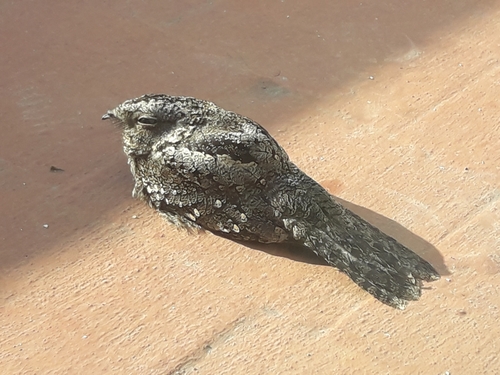
ハシナガヨタカ (Systellura longirostris) ハシナガヨタカ
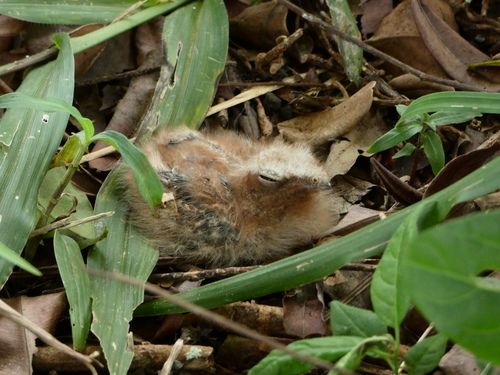
オオヨタカ (Nyctidromus albicollis) オオヨタカ

メディア

読み込み中…

要点

ハシナガヨタカとオオヨタカの最も信頼できるフィールドマークは、特に成鳥のオスにおける飛行中の翼と尾のパターンです:ハシナガヨタカのオスは翼に大胆な白いバンドと外側の尾羽に白いマークを示し、オオヨタカのオスは翼の先端近くに白い翼バンドと広い白い外側の尾羽を持っています。両種の幼鳥と雌はより難解ですが、ハシナガヨタカ(全ての年齢)は常に翼に淡いバンドを示し、オオヨタカの翼バンドは広がりが少なく、尾のパターンはオスでより顕著です。構造的には、オオヨタカは尾が長く、より地上性で、飛ぶよりも走る姿がよく見られます。両種は夜行性で隠れやすいですが、生息地と行動が助けになります:オオヨタカはより密なカバーを好み、道路やトラックから飛び立つ可能性が高いのに対し、ハシナガヨタカはより空中性で、しばしば開けた地面や岩に止まります。サイズは似ていますが、オオヨタカは平均してやや重いです。

識別のコツ

  1. Male wing and tail in flight: 成鳥のオスのハシナガヨタカは、翼に大胆な白いバンド(最初の4枚の初列風切羽)と最初と4番目の尾羽に白いマークを示します;オスのオオヨタカは翼の先端近くに白い翼バンドと広い白い外側の尾羽を持っています。これらは成鳥のオスの飛行中の最良のマークです。
  2. Female and immature wing pattern: 雌のハシナガヨタカはバフ(白ではない)翼バンドを持ち、尾に白がありません;雌のオオヨタカの翼バンドは狭く、尾には限られた白しかありません。幼鳥のハシナガヨタカは初列風切羽に狭い茶色がかったオレンジのバンドを示し、若いオオヨタカはあまりよく記述されていませんが、大胆な翼バンドがありません。
  3. Facial pattern: オオヨタカはバフのアイリングと顔の赤みがかった側面と対照的な明確な顔のストライプを持っています;ハシナガヨタカの顔はより均一で、コントラストが少なく、首には黄褐色から茶色がかったオレンジの襟があります。
  4. Throat color: オスのハシナガヨタカは目立つ白い喉のバンドを持ち、雌は黄褐色を示します。オオヨタカの喉はあまり明確にバンドされておらず、顔のストライプがより顕著です。
  5. Tail shape and pattern: オオヨタカの尾は長くて丸みがあり、オスの外側の羽には広い白があります。ハシナガヨタカの尾は短く、オスの特定の尾羽にのみ白いマークがあり、雌にはありません。
  6. Wing shape and structure: オオヨタカはより広く、丸みを帯びた翼と長い尾を持ち、飛行中に異なる印象を与えます。ハシナガヨタカはよりスリムで機敏です。
  7. Legs and terrestrial behavior: オオヨタカは長い脚と裸の脛を持ち、動かされると地面を走ることがよくあります。ハシナガヨタカは走るのではなく、飛び立ちます。
  8. Perched posture: オオヨタカはしばしば道路やトラックに沿って長さ方向に座り、時にはより密なカバーの中にいます。ハシナガヨタカは開けた地面、岩、または裸の土に止まる可能性が高いです。
  9. Plumage color morphs: オオヨタカは灰褐色または赤褐色であることがあります;ハシナガヨタカはより一貫して灰褐色から茶色がかったオレンジで、変異が少ないです。
  10. Habitat: オオヨタカは密なカバーと開けた採餌エリアを持つ混合生息地を好み、しばしば水辺や森林の端にいます。ハシナガヨタカは開けた、岩の多い、または高地の生息地に典型的です。
  11. Voice: もし「ウィーオーウィーオー」や「プクプク」といった口笛の音が聞こえたら、それはオオヨタカです。ハシナガヨタカの声は提供されたメモには記載されていません。
  12. Size and bulk: オオヨタカはやや重く、体格ががっしりしていますが、サイズの重複はかなりあります;サポートマークとしてのみ使用してください。
  13. Sex differences: 両種は翼と尾のパターンにおいて性差を示しますが、白の範囲と配置はオスのオオヨタカ(尾)とオスのハシナガヨタカ(翼と尾)でより顕著です。雌のマークはより微妙で、混同しやすいです。
  14. Juvenile confusion: 若いハシナガヨタカは初列風切羽に狭いオレンジのバンドを持ち、斑点が少ないです;幼鳥のオオヨタカはあまりよく記述されていませんが、大胆な翼バンドがありません。
  15. Flush behavior: 鳥が飛ぶ前に走る場合はオオヨタカを疑ってください;直接飛び立つ場合はハシナガヨタカの可能性が高いです。

大きさ

両種は中型のヨタカで、長さが重なっています(ハシナガヨタカ:20–27 cm;オオヨタカ:22–28 cm)[wikipedia]。しかし、オオヨタカはやや重く(平均成鳥質量53 g [wikidata])見え、尾が長く、翼が広いです。ハシナガヨタカはしばしばややスリムで、頑丈さが少ないです。これらの違いは微妙で、特に距離がある場合や光が悪い場合にはフィールドで信頼できるとは限りません。

羽色

幼鳥と未熟なハシナガヨタカは初列風切羽に狭い茶色がかったオレンジのバンドを示し、全体的に斑点が少なく、飛行中に見える翼の淡いバンドがあります。成鳥のオスは翼に大胆な白いバンド(最初の4枚の初列風切羽)と最初と4番目の尾羽に白いマークを持ち、雌はバフ(白ではない)翼バンドを持ち、尾に白がありません。オオヨタカのオスも白い翼バンドを持っていますが、それは翼の先端近くにあり、外側の尾羽はほとんど白で、飛行中に目を引く尾のコントラストを生み出します。雌のオオヨタカは狭い翼バンドと尾に白が少ないです。両種は上面が斑点のある茶色ですが、オオヨタカはより変動があり(灰褐色または赤褐色の形態)、バフのアイリングと顔の赤みがかった側面と対照的な顔のストライプを持っています。ハシナガヨタカはより均一な灰褐色または茶色がかったオレンジの上面を持ち、首には黄褐色の襟があり、顔のコントラストが少ないです。止まっている鳥では、顔のパターンと喉の色がより役立ちます:オオヨタカは大胆な顔のストライプとアイリングを示し、ハシナガヨタカはあまり明確でない顔と目立つ白(オス)または黄褐色(雌)の喉のバンドを持っています。

行動

オオヨタカは特に地上性が強く、動かされると地面を走ることが多く、しばしば道路、トラック、または開けた地面に休んでいます。彼らは長い脚(ヨタカとしては)と裸の脛を持ち、地上での習性を助けています。ハシナガヨタカはより空中性で、通常は走るのではなく飛び立ち、しばしば岩や裸の地面に止まります。両種は夜行性で、昼間は隠れやすいですが、オオヨタカはより密なカバーや混合生息地で見つかる可能性が高く、ハシナガヨタカはより開けた国に向いています。飛行中、オオヨタカはより広い翼と長い尾を持っているように見え、ハシナガヨタカはスリムでより機敏です。

生息環境

ハシナガヨタカは南アメリカ全体に広く分布しており、特にアンデス山脈、山脈、岩の多い斜面、草原、時には都市部などの開けた生息地に見られます。オオヨタカは南テキサスから中央アメリカと南アメリカの多くに分布し、密なカバーと開けた採餌エリアの混合を好む亜熱帯および熱帯地域を好みます。オオヨタカは二次成長、森林の端、さらには軽く乱された地域にも適応しますが、過度に都市化されたり伐採された区域は避けます。ハシナガヨタカは開けたまたは岩の多い高地にいる可能性が高く、オオヨタカは低地の森林、低木、そして水辺の近くを好みます。

声

オオヨタカは変化に富んだ歌を持ち、口笛の「ウィーオーウィーオー」("who-r-you")、柔らかい「プクプク」、求愛飛行中の鞭のような呼び声を含みます。雌は迅速な鞭の音を出します。提供されたメモにはハシナガヨタカの特定の声は記載されていないため、声はオオヨタカを確認するのに役立ちますが、もし一方だけが鳴いている場合にはこの二種を区別するのにはあまり役立ちません。

より良い説明を送る

比較と同じ項目を使ってください。文章はすぐに公開されます。

The most reliable field mark between Band-winged Nightjar and Common Pauraque is the wing and tail pattern in flight, especially in adult males: Band-winged Nightjar males show a bold white band across the wing and white marks on the outer tail feathers, while male Pauraques have a white wing band near the tips and broad white outer tail feathers. Juveniles and females of both species are trickier, but the Band-winged Nightjar (all ages) always shows a pale band in the wing, while the Pauraque's wing band is less extensive and its tail pattern is more pronounced in males. Structurally, Pauraque is longer-tailed and more terrestrial, often seen running rather than flying. Both species are nocturnal and cryptic, but habitat and behavior can help: Pauraque prefers denser cover and is more likely to flush from roads or tracks, while Band-winged Nightjar is more aerial and often perches on open ground or rocks. Size is similar, but Pauraque is slightly heavier on average.

  1. Male wing and tail in flight: Adult male Band-winged Nightjar shows a bold white band across the wing (on first four primaries) and white marks on the first and fourth tail feathers; male Pauraque has a white wing band near the tips and broad white outer tail feathers. These are the best marks in flight for adult males.
  2. Female and immature wing pattern: Female Band-winged Nightjar has a buff (not white) wing band and lacks white in the tail; female Pauraque's wing band is narrower and the tail has only limited white. Juvenile Band-winged Nightjars show a narrow brownish-orange band on the primaries, while young Pauraques are less well described but lack the bold wing band.
  3. Facial pattern: Pauraque has a buff eye-ring and a distinct facial stripe contrasting with reddish sides of the face; Band-winged Nightjar's face is more uniform, with less contrast and a yellowish-brown to brownish-orange collar on the neck.
  4. Throat color: Male Band-winged Nightjar has a prominent white throat band; female shows yellowish-brown. Pauraque's throat is less distinctly banded, and the facial stripe is more prominent.
  5. Tail shape and pattern: Pauraque's tail is longer and more rounded, with broad white on the outer feathers in males. Band-winged Nightjar's tail is shorter, with white marks only on certain rectrices in males and none in females.
  6. Wing shape and structure: Pauraque has broader, more rounded wings and a longer tail, giving a different jizz in flight. Band-winged Nightjar is slimmer and more agile.
  7. Legs and terrestrial behavior: Pauraque has longer legs and bare tarsi, often running on the ground when disturbed. Band-winged Nightjar flushes into flight rather than running.
  8. Perched posture: Pauraque often sits lengthwise on roads or tracks, sometimes in denser cover. Band-winged Nightjar is more likely to perch on open ground, rocks, or bare soil.
  9. Plumage color morphs: Pauraque can be greyish-brown or rufous; Band-winged Nightjar is more consistently greyish-brown to brownish-orange, with less variation.
  10. Habitat: Pauraque prefers mixed habitats with dense cover and open foraging areas, often near water or forest edge. Band-winged Nightjar is more typical of open, rocky, or upland habitats.
  11. Voice: If you hear a whistled 'weeeow wheeooo' or 'puk puk', it's Pauraque. Band-winged Nightjar's vocalizations are not described in the provided notes.
  12. Size and bulk: Pauraque is slightly heavier and bulkier, but size overlap is considerable; use only as a supporting mark.
  13. Sex differences: Both species show sexual dimorphism in wing and tail pattern, but the extent and placement of white is more pronounced in male Pauraque (tail) and male Band-winged Nightjar (wing and tail). Female marks are subtler and more easily confused.
  14. Juvenile confusion: Young Band-winged Nightjars have a narrow orange band on the primaries and less speckling; juvenile Pauraques are not as well described but lack the bold wing band.
  15. Flush behavior: If the bird runs before flying, suspect Pauraque; if it flushes directly into flight, Band-winged Nightjar is more likely.

Both species are medium-sized nightjars with overlapping length (Band-winged Nightjar: 20–27 cm; Common Pauraque: 22–28 cm) [wikipedia]. However, Pauraque is slightly heavier (mean adult mass 53 g [wikidata]) and appears bulkier, with a longer tail and broader wings. Band-winged Nightjar is often a bit slimmer and less robust in build. These differences are subtle and not always reliable in the field, especially at a distance or in poor light.

Juvenile and immature Band-winged Nightjars show a narrow brownish-orange band on the primaries, less speckling overall, and a pale band in the wing visible in flight. Adult males have a bold white band across the wing (on the first four primaries) and white marks on the first and fourth rectrices (tail feathers), while females have a buff (not white) wing band and lack white in the tail. Pauraque males also have a white wing band, but it is near the wing tips and the outer tail feathers are mostly white, creating a striking tail contrast in flight. Female Pauraques show a narrower wing band and less white in the tail. Both species are mottled brown above, but Pauraque is more variable (greyish-brown or rufous morphs) and has a buff eye-ring and facial stripe that contrast with reddish sides of the face. Band-winged Nightjar has a more uniform greyish-brown or brownish-orange upper side, with a yellowish-brown collar on the neck and less facial contrast. In perched birds, the facial pattern and throat color are more useful: Pauraque shows a bold facial stripe and eye-ring, while Band-winged Nightjar has a less distinct face and a prominent white (male) or yellowish-brown (female) throat band.

Pauraque is notably more terrestrial, often running on the ground when disturbed and frequently resting on roads, tracks, or open ground. It has long legs (for a nightjar) and bare tarsi, which aid its terrestrial habits. Band-winged Nightjar is more aerial, typically flushing into flight rather than running, and often perches on rocks or bare ground. Both species are nocturnal and cryptic by day, but Pauraque is more likely to be found in dense cover or mixed habitats, while Band-winged Nightjar is more open-country oriented. In flight, Pauraque appears broader-winged and longer-tailed, while Band-winged Nightjar is slimmer and more agile.

Band-winged Nightjar is widespread in South America, especially in the Andes, mountain ranges, and open habitats such as rocky slopes, grasslands, and sometimes urban areas. Pauraque is found from southern Texas through much of Central and South America, preferring subtropical and tropical regions with a mix of dense cover and open spaces for foraging. Pauraque adapts well to secondary growth, forest edges, and even lightly disturbed areas, but avoids heavily urbanized or clear-cut zones. Band-winged Nightjar is more likely in open or rocky uplands, while Pauraque favors lowland forests, scrub, and areas near water.

Pauraque has a variable song, including a whistled 'weeeow wheeooo' ("who-r-you"), soft 'puk puk', and a whip-like call during courtship flights. The female gives rapid whip sounds. No specific vocalizations are described for Band-winged Nightjar in the provided notes, so voice is more useful for confirming Pauraque than for separating these two if only one is calling.

変更を破棄しますか?

保存していない編集があります。今離れると失われます。

ハシナガヨタカ · オオヨタカ · 苦手な鳥