

Band-winged Nightjar vs Common Pauraque
Systellura longirostris contro Nyctidromus albicollis
Fai un quiz con Band-winged Nightjar e Common Pauraque
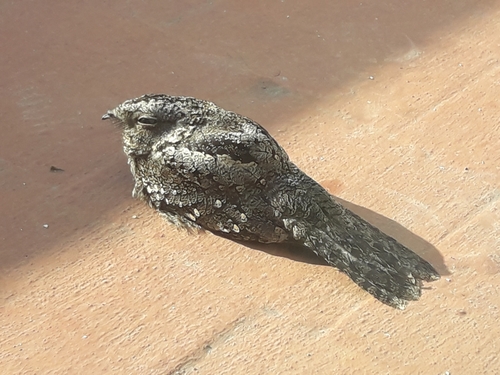 Band-winged Nightjar
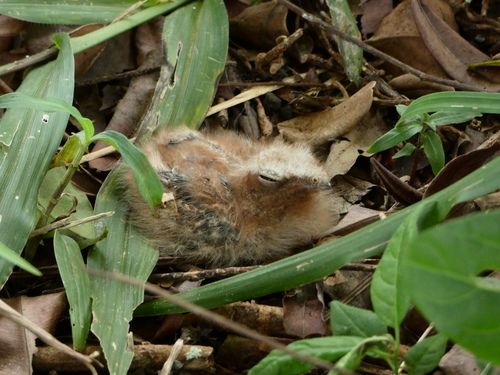 Common Pauraque
In breve
Il segno distintivo più affidabile tra Band-winged Nightjar e Common Pauraque è il motivo delle ali e della coda in volo, specialmente nei maschi adulti: i maschi di Band-winged Nightjar mostrano una bold bianca attraverso l'ala e segni bianchi sulle penne esterne della coda, mentre i maschi di Pauraque hanno una banda bianca sull'ala vicino alle punte e ampie penne bianche esterne della coda. I giovani e le femmine di entrambe le specie sono più difficili da distinguere, ma il Band-winged Nightjar (di tutte le età) mostra sempre una banda pallida nell'ala, mentre la banda dell'ala del Pauraque è meno estesa e il suo motivo della coda è più pronunciato nei maschi. Strutturalmente, il Pauraque ha una coda più lunga e un comportamento più terrestre, spesso visto correre piuttosto che volare. Entrambe le specie sono notturne e criptiche, ma l'habitat e il comportamento possono aiutare: il Pauraque preferisce coperture più dense ed è più propenso a volare via da strade o sentieri, mentre il Band-winged Nightjar è più aereo e spesso si posiziona su terreni aperti o rocce. La dimensione è simile, ma il Pauraque è leggermente più pesante in media.
Consigli di identificazione
- Ali e coda maschili in volo: Il maschio adulto di Band-winged Nightjar mostra una bold bianca attraverso l'ala (sulle prime quattro primarie) e segni bianchi sulle prime e quarte penne della coda; il maschio Pauraque ha una banda bianca sull'ala vicino alle punte e ampie penne bianche esterne della coda. Questi sono i migliori segni in volo per i maschi adulti.
- Motivo delle ali femminili e immature: La femmina di Band-winged Nightjar ha una banda dell'ala color sabbia (non bianca) e manca di bianco nella coda; la banda dell'ala della femmina di Pauraque è più stretta e la coda ha solo un bianco limitato. I giovani Band-winged Nightjar mostrano una stretta banda arancione-bruna sulle primarie, mentre i giovani Pauraque sono meno ben descritti ma mancano della bold banda dell'ala.
- Motivo facciale: Il Pauraque ha un anello oculare color sabbia e una striscia facciale distinta che contrasta con i lati rossi del viso; il viso del Band-winged Nightjar è più uniforme, con meno contrasto e un collare giallo-bruno o arancione-bruno sul collo.
- Colore della gola: Il maschio di Band-winged Nightjar ha una prominente banda bianca sulla gola; la femmina mostra un colore giallo-bruno. La gola del Pauraque è meno distintamente striata, e la striscia facciale è più prominente.
- Forma e motivo della coda: La coda del Pauraque è più lunga e più arrotondata, con ampio bianco sulle penne esterne nei maschi. La coda del Band-winged Nightjar è più corta, con segni bianchi solo su certe rectrici nei maschi e nessuno nelle femmine.
- Forma e struttura dell'ala: Il Pauraque ha ali più larghe e arrotondate e una coda più lunga, dando un diverso aspetto in volo. Il Band-winged Nightjar è più snello e agile.
- Zampe e comportamento terrestre: Il Pauraque ha zampe più lunghe e tarsi nudi, spesso correndo a terra quando disturbato. Il Band-winged Nightjar si alza in volo piuttosto che correre.
- Postura in perching: Il Pauraque spesso si siede longitudinalmente su strade o sentieri, a volte in coperture più dense. Il Band-winged Nightjar è più propenso a posarsi su terreni aperti, rocce o terreni nudi.
- Morphs di colore del piumaggio: Il Pauraque può essere grigio-bruno o rufous; il Band-winged Nightjar è più costantemente grigio-bruno o arancione-bruno, con meno variazione.
- Habitat: Il Pauraque preferisce habitat misti con copertura densa e aree di foraggiamento aperte, spesso vicino all'acqua o al bordo della foresta. Il Band-winged Nightjar è più tipico di habitat aperti, rocciosi o montani.
- Voce: Se senti un 'weeeow wheeooo' o 'puk puk' fischiato, è il Pauraque. Le vocalizzazioni del Band-winged Nightjar non sono descritte nelle note fornite.
- Dimensione e massa: Il Pauraque è leggermente più pesante e massiccio, ma la sovrapposizione delle dimensioni è considerevole; usa solo come segno di supporto.
- Differenze sessuali: Entrambe le specie mostrano dimorfismo sessuale nel motivo delle ali e della coda, ma l'estensione e la posizione del bianco sono più pronunciate nel maschio Pauraque (coda) e nel maschio Band-winged Nightjar (ala e coda). I segni femminili sono più sottili e più facilmente confondibili.
- Confusione giovanile: I giovani Band-winged Nightjar hanno una stretta banda arancione sulle primarie e meno maculature; i giovani Pauraque non sono così ben descritti ma mancano della bold banda dell'ala.
- Comportamento di volo: Se l'uccello corre prima di volare, sospetta il Pauraque; se si alza direttamente in volo, è più probabile che sia il Band-winged Nightjar.
Taglia
Entrambe le specie sono notturni di dimensioni medie con lunghezze sovrapposte (Band-winged Nightjar: 20–27 cm; Common Pauraque: 22–28 cm) [wikipedia]. Tuttavia, il Pauraque è leggermente più pesante (massa media adulta 53 g [wikidata]) e appare più massiccio, con una coda più lunga e ali più larghe. Il Band-winged Nightjar è spesso un po' più snello e meno robusto nella costruzione. Queste differenze sono sottili e non sempre affidabili sul campo, specialmente a distanza o in scarsa luce.
Piumaggio
I giovani e gli immature Band-winged Nightjar mostrano una stretta banda arancione-bruna sulle primarie, meno maculature complessive, e una banda pallida nell'ala visibile in volo. I maschi adulti hanno una bold bianca attraverso l'ala (sulle prime quattro primarie) e segni bianchi sulle prime e quarte rectrici (penne della coda), mentre le femmine hanno una banda dell'ala color sabbia (non bianca) e mancano di bianco nella coda. I maschi di Pauraque hanno anche una banda bianca sull'ala, ma è vicino alle punte dell'ala e le penne esterne della coda sono per lo più bianche, creando un contrasto sorprendente della coda in volo. Le femmine di Pauraque mostrano una banda dell'ala più stretta e meno bianco nella coda. Entrambe le specie sono macchiate di marrone sopra, ma il Pauraque è più variabile (morphs grigio-bruno o rufous) e ha un anello oculare color sabbia e una striscia facciale che contrastano con i lati rossi del viso. Il Band-winged Nightjar ha un lato superiore più uniforme grigio-bruno o arancione-bruno, con un collare giallo-bruno sul collo e meno contrasto facciale. Negli uccelli in perching, il motivo facciale e il colore della gola sono più utili: il Pauraque mostra una striscia facciale bold e un anello oculare, mentre il Band-winged Nightjar ha un viso meno distintivo e una prominente banda bianca (maschio) o giallo-bruna (femmina) sulla gola.
Comportamento
Il Pauraque è notevolmente più terrestre, spesso correndo a terra quando disturbato e frequentemente riposando su strade, sentieri o terreni aperti. Ha zampe lunghe (per un nightjar) e tarsi nudi, che aiutano le sue abitudini terrestri. Il Band-winged Nightjar è più aereo, tipicamente si alza in volo piuttosto che correre, e spesso si posiziona su rocce o terreni nudi. Entrambe le specie sono notturne e criptiche durante il giorno, ma il Pauraque è più probabile che venga trovato in coperture dense o habitat misti, mentre il Band-winged Nightjar è più orientato verso il paese aperto. In volo, il Pauraque appare con ali più larghe e coda più lunga, mentre il Band-winged Nightjar è più snello e agile.
Habitat
Il Band-winged Nightjar è diffuso in Sud America, specialmente nelle Ande, nelle catene montuose e in habitat aperti come pendii rocciosi, praterie e talvolta aree urbane. Il Pauraque si trova dal Texas meridionale attraverso gran parte dell'America Centrale e Meridionale, preferendo regioni subtropicali e tropicali con un mix di copertura densa e spazi aperti per foraggiamento. Il Pauraque si adatta bene alla crescita secondaria, ai bordi delle foreste e persino a aree leggermente disturbate, ma evita zone fortemente urbanizzate o disboscate. Il Band-winged Nightjar è più probabile che si trovi in uplands aperti o rocciosi, mentre il Pauraque favorisce le foreste di pianura, i cespugli e le aree vicino all'acqua.
Voce
Il Pauraque ha un canto variabile, che include un 'weeeow wheeooo' fischiato ("who-r-you"), un 'puk puk' morbido e un richiamo simile a una frusta durante i voli di corteggiamento. La femmina emette suoni rapidi simili a fruste. Nessuna vocalizzazione specifica è descritta per il Band-winged Nightjar nelle note fornite, quindi la voce è più utile per confermare il Pauraque che per separare queste due specie se solo una sta cantando.
Band-winged Nightjar · Common Pauraque · I miei uccelli difficili