

Motmot

ボルチモアムクドリモドキ 対 キヅタアメリカムシクイ

Icterus galbula 対 Setophaga coronata

ボルチモアムクドリモドキとキヅタアメリカムシクイのクイズ
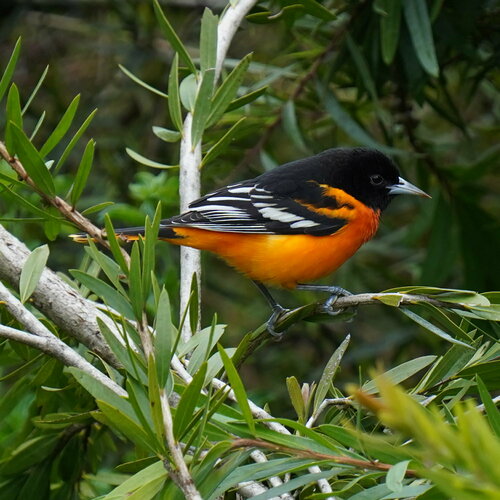
ボルチモアムクドリモドキ (Icterus galbula) ボルチモアムクドリモドキ
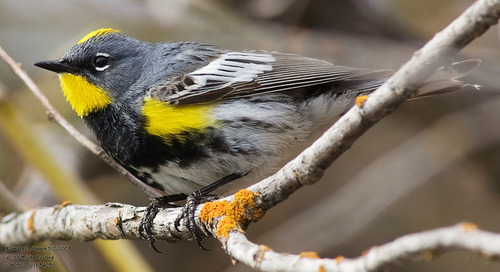
キヅタアメリカムシクイ (Setophaga coronata) キヅタアメリカムシクイ

メディア

読み込み中…

要点

ボルチモアムクドリモドキとキヅタアメリカムシクイを区別するための最も信頼できるフィールドマークは、ムクドリモドキの大胆なオレンジ(またはオレンジ-イエロー)の下部と尾、暗い翼に目立つ白い翼帯が組み合わさったものであり、対してムシクイはストライプの入った灰色または茶色の羽毛に明確な黄色の尾羽の斑点とより小さく、繊細な構造を持っています。幼鳥と雌のボルチモアムクドリモドキは、より鈍い色合いのためにムシクイと混同されることがありますが、それでもムクドリモドキの大きなサイズ、太く尖ったくちばし、全体的なオレンジまたは黄色のトーンが、より小さくストライプの入ったムシクイと区別されます。飛行中、ボルチモアムクドリモドキはより頑丈なイケタリッドのジズを示し、常に白い翼帯を表示しますが、キヅタアメリカムシクイはスリムで、よりフラッターするムシクイの飛行を持ち、ムクドリモドキの広範なオレンジを欠いています。両種は移動中に重複する生息地で見られますが、構造と羽毛の違いは良好な視界で明確に残ります。

識別のコツ

  1. 白い翼帯と白い翼の斑点の違い: すべての年齢のボルチモアムクドリモドキは、暗い翼に2つの大胆な白い翼帯を示しますが、キヅタアメリカムシクイは白い翼の斑点を持っていますが、真の帯はありません。これは、止まっている鳥や飛んでいる鳥に特に役立ちます。
  2. 黄色い尾羽とオレンジの尾羽: キヅタアメリカムシクイは、鈍い羽毛でも明るい黄色の尾羽の斑点を常に示しますが、ボルチモアムクドリモドキはオレンジまたは黄色-オレンジの尾羽(下部に合わせて)を持っていますが、決して鋭く定義された黄色の斑点はありません。
  3. くちばしの形とサイズ: ムクドリモドキは太く尖ったイケタリッドのくちばしを持ち、ムシクイのスリムで尖ったくちばしよりも明らかに太いです。これは、近距離または写真で診断的です。
  4. 全体的なサイズと構造: ムクドリモドキははるかに大きく、ずっしりとしており、長い尾とより頑丈な体を持っていますが、ムシクイは小さく、スリムで繊細です。サイズの違いは、両者が一緒に見られると明らかですが、孤立したムクドリモドキは遠くから見ると小さく見えることに注意してください。
  5. 下部の色: 成熟したオスのボルチモアムクドリモドキは、下部が鮮やかなオレンジです。雌と幼鳥は鈍いオレンジ-イエローです。キヅタアメリカムシクイは常に下部にストライプがあり(灰色または茶色のストライプ)、決して固体のオレンジまたは黄色ではありません。
  6. 背中と頭のパターン: ムクドリモドキは、平坦で暗い(オス)または黄色-茶色(雌/幼鳥)の背中を持っていますが、ムシクイは上部にストライプがあり、対照的な頬の斑点を示すことがあります(繁殖期のオスのマートルムシクイでは黒、雌では茶色または灰色)。
  7. 飛行中の尾のパターン: ムシクイは白い尾の斑点を示します(特に飛行中に明らかです)が、ムクドリモドキは白い斑点のない平坦な暗い尾を持っています。
  8. 行動: ムクドリモドキはより意図的に動き、果物や蜜を食べているのが見られることがありますが、ムシクイは落ち着きがなく、しばしば昆虫を捕まえたり、混合群れに参加したりします。
  9. 声: ムクドリモドキの歌は、明確で笛のような音の連続であり、ムシクイの歌は乾燥した速いトリルです。呼び声も異なります:ムクドリモドキのチャッターは、ムシクイの柔らかい「チップ」よりも厳しく、音が大きいです。
  10. 生息地の文脈: ムクドリモドキは高い広葉樹の木や果物のフィーダーにいる可能性が高いですが、ムシクイはより広範囲の生息地に見られ、しばしば針葉樹や混合林におり、群れでいる可能性が高いです。
  11. 性別と年齢の落とし穴: 雌と幼鳥のムクドリモドキは黄色がかって鈍く見えることがありますが、それでも白い翼帯と大きく太いくちばしを示します。雌と未熟なムシクイはストライプがあり、小さく、常に黄色の尾羽を示します。
  12. 季節的な混乱: ムクドリモドキは主に春と夏に東部に存在しますが、ムシクイは特に南部の冬にいくつかの地域で年間を通じて見られます。
  13. 飛行中のジズ: ムクドリモドキは安定した羽ばたきで強く、直接的な飛行を持っていますが、ムシクイはよりフラッターし、不規則です。
  14. 採餌行動: ムクドリモドキは果物を突いたり、蜜をすするのが見られることがありますが、ムシクイはこれをあまり行わず、昆虫を集めたり、飛び捕りをしているのがより一般的です。
  15. 混合群れ: ムシクイは繁殖期以外に特に混合種の群れに参加することが多いですが、ムクドリモドキは通常孤立しているか、ペアでいます。

大きさ

ボルチモアムクドリモドキはキヅタアメリカムシクイよりも明らかに大きく、ずっしりとしています。ムクドリモドキは長さ17–22 cm、翼幅23–32 cm、平均34 gの重さを持ち、キヅタアメリカムシクイは長さ12–15 cm、翼幅19–24 cm、平均12.5 gと小さいです。ムクドリモドキは頑丈な体、長めの尾、イケタリッドに典型的な太く尖ったくちばしを持っていますが、ムシクイははるかに繊細で、スリムで尖ったくちばし、短い尾、軽い体格を持っています。未熟なムクドリモドキでさえ、成鳥のムシクイよりも大きく、頑丈です。

羽色

すべての年齢のボルチモアムクドリモドキは、暗い翼に白い翼帯を示し、これは成鳥と幼鳥の両方に存在します。成鳥のオスは下部と尾が鮮やかなオレンジで、黒い頭と背中を持っていますが、雌と幼鳥は上部が黄色-茶色で、下部が鈍いオレンジ-イエローですが、依然として白い翼帯があります。キヅタアメリカムシクイは、年齢や性別に関係なく、ストライプの入った灰色または茶色の背中、白い翼の斑点(帯ではない)、そして特徴的な黄色の尾羽の斑点を持っています。繁殖期のオスのムシクイは、冠や側面に追加の黄色を持ち、亜種によっては白または黄色の喉を持っていますが、決して固体のオレンジのムクドリモドキのトーンを示しません。幼鳥と雌のムシクイは鈍いですが、常に黄色の尾羽とストライプの外観を保持し、ムクドリモドキの滑らかなオレンジまたは黄色の洗い流しと白い翼帯を欠いています。飛行中、ムクドリモドキのオレンジまたは黄色の下部と尾は明らかですが、ムシクイは黄色の尾羽と白い尾の斑点を見せます。

行動

ボルチモアムクドリモドキは、高い木に止まっているのが見られることが多く、しばしば一人またはペアで、果物や蜜のフィーダーを訪れることがあります。彼らは意図的に動き、時には尾を扇いだり、翼を下げて見せたりします。キヅタアメリカムシクイははるかに活発で敏捷で、しばしば葉の間を飛び回ったり、昆虫を捕まえるために飛び出したり、混合群れで採餌したりするのが見られます。彼らの飛行は、ムクドリモドキのものよりもフラッターし、直接的ではありません。ムクドリモドキは混合種の群れに参加することは稀ですが、ムシクイは繁殖期以外にしばしば参加します。

生息環境

両種は、特に移動中に森林の端、公園、郊外の地域で重複することがあります。しかし、ボルチモアムクドリモドキは開放的な広葉樹林で繁殖し、高い日陰の木や果樹園に引き寄せられますが、キヅタアメリカムシクイはより柔軟で、針葉樹や混合林で繁殖し、開放的な森林、低木地帯、さらにはビーチを含む幅広い生息地で越冬します。移動中、ムシクイはさまざまな生息地でより多くの数で見られる可能性があります。

声

ボルチモアムクドリモドキのオスは、鮮やかでフルーティーな質感の明確な笛のような歌を歌い、しばしば短いバーストで繰り返されます。雌も歌いますが、音楽的ではなく、両性ともに厳しいチャッターコールを出します。キヅタアメリカムシクイは、速く乾いたトリルの歌(ティュー-ティュー-ティュー-ティュー、テュー-テュー-テュー)と頻繁な鋭い「チェック」または「チップ」の呼び声を持っています。ムクドリモドキの歌は、ムシクイのものよりもメロディックで、バズ音が少なく、彼らの呼び声はより大きく、厳しいです。

より良い説明を送る

比較と同じ項目を使ってください。文章はすぐに公開されます。

The most reliable field mark to separate Baltimore Oriole from Yellow-rumped Warbler is the oriole's bold orange (or orange-yellow) underparts and rump, combined with prominent white wing bars on dark wings, versus the warbler's streaked gray or brown plumage with a distinct yellow rump patch and smaller, more delicate structure. Juvenile and female Baltimore Orioles can be confused with warblers due to their duller coloration, but even then, the oriole's larger size, thick pointed bill, and overall orange or yellow tones set it apart from the smaller, streakier warbler with its signature yellow rump. In flight, Baltimore Orioles show a more robust, icterid jizz and always display white wing bars, while Yellow-rumped Warblers are slimmer, with a more fluttery warbler flight and lack the oriole's extensive orange. Both species can be found in overlapping habitats during migration, but their structure and plumage differences remain clear with good views.

  1. White wing bars vs. white wing patches: Baltimore Orioles of all ages show two bold white wing bars on dark wings, while Yellow-rumped Warblers have white wing patches but not true bars. This is especially useful on perched or flying birds.
  2. Yellow rump vs. orange rump: Yellow-rumped Warblers always show a bright yellow rump patch, even in dull plumages, while Baltimore Orioles have an orange or yellow-orange rump (matching their underparts) but never a sharply defined yellow patch.
  3. Bill shape and size: Orioles have a thick, pointed, icterid bill, noticeably stouter than the warbler's slim, pointed bill. This is diagnostic at close range or in photos.
  4. Overall size and structure: Orioles are much larger and bulkier, with a longer tail and more robust body, while warblers are small, slim, and delicate. Size difference is obvious when both are seen together, but note that a lone oriole can appear smaller at a distance.
  5. Underpart color: Adult male Baltimore Orioles are vivid orange below; females and juveniles are dull orange-yellow. Yellow-rumped Warblers are always streaked below (gray or brown with streaks), never solid orange or yellow.
  6. Back and head pattern: Orioles have plain, dark (male) or yellow-brown (female/juvenile) backs, while warblers are streaked above and may show a contrasting cheek patch (black in breeding male myrtle warblers, brown or gray in females).
  7. Tail pattern in flight: Warblers show white tail spots (especially obvious in flight), while orioles have a plain dark tail with no white spots.
  8. Behavior: Orioles move more deliberately and may be seen feeding on fruit or nectar, while warblers are restless, often sallying for insects or joining mixed flocks.
  9. Voice: The oriole's song is a clear, whistled series of notes, while the warbler's is a dry, rapid trill. Calls are also distinct: oriole chatter is harsher and louder than the warbler's soft 'chip.'
  10. Habitat context: Orioles are more likely in tall deciduous trees and at fruit feeders, while warblers are found in a wider range of habitats, often in conifers or mixed woods, and are more likely to be in flocks.
  11. Sex and age pitfalls: Female and juvenile orioles can appear yellowish and dull, but still show white wing bars and a larger, thicker bill. Female and immature warblers are streaked, smaller, and always show the yellow rump.
  12. Seasonal confusion: Orioles are present in the East mainly in spring and summer; warblers can be found year-round in some areas, especially in winter in the South.
  13. Jizz in flight: Orioles have a strong, direct flight with steady wingbeats, while warblers are more fluttery and erratic.
  14. Feeding behavior: Orioles may be seen probing fruit or sipping nectar; warblers rarely do this and are more often seen gleaning insects or flycatching.
  15. Mixed flocks: Warblers often join mixed-species flocks, especially outside the breeding season; orioles are usually solitary or in pairs.

Baltimore Oriole is noticeably larger and bulkier than Yellow-rumped Warbler. Orioles measure 17–22 cm in length with a wingspan of 23–32 cm and average about 34 g in weight, while Yellow-rumped Warblers are smaller at 12–15 cm long, wingspan 19–24 cm, and average only 12.5 g. The oriole has a sturdy body, longish tail, and thick, pointed bill typical of icterids, whereas the warbler is much more delicate, with a slim, pointed bill, shorter tail, and lighter build. Even immature orioles are larger and more robust than adult warblers.

For all ages, Baltimore Orioles show white wing bars on dark wings, a feature present in both adults and juveniles. Adult males are strikingly orange below and on the rump, with black head and back, while females and juveniles are yellow-brown above and dull orange-yellow below, but still with white wing bars. Yellow-rumped Warblers, regardless of age or sex, have a streaked gray or brown back, white wing patches (not bars), and a distinctive yellow rump patch. Breeding male warblers have additional yellow on the crown and flanks, and a white or yellow throat depending on subspecies, but never show the solid orange oriole tones. Juvenile and female warblers are duller but always retain the yellow rump and streaked appearance, lacking the oriole's smooth orange or yellow wash and white wing bars. In flight, the oriole's orange or yellow underparts and rump are obvious, while the warbler flashes its yellow rump and white tail spots.

Baltimore Orioles are more likely to be seen perched high in trees, often alone or in pairs, and may visit feeders for fruit or nectar. They move deliberately, sometimes bowing or displaying with fanned tails and lowered wings. Yellow-rumped Warblers are much more active and agile, often seen flitting through foliage, sallying out to catch insects, or foraging in mixed flocks. Their flight is more fluttery and less direct than the oriole's. Orioles rarely join mixed-species flocks, while warblers often do, especially outside the breeding season.

Both species can overlap in woodland edges, parks, and suburban areas, especially during migration. However, Baltimore Orioles breed in open deciduous woods and are attracted to tall shade trees and orchards, while Yellow-rumped Warblers are more flexible, breeding in coniferous and mixed forests and wintering in a wide range of habitats, including open woods, shrubby areas, and even beaches. During migration, warblers are more likely to be found in a variety of habitats and in larger numbers.

Baltimore Oriole males sing a clear, whistled song with a vibrant, fluting quality, often repeated in short bursts. Females also sing but are less musical, and both sexes give harsh chatter calls. Yellow-rumped Warblers have a rapid, dry trill song (tyew-tyew-tyew-tyew, tew-tew-tew) and frequent sharp 'check' or 'chip' calls. The oriole's song is more melodic and less buzzy than the warbler's, and their calls are louder and harsher.

変更を破棄しますか?

保存していない編集があります。今離れると失われます。

ボルチモアムクドリモドキ · キヅタアメリカムシクイ · 苦手な鳥