

Baltimore Oriole vs Yellow-rumped Warbler
Icterus galbula contro Setophaga coronata
Fai un quiz con Baltimore Oriole e Yellow-rumped Warbler
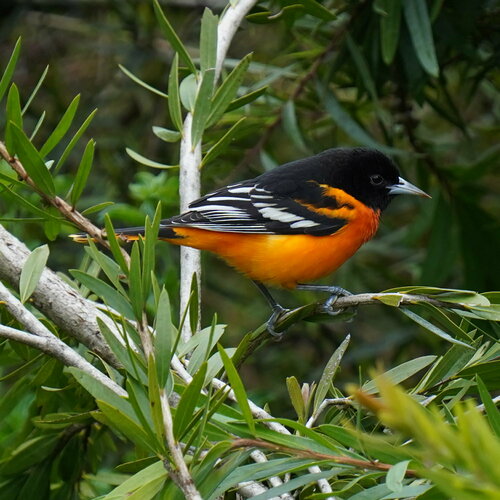 Baltimore Oriole
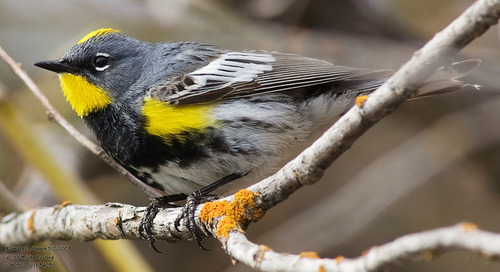 Yellow-rumped Warbler
In breve
Il segno distintivo più affidabile per separare il Baltimore Oriole dal Yellow-rumped Warbler è il colore arancione audace (o arancione-giallo) del ventre e del sottocoda dell'oriele, combinato con le prominenti barre bianche sulle ali scure, rispetto al piumaggio striato grigio o marrone del warbler con una distintiva macchia gialla sul sottocoda e una struttura più piccola e delicata. Gli oriole giovanili e femminili possono essere confusi con i warbler a causa della loro colorazione più opaca, ma anche in quel caso, le dimensioni maggiori dell'oriele, il becco spesso e appuntito e i toni complessivi arancioni o gialli lo distinguono dal warbler più piccolo e striato con la sua caratteristica macchia gialla. In volo, i Baltimore Orioles mostrano un aspetto icteride più robusto e mostrano sempre barre bianche sulle ali, mentre i Yellow-rumped Warblers sono più snelli, con un volo più fluttuante e mancano dell'esteso arancione dell'oriele. Entrambe le specie possono essere trovate in habitat sovrapposti durante la migrazione, ma le loro differenze di struttura e piumaggio rimangono chiare con buone visuali.
Consigli di identificazione
- Barre bianche sulle ali vs. macchie bianche sulle ali: I Baltimore Orioles di tutte le età mostrano due audaci barre bianche sulle ali scure, mentre i Yellow-rumped Warblers hanno macchie bianche sulle ali ma non vere barre. Questo è particolarmente utile per gli uccelli in posa o in volo.
- Macchia gialla vs. macchia arancione: I Yellow-rumped Warblers mostrano sempre una brillante macchia gialla sul sottocoda, anche nei piumaggi opachi, mentre i Baltimore Orioles hanno una macchia arancione o giallo-arancione (che corrisponde al loro ventre) ma mai una macchia gialla ben definita.
- Forma e dimensione del becco: Gli oriole hanno un becco spesso e appuntito, icteride, notevolmente più robusto rispetto al becco snello e appuntito del warbler. Questo è diagnostico a distanza ravvicinata o in foto.
- Dimensioni e struttura complessive: Gli oriole sono molto più grandi e robusti, con una coda più lunga e un corpo più robusto, mentre i warbler sono piccoli, snelli e delicati. La differenza di dimensioni è evidente quando entrambi sono visti insieme, ma nota che un oriele solitario può apparire più piccolo a distanza.
- Colore del ventre: I Baltimore Orioles maschi adulti sono di un vivace arancione sotto; le femmine e i giovanili sono di un arancione-giallo opaco. I Yellow-rumped Warblers sono sempre striati sotto (grigi o marroni con striature), mai solidi arancioni o gialli.
- Schema del dorso e della testa: Gli oriole hanno dorso semplice e scuro (maschio) o giallo-marrone (femmina/giovanile), mentre i warbler sono striati sopra e possono mostrare una macchia sulla guancia contrastante (nera nei maschi di warbler myrtle in riproduzione, marrone o grigia nelle femmine).
- Schema della coda in volo: I warbler mostrano macchie bianche sulla coda (soprattutto evidenti in volo), mentre gli oriole hanno una coda scura semplice senza macchie bianche.
- Comportamento: Gli oriole si muovono in modo più deliberato e possono essere visti nutrirsi di frutta o nettare, mentre i warbler sono irrequieti, spesso in volo per catturare insetti o unendosi a stormi misti.
- Voce: Il canto dell'oriele è una chiara serie di note fischiate, mentre quello del warbler è un trillo secco e rapido. Anche i richiami sono distintivi: il chiacchiericcio dell'oriele è più duro e più forte rispetto al morbido 'chip' del warbler.
- Contesto dell'habitat: Gli oriole sono più probabili in alberi decidui alti e presso i mangiatoie per frutta, mentre i warbler si trovano in una gamma più ampia di habitat, spesso in conifere o boschi misti, e sono più propensi a trovarsi in stormi.
- Trappole di sesso e età: Le femmine e i giovanili oriole possono apparire giallastri e opachi, ma mostrano comunque barre bianche sulle ali e un becco più grande e spesso. Le femmine e i warbler immaturi sono striati, più piccoli e mostrano sempre la macchia gialla.
- Confusione stagionale: Gli oriole sono presenti nell'Est principalmente in primavera e estate; i warbler possono essere trovati tutto l'anno in alcune aree, specialmente in inverno nel Sud.
- Aspetto in volo: Gli oriole hanno un volo forte e diretto con battiti d'ali costanti, mentre i warbler sono più fluttuanti ed erratici.
- Comportamento alimentare: Gli oriole possono essere visti sondare frutta o sorseggiare nettare; i warbler raramente fanno questo e sono più spesso visti raccogliere insetti o catturare insetti in volo.
- Stormi misti: I warbler spesso si uniscono a stormi di specie miste, specialmente al di fuori della stagione di riproduzione; gli oriole sono solitamente solitari o in coppie.
Taglia
Il Baltimore Oriole è notevolmente più grande e robusto rispetto al Yellow-rumped Warbler. Gli oriole misurano 17–22 cm di lunghezza con un'apertura alare di 23–32 cm e pesano in media circa 34 g, mentre i Yellow-rumped Warblers sono più piccoli, lunghi 12–15 cm, apertura alare 19–24 cm e pesano in media solo 12,5 g. L'oriele ha un corpo robusto, una coda lunga e un becco spesso e appuntito tipico degli icteridi, mentre il warbler è molto più delicato, con un becco snello e appuntito, una coda più corta e una costruzione più leggera. Anche gli oriole immaturi sono più grandi e robusti rispetto ai warbler adulti.
Piumaggio
Per tutte le età, i Baltimore Orioles mostrano barre bianche sulle ali scure, una caratteristica presente sia negli adulti che nei giovanili. I maschi adulti sono di un arancione vivace sotto e sul sottocoda, con testa e dorso neri, mentre le femmine e i giovanili sono giallo-marroni sopra e di un arancione-giallo opaco sotto, ma sempre con barre bianche sulle ali. I Yellow-rumped Warblers, indipendentemente dall'età o dal sesso, hanno un dorso striato grigio o marrone, macchie bianche sulle ali (non barre) e una distintiva macchia gialla sul sottocoda. I warbler maschi in riproduzione hanno ulteriore giallo sulla corona e sui fianchi, e una gola bianca o gialla a seconda della sottospecie, ma non mostrano mai i toni solidi arancioni dell'oriele. I giovanili e le femmine di warbler sono più opachi ma mantengono sempre la macchia gialla e l'aspetto striato, mancando del lavaggio arancione o giallo uniforme dell'oriele e delle barre bianche sulle ali. In volo, il ventre e il sottocoda arancioni o gialli dell'oriele sono evidenti, mentre il warbler lampeggia la sua macchia gialla e le macchie bianche sulla coda.
Comportamento
I Baltimore Orioles sono più propensi a essere visti appollaiati in alto sugli alberi, spesso soli o in coppie, e possono visitare i mangiatoie per frutta o nettare. Si muovono in modo deliberato, a volte inchinandosi o mostrando le code aperte e le ali abbassate. I Yellow-rumped Warblers sono molto più attivi e agili, spesso visti svolazzare tra il fogliame, lanciandosi per catturare insetti o foraggiando in stormi misti. Il loro volo è più fluttuante e meno diretto rispetto a quello dell'oriele. Gli oriole raramente si uniscono a stormi di specie miste, mentre i warbler spesso lo fanno, specialmente al di fuori della stagione di riproduzione.
Habitat
Entrambe le specie possono sovrapporsi nei margini boschivi, nei parchi e nelle aree suburbane, specialmente durante la migrazione. Tuttavia, i Baltimore Orioles si riproducono in boschi decidui aperti e sono attratti da alberi ombrosi alti e frutteti, mentre i Yellow-rumped Warblers sono più flessibili, riproducendosi in foreste conifere e miste e svernando in una vasta gamma di habitat, inclusi boschi aperti, aree cespugliose e persino spiagge. Durante la migrazione, i warbler sono più propensi a essere trovati in una varietà di habitat e in numeri maggiori.
Voce
I maschi di Baltimore Oriole cantano una chiara canzone fischiata con una qualità vibrante e flautata, spesso ripetuta in brevi esplosioni. Anche le femmine cantano ma sono meno musicali, e entrambi i sessi emettono richiami aspri. I Yellow-rumped Warblers hanno una canzone rapida e secca (tyew-tyew-tyew-tyew, tew-tew-tew) e frequenti richiami acuti 'check' o 'chip'. La canzone dell'oriele è più melodica e meno ronzante rispetto a quella del warbler, e i loro richiami sono più forti e aspri.
Baltimore Oriole · Yellow-rumped Warbler · I miei uccelli difficili