

Motmot

ヨーロッパミズナギドリ 対 バローロヒメミズナギドリ

Puffinus mauretanicus 対 Puffinus baroli

ヨーロッパミズナギドリとバローロヒメミズナギドリのクイズ
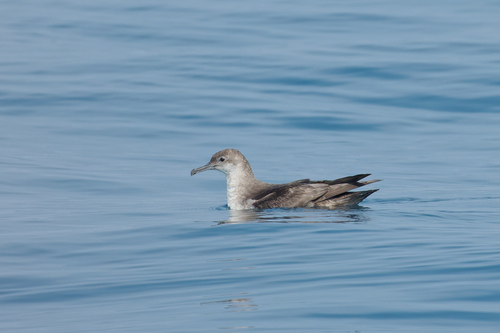
ヨーロッパミズナギドリ (Puffinus mauretanicus) ヨーロッパミズナギドリ
バローロヒメミズナギドリ (Puffinus baroli) バローロヒメミズナギドリ

メディア

読み込み中…

要点

バローロヒメミズナギドリはヨーロッパミズナギドリよりも明らかに小さく、よりコンパクトで、淡い顔、暗い目、そして飛行中に目立つ銀色の上翼パネルを持っています—特に若い個体で顕著です。ヨーロッパはより大きく、翼が長く、全体的に暗い色合いで、バローロの鮮明なコントラストと銀色の翼パネルが欠けています。両種は遠くから見ると表面的には似ているように見えますが、サイズ、翼の形、顔のパターンに注意を払うことで区別できます。年齢特有の上翼パターンは飛行中の鍵であり、止まっている鳥は顔や構造的特徴によって区別できます。

識別のコツ

  1. 上翼パネル(幼鳥/未成熟のバローロ): 飛行中の上翼に銀色のパネルを探してください—バローロの診断的な特徴であり、ヨーロッパでは決して見られません。
  2. 顔のパターン: バローロは淡い顔に鮮明な暗い目を持っています; ヨーロッパの顔はより暗く、定義が少なく、頭部や上面と混ざり合っています。
  3. 全体的なコントラスト: バローロはより鮮明にマーキングされており、明暗のコントラストがはっきりしていますが、ヨーロッパは一般的に暗く、上面と下面のコントラストが少ないです。
  4. サイズと構造: ヨーロッパはより大きく、体と翼が長い; バローロは小さく、コンパクトで、翼が短く丸い—特に直接比較や他の海鳥と一緒に見ると明らかです。
  5. 飛行中の翼の形: バローロの翼は短く、より丸みを帯びており、より速く、よりフラッターな飛行を提供します; ヨーロッパの翼は長く、狭く、硬く保持され、翼拍数が少ないです。
  6. 下面の色合い: ヨーロッパはしばしば汚れた白色の下面を持ち、汚れたまたは茶色がかって見えることがありますが、バローロの下面はより清潔で白く、暗い上面とのコントラストを強調しています。
  7. 青い足(バローロ): バローロは青い足を持ち、着陸または離陸時にちらりと見えることがありますが、これはフィールドではめったに見られません。
  8. 生息地と範囲: 地中海で見られた場合、ヨーロッパがはるかに可能性が高い; マカロネシアまたは隣接する大西洋の水域では、バローロが期待されます。範囲外の記録は注意深く検討する必要があります。
  9. 止まっている視点: 陸上または近くからの視点では、バローロの淡い顔と小さなサイズが明確です; ヨーロッパはより大きく、暗く見えます。
  10. 混合群れ: マンクスや他のPuffinusと一緒に見られた場合、直接比較してください—バローロは最も小さく、最もコントラストのある顔と翼パネルを持ち、ヨーロッパはより大きく、より均一に茶色です。
  11. 年齢特有のマーク: 銀色の上翼パネルは幼鳥と未成熟のバローロで最も明らかです; 成鳥はそれをあまり明確に示さないかもしれませんが、それでもヨーロッパよりは多く見られます。
  12. 飛行の特徴: バローロの飛行はより敏捷でフラッターし、ヨーロッパはより安定しており、より滑空します。
  13. 落とし穴: 遠くからの視点や光が悪いと、ヨーロッパがより淡く見えたり、バローロがより暗く見えたりすることがあります; 可能な限り銀色の翼パネルと顔のパターンを探してください。
  14. 羽毛の重複: 両種は表面的にはマンクスやチチュウカイミズナギドリに似て見えることがありますが、サイズ、顔、翼パネルの組み合わせはこれらの2種の中でバローロに特有です。
  15. 信頼できる音声フィールドマークはなし: 海で呼び声はめったに聞かれず、これらの2種を区別するためのフィールドでは診断的ではありません。

大きさ

ヨーロッパミズナギドリは中型のミズナギドリ(全長34–39 cm、翼幅78–90 cm)[wikipedia]で、バローロヒメミズナギドリよりも明らかに大きく、翼が長いです。バローロの短く丸い翼と小さな体は、特に一緒に見たり、他のPuffinus種と比較したりすると明らかです。

羽色

幼鳥と未成熟のバローロヒメミズナギドリは、飛行中に見える特徴的な銀色の上翼パネルを示し、上面の他の部分とコントラストを成します。このマークはすべての年齢のヨーロッパミズナギドリには存在せず、代わりに全体的にコントラストが少なく、暗い茶色の上面と汚れた白色の下面を示します。バローロはまた、暗いコントラストのある目を持つ淡い顔を持っていますが、ヨーロッパの顔はより暗く、上面の他の部分とより混ざり合っています。すべての羽毛において、ヨーロッパは上面と下面でより均一に茶色に見え、バローロの鮮明なコントラストと銀色のハイライトが欠けています。

行動

両種はPuffinusの典型的な「シアリング」飛行スタイルを示しますが、ヨーロッパミズナギドリはより長く、硬い翼で飛び、しばしばより緩慢に見え、翼拍数が少なく、水面を低く飛ぶ傾向があります。バローロは小さく、短く丸い翼を持ち、よりフラッターで敏捷に見え、翼拍数が速いです。バローロは着陸または離陸時に青い足を示す可能性が高いですが、これは海ではめったに見られません。

生息環境

ヨーロッパミズナギドリは地中海の種ですが、バローロヒメミズナギドリは北大西洋のマカロネシアのアゾレスとカナリアで繁殖します [wikipedia]。海での重複はまれですが、東大西洋では可能です。場所の文脈は強い手がかりになることがあります: ヨーロッパは地中海から遠く離れている可能性は低く、バローロはマカロネシアの水域に結びついています。

より良い説明を送る

比較と同じ項目を使ってください。文章はすぐに公開されます。

Barolo Shearwater is distinctly smaller and more compact than Balearic Shearwater, with a pale face, dark eye, and a silvery upperwing panel that stands out in flight—especially on younger birds. Balearic is larger, longer-winged, and overall duskier, lacking Barolo’s crisp contrasts and silvery wing panel. Both species can look superficially similar at a distance, but careful attention to size, wing shape, and face pattern will separate them. Age-specific upperwing patterns are key in flight, while perched birds can be separated by facial and structural features.

  1. Upperwing panel (juvenile/immature Barolo): Look for a silvery panel on the upperwing in flight—diagnostic for Barolo and never shown by Balearic.
  2. Face pattern: Barolo has a pale face with a sharply contrasting dark eye; Balearic’s face is duskier and less defined, blending into the crown and upperparts.
  3. Overall contrast: Barolo is more crisply marked, with clear dark-and-light contrasts, while Balearic is generally duskier, with less contrast between upperparts and underparts.
  4. Size and structure: Balearic is larger, with a longer body and wings; Barolo is small, compact, with shorter, rounder wings—especially obvious in direct comparison or with other seabirds for scale.
  5. Wing shape in flight: Barolo’s wings are shorter and more rounded, giving a quicker, more fluttery flight; Balearic’s wings are longer, narrower, and held stiffly, with fewer wingbeats.
  6. Underpart coloration: Balearic has dirty white underparts that often look sullied or brownish, while Barolo’s underparts are cleaner and whiter, accentuating the contrast with the darker upperparts.
  7. Blue feet (Barolo): Barolo has blue feet, which may be glimpsed when landing or taking off, but this is rarely visible in the field.
  8. Habitat and range: If seen in the Mediterranean, Balearic is far more likely; in Macaronesian or adjacent Atlantic waters, Barolo is expected. Out-of-range records should be scrutinized carefully.
  9. Perched views: On land or close views, Barolo’s pale face and smaller size are clear; Balearic appears bulkier and duskier.
  10. Mixed flocks: If seen with Manx or other Puffinus, compare directly—Barolo will be the smallest, with the most contrasting face and wing panel; Balearic will be larger and more uniformly brown.
  11. Age-specific marks: The silvery upperwing panel is most obvious in juvenile and immature Barolo; adults may show it less distinctly but still more than Balearic.
  12. Flight jizz: Barolo’s flight is more agile and fluttery, while Balearic is steadier and more gliding.
  13. Pitfalls: Distant or poor-light views can make Balearic look paler or Barolo duskier; always look for the silvery wing panel and face pattern when possible.
  14. Plumage overlap: Both can look superficially similar to Manx or Yelkouan Shearwater, but the combination of size, face, and wing panel is unique to Barolo among these two.
  15. No reliable vocal field marks: Calls are rarely heard at sea and not diagnostic in the field for separation of these two.

Balearic Shearwater is a medium-sized shearwater (34–39 cm length, 78–90 cm wingspan) [wikipedia], noticeably larger and longer-winged than Barolo Shearwater, which is a small, compact species [wikipedia]. Barolo’s shorter, rounder wings and smaller body are apparent in direct comparison, especially when seen together or with other Puffinus species for scale.

Juvenile and immature Barolo Shearwaters show a distinctive silvery panel on the upperwing, which is visible in flight and contrasts with the rest of the upperparts. This mark is absent in Balearic Shearwater of all ages, which instead shows less contrast overall, with dark brown upperparts and dirty white underparts. Barolo also has a pale face with a dark, contrasting eye, while Balearic’s face is duskier and blends more with the rest of the upperparts. In all plumages, Balearic appears more uniformly brown above and below, lacking the crisp contrasts and silvery highlights of Barolo.

Both species exhibit the typical 'shearing' flight style of Puffinus, but Balearic Shearwater flies with longer, stiffer wings and often appears more languid, with fewer wingbeats and a tendency to fly low over the water. Barolo, being smaller and with shorter, rounder wings, appears more fluttery and agile, with quicker wingbeats. Barolo is more likely to show blue feet when landing or taking off, though this is rarely visible at sea.

Balearic Shearwater is a Mediterranean species, while Barolo Shearwater breeds in the Azores and Canaries of Macaronesia in the North Atlantic [wikipedia]. Overlap at sea is rare, but possible in the eastern Atlantic. Context of location can be a strong clue: Balearic is unlikely far from the Mediterranean, while Barolo is tied to Macaronesian waters.

変更を破棄しますか?

保存していない編集があります。今離れると失われます。

ヨーロッパミズナギドリ · バローロヒメミズナギドリ · 苦手な鳥