

Motmot

オークランドウ 対 ノドオビムナジロウ

Leucocarbo colensoi 対 Leucocarbo campbelli

オークランドウとノドオビムナジロウのクイズ
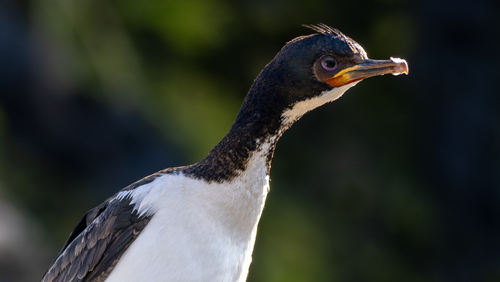
オークランドウ (Leucocarbo colensoi) オークランドウ
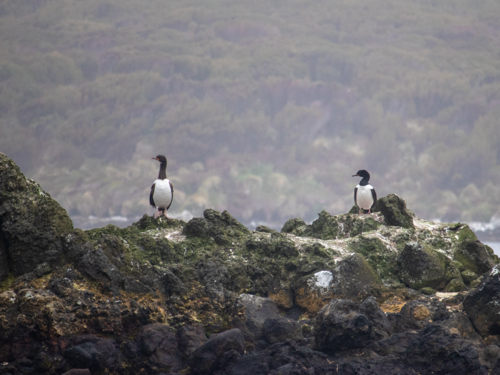
ノドオビムナジロウ (Leucocarbo campbelli) ノドオビムナジロウ

メディア

読み込み中…

要点

オークランドウとノドオビムナジロウを分ける最も信頼できる方法は、場所によるものです:オークランドウはオークランド諸島に厳密に限定されており、ノドオビムナジロウはキャンベル島とその近くの小島にのみ見られます。現地では、両者は目を引く黒と白のコウモリですが、ノドオビムナジロウの成鳥は白いあご、腹部、翼の斑点を示し、さらにピンクの足と独特の繁殖時の冠と顔の色合いを持っています。幼鳥と非繁殖のノドオビムナジロウは成鳥よりも茶色がかり、鈍い色合いですが、いずれの種についても年齢特有の飛行マークは記載されていません。構造的な違いは微妙ですが、ノドオビムナジロウはやや大きく、貝類を採餌するために適した独特の頭の形とくちばしを持っています。正しい島にいない場合、その種を見ることはできません。

識別のコツ

  1. Location is decisive: オークランドウはオークランド諸島にのみ生息し、ノドオビムナジロウはキャンベル島とその近くの小島にのみ生息しています。正しい島にいない場合、他の種を見ることはできません。これは最も信頼できるフィールドマークです。
  2. Adult plumage—ノドオビムナジロウ: 黒い背景に白いあご、腹部、目立つ白い翼の斑点を探してください。黒い部分には金属的な緑がかった青い光沢があります。これは繁殖期の成鳥で最も明らかです。
  3. Breeding season features (ノドオビムナジロウ): 繁殖期には、成鳥は頭の冠、くちばしの上に黄色い線、カラフルな顔の皮膚と喉の袋(紫からオレンジ)を発達させます。これらのマークは非繁殖の鳥には欠如しているか、はるかに鈍いものであり、オークランドウには記載されていません。
  4. Feet color (ノドオビムナジロウ): ピンクの足はノドオビムナジロウの有用なフィールドマークであり、特に止まっている時や羽繕いをしている時に目立ちます。
  5. Bill and head shape: ノドオビムナジロウは独特のループ状の頭のプロファイルと長く、わずかにフック状のくちばしを持ち、貝類を採餌するために適応しています。オークランドウのくちばしと頭はそれほど特徴的ではありませんが、この違いは現地では微妙かもしれません。
  6. Juvenile and non-breeding birds: 幼鳥と非繁殖のノドオビムナジロウは全体的に茶色がかり、裸の部分は鈍い色合いです。オークランドウには特定の幼鳥や未成熟の羽毛や翼のパターンが記載されていないため、この年齢での分離は場所なしでは難しいです。
  7. Flocking and foraging behavior: ノドオビムナジロウはしばしば大きな協調した群れで採餌し、頭を体の下にして低く飛び、一緒に潜水します。オークランドウはより定住的であり、そのような群れを形成することは記載されていません。
  8. Plumage pitfalls: 両種は黒と白のコウモリであり、遠くから見ると似ているか、光が悪いときに似て見えることがあります。羽毛のマークが不明瞭な場合は、場所と群れの行動に頼ってください。
  9. Size: ノドオビムナジロウはやや大きく、重いですが、これは鳥が並んでいない限り信頼できるフィールドマークではありません。
  10. Habitat context: 両種は岩の多い海岸と開けた海を利用しますが、それぞれの島にのみ生息しています。生息地だけでは診断できませんので、島を知っている必要があります。
  11. No known vocal differences: これらの2種の間には声や鳴き声の違いは公表されていません。
  12. Seasonal effects: 繁殖の特徴(冠、顔の色)は、ノドオビムナジロウの繁殖期(11月から2月)にのみ存在します。この期間外では、成鳥と未成熟のものは羽毛による分離が難しくなることがあります。
  13. No flight pattern differences described: これらの種の間には幼鳥や未成熟の翼のパターンや飛行シルエットの違いは公表されていません。他のマークや場所を使用してください。
  14. Check for pink feet and white chin (ノドオビムナジロウ): これらは鳥が止まっている時や羽繕いをしている時に目立ち、オークランドウには記載されていません。
  15. If in doubt, check the island: すべてが失敗した場合、あなたの場所が最良の手がかりです—これらの種は重複しません。

大きさ

ノドオビムナジロウは中型のコウモリで、長さ約63 cm、翼幅105 cm、体重は1.6〜2 kgです [wikipedia]。オークランドウの直接的な測定値は示されていませんが、両者は同じ属に属し、サイズは似ている可能性が高く、ノドオビムナジロウはややがっしりしているかもしれません。実際には、サイズだけでは直接比較なしには信頼できる分離はできません。

羽色

成鳥のノドオビムナジロウは、その黒と白の羽毛で特徴的です:白いあご、腹部、翼の斑点が黒い頭、喉、首と対照的です。黒い羽毛には金属的な緑がかった青い光沢があり、繁殖期には成鳥は頭の冠、くちばしの上に黄色い線、カラフルな顔の皮膚(紫からオレンジ)を持っています。幼鳥と非繁殖の鳥は全体的に茶色がかり、裸の部分は鈍い色合いです。オークランドウも黒と白ですが、飛行中や遠くからの分離を可能にする独自の羽毛の特徴や年齢特有の翼のパターンの詳細な公表はありません。いずれの種についても診断的な幼鳥や未成熟の上翼のマークは記載されていないため、フィールドでの分離は成鳥の羽毛と文脈に依存します。

行動

ノドオビムナジロウはその群れでの採餌行動で知られており、しばしば30〜100羽のグループで見られ、頭を体の下にして低く飛び、協調した潜水動作を行います。彼らはかなりの時間を水中で過ごし、散発的に浮上します。オークランドウはより定住的であり、そのような大きな協調した採餌の群れについては言及されていません。両種は沿岸性および海洋性ですが、ノドオビムナジロウの群れと採餌のスタイルは微妙な行動の手がかりかもしれません。

生息環境

オークランドウはオークランド諸島の固有種であり、他の場所では見られません。ノドオビムナジロウはキャンベル島とその近くの沿岸の小島に制限されています。両種は厳密に島の固有種であり、分布が重複することはありません。彼らの生息地は似ており、岩の多い海岸と開けた海ですが、島々は数百キロメートル離れています。場所を知っていれば、鳥を知っていることになります。

より良い説明を送る

比較と同じ項目を使ってください。文章はすぐに公開されます。

The most reliable way to separate Auckland Islands Shag from Campbell Islands Shag is by location: Auckland Islands Shag is strictly limited to the Auckland Islands, while Campbell Islands Shag is found only on Campbell Island and nearby islets. In the field, both are striking black-and-white cormorants, but Campbell Islands Shag adults show a white chin, underparts, and wing patches, plus pink feet and a distinctive breeding crest and facial coloration. Juveniles and non-breeding Campbell Islands Shags are browner and duller than adults, but detailed age-specific flight marks are not described for either species. Structural differences are subtle, but Campbell Islands Shag is slightly larger and has a unique head shape and bill suited for shellfish foraging. If you’re not on the correct island, you’re not seeing the species in question.

  1. Location is decisive: Auckland Islands Shag only occurs on the Auckland Islands; Campbell Islands Shag is only on Campbell Island and nearby islets. If you are not on the right island, you are not seeing the other species. This is the single most reliable field mark.
  2. Adult plumage—Campbell Islands Shag: Look for a white chin, underparts, and prominent white wing patches on a black background. The black areas have a metallic greenish-blue sheen. This is most obvious in breeding adults.
  3. Breeding season features (Campbell Islands Shag): In the breeding season, adults develop a head crest, a yellow line above the bill, and colorful facial skin and throat pouch (purple to orange). These marks are absent or much duller in non-breeding birds and not described for Auckland Islands Shag.
  4. Feet color (Campbell Islands Shag): Pink feet are a useful field mark in Campbell Islands Shag, especially when perched or preening.
  5. Bill and head shape: Campbell Islands Shag has a unique, looped head profile and a long, slightly hooked bill, adapted for shellfish foraging. Auckland Islands Shag’s bill and head are less distinctive, but this difference may be subtle in the field.
  6. Juvenile and non-breeding birds: Juvenile and non-breeding Campbell Islands Shags are browner overall with duller bare parts. No specific juvenile or immature plumage or wing pattern is described for Auckland Islands Shag, so separation at this age is difficult without location.
  7. Flocking and foraging behavior: Campbell Islands Shag often forages in large, coordinated flocks, flying low with heads below their bodies and diving together. Auckland Islands Shag is more sedentary and is not noted for such flocking.
  8. Plumage pitfalls: Both species are black-and-white cormorants and can appear similar at a distance or in poor light. When plumage marks are unclear, rely on location and flocking behavior.
  9. Size: Campbell Islands Shag is slightly larger and heavier, but this is not a reliable field mark unless birds are side by side.
  10. Habitat context: Both species use rocky coasts and open seas, but only on their respective islands. Habitat alone is not diagnostic unless you know your island.
  11. No known vocal differences: There are no published differences in voice or calls between these two species.
  12. Seasonal effects: Breeding features (crest, facial color) are only present in Campbell Islands Shag during the breeding season (November–February). Outside this period, adults and immatures may be harder to separate by plumage.
  13. No flight pattern differences described: There are no published differences in juvenile or immature wing pattern or flight silhouette between these species. Use other marks or location.
  14. Check for pink feet and white chin (Campbell Islands Shag): These are visible when birds are perched or preening and are not described for Auckland Islands Shag.
  15. If in doubt, check the island: When all else fails, your location is the best clue—these species do not overlap.

Campbell Islands Shag is a medium-sized cormorant, about 63 cm in length with a 105 cm wingspan and weighing 1.6–2 kg [wikipedia]. No direct measurements are given for Auckland Islands Shag, but both belong to the same genus and are likely similar in size, with Campbell Islands Shag possibly being a bit bulkier. In practice, size alone is not a reliable separator without direct comparison.

Adult Campbell Islands Shag is distinctive with its black-and-white plumage: white chin, underparts, and wing patches, contrasted with a black head, throat, and neck. The black feathers have a metallic greenish-blue sheen, and in breeding season, adults sport a head crest, a yellow line above the bill, and colorful facial skin (purple to orange). Juveniles and non-breeding birds are browner overall, with duller bare parts. Auckland Islands Shag is also black-and-white but lacks detailed published descriptions of unique plumage features or age-specific wing patterns that would allow separation in flight or at a distance. No diagnostic juvenile or immature upperwing marks are described for either species, so field separation relies on adult plumage and context.

Campbell Islands Shag is noted for its flock foraging behavior, often seen in groups of 30–100, flying low with heads below their bodies, and performing coordinated diving maneuvers. They spend considerable time underwater and surface scattered. Auckland Islands Shag is described as more sedentary, with no mention of such large, coordinated foraging flocks. Both species are coastal and marine, but Campbell Islands Shag’s flocking and foraging style may be a subtle behavioral clue.

Auckland Islands Shag is endemic to the Auckland Islands archipelago and is not found elsewhere. Campbell Islands Shag is restricted to Campbell Island and its immediate coastal islets. Both species are strictly island endemics and do not overlap in range. Their habitats are similar—rocky coasts and open seas—but the islands are separated by hundreds of kilometers. If you know your location, you know your bird.

変更を破棄しますか?

保存していない編集があります。今離れると失われます。

オークランドウ · ノドオビムナジロウ · 苦手な鳥