

Motmot

ニシツノメドリ 対 ヒメウミスズメ

Fratercula arctica 対 Alle alle

ニシツノメドリとヒメウミスズメのクイズ
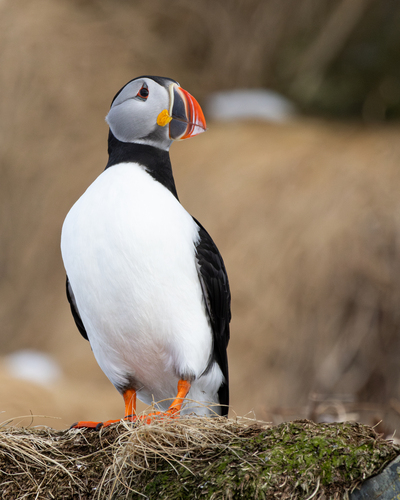
ニシツノメドリ (Fratercula arctica) ニシツノメドリ
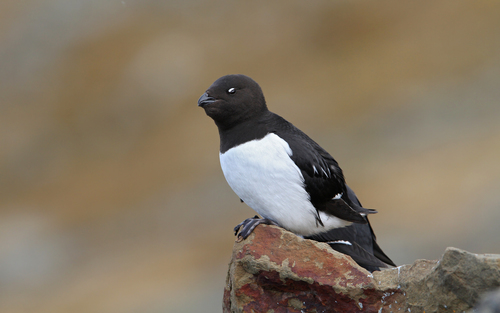
ヒメウミスズメ (Alle alle) ヒメウミスズメ

メディア

読み込み中…

要点

ニシツノメドリとヒメウミスズメを区別する最も信頼できるフィールドマークはサイズです:ヒメウミスズメはニシツノメドリの約半分の長さで、質量も半分未満であり、距離があっても明らかに小さく見えます。飛行中、ヒメウミスズメはコンパクトで、スターリングサイズの形を示し、急速な翼の拍動を持っていますが、ニシツノメドリははるかに大きく、頭が大きく、くちばしも重いです。くちばしの形も重要です:ニシツノメドリは大きく、深く、三角形のくちばしを持ち(繁殖期の成鳥では鮮やかな色)、一方、ヒメウミスズメのくちばしは非常に短くて太いです。両種は黒と白のウミスズメですが、ヒメウミスズメはニシツノメドリのカラフルなくちばしと顔の模様を欠いており、繁殖羽毛では頭により広範囲の黒が見られます。混乱は主に未成熟な個体や遠くの飛行中の鳥で起こりますが、サイズとくちばしの構造は信頼できます。

識別のコツ

  1. Size is the most immediate clue: ヒメウミスズメはニシツノメドリの約半分の長さで、質量も半分未満です。もしその鳥がスターリングサイズか、ハトより小さく見えるなら、それはヒメウミスズメです;もしハトサイズかそれ以上なら、それはニシツノメドリです。これはすべての年齢と季節に当てはまります。
  2. Bill shape and size: ニシツノメドリは大きく、深く、三角形のくちばしを持ち(繁殖期の成鳥では鮮やかな色、冬や未成熟では鈍い色)、一方、ヒメウミスズメは非常に短くて太い、全体が黒いくちばしを持っています。距離があっても、ニシツノメドリのくちばしは巨大で特徴的に見え、ヒメウミスズメのくちばしはほとんど存在しないように見えることがあります。
  3. Facial pattern: ニシツノメドリは繁殖期の成鳥では淡い顔に暗い目の斑点と大きくカラフルなくちばしを示します;ヒメウミスズメは繁殖羽毛ではより均一に暗い顔を持ち、淡い頬や目の斑点はありません。冬には、ヒメウミスズメの下顔と前の首が白くなりますが、くちばしは小さくて黒いままです。
  4. Flight jizz: ヒメウミスズメは急速で、ウィリングな翼の拍動で飛び、コンパクトに見え、ほぼスターリングや小さなツグミのようです。ニシツノメドリの飛行は重く、遅く、深い翼の拍動を持ち、より大きく、機敏さが少ないように見えます。
  5. White trailing edge to secondaries (ヒメウミスズメ): 飛行中、ヒメウミスズメは二次羽に白い後縁を示し、翼に狭い白い線として見えます。ニシツノメドリはこの特徴を欠いています。これは飛行中の成鳥と未成熟な個体にとって重要なマークです。
  6. Bill color (breeding season): ニシツノメドリのくちばしは繁殖期の成鳥では明るいオレンジ赤で、黄色と青の基部を持ちます;ヒメウミスズメのくちばしは常に黒です。非繁殖期のニシツノメドリでは、くちばしは鈍いですが、依然として大きくて深いです。
  7. Body shape: ニシツノメドリは大きな頭と太い首を持つずんぐりした体型です;ヒメウミスズメはコンパクトで、短い首を持ち、より丸みを帯びた体をしています。
  8. Tail shape: 両者は短い尾を持っていますが、ヒメウミスズメの尾は小さくて丸いと表現され、ニシツノメドリの尾はあまり特徴的ではありません。
  9. Plumage above and below: 両者は上が黒で下が白ですが、ニシツノメドリの淡い顔とカラフルなくちばしはユニークです。ヒメウミスズメは上がより均一に黒く、繁殖羽毛では白い腹を持ち、淡い顔はありません。
  10. Habitat at breeding sites: ニシツノメドリは草の生えた崖の頂上や岩の間の穴に巣を作り、しばしば巣穴の入り口で直立しているのが見られます。ヒメウミスズメは高い北極で繁殖し、岩や崩れた石の間に巣を作り、しばしば巨大なコロニーを形成します。
  11. Flock size: ヒメウミスズメは海でしばしば大きな群れを形成し、特に冬や渡りの時期に見られます。ニシツノメドリはより単独または小さなグループで見られることが多いです。
  12. Context in winter: 嵐の後、ヒメウミスズメは通常の範囲のはるか南に現れることがあり、時には大量に(「難破」)見られます。ニシツノメドリは繁殖地から離れた場所でそのような数で現れる可能性は低いです。
  13. Vocalizations: 繁殖コロニーでのみ役立ちます;ヒメウミスズメはツイッター音やカッカッという鳴き声を出し、ニシツノメドリの鳴き声はここでは説明されていません。
  14. Pitfalls: 遠くからの視界や逆光の視界はくちばしの色や顔の模様を隠す可能性があります;サイズとくちばしの形に頼ってください。未成熟なニシツノメドリは鈍いくちばしを持っていますが、依然としてヒメウミスズメよりもはるかに大きいです。
  15. When in doubt: もしその鳥が小さく、短くて太いくちばしと急速でウィリングな飛行をしているように見えるなら、それはほぼ確実にヒメウミスズメです。もしそれが大きくてずんぐりした体型で、巨大なくちばしと直立した姿勢をしているなら、それはニシツノメドリです。

大きさ

ニシツノメドリはかなり大きいです:その体重は約376g([wikidata])ですが、ヒメウミスズメはわずか130〜200g([wikipedia])です。ニシツノメドリは約2倍の長さ(ヒメウミスズメは「半分のサイズ」と記載されています)で、翼幅もはるかに大きいです。フィールドでは、ニシツノメドリはずんぐりしていてハトサイズに見えますが、ヒメウミスズメはスターリングや小さなツグミに近いです。この違いは両者が一緒に見られると明らかですが、単独でもヒメウミスズメの小さくてコンパクトな姿勢は、ニシツノメドリの頑丈で重い外観と比較して特徴的です。

羽色

未熟な羽毛や幼鳥の羽毛は、提供されたメモでは詳細に説明されていませんが、繁殖羽毛の成鳥は明確に異なります。繁殖羽毛のヒメウミスズメは上が黒(頭、首、背中、翼)で、下は白、二次羽の後縁は白く、肩羽には白い縁があります。冬には、下顔と前の首が白くなります。対照的に、ニシツノメドリは黒い背中と白い下部を持ちますが、顔は淡く、繁殖期の成鳥では目を引く大きく多色のくちばしを持ち、黒い襟があります。ニシツノメドリのくちばしははるかに大きく、三角形で、顔は淡くて暗い目の斑点がありますが、ヒメウミスズメは小さくて全体が黒いくちばしを持ち、繁殖羽毛ではより均一に暗い顔をしています。飛行中、ヒメウミスズメは二次羽の白い後縁を示し、これは役立つマークになることがありますが、ニシツノメドリはこの特徴を欠いています。両種は上が黒で下が白ですが、顔の模様とくちばしが重要です。

行動

ヒメウミスズメは非常に急速でウィリングな翼の拍動で飛び、速くて機敏に見え、しばしば大きな群れで見られます。ニシツノメドリの飛行はより労力がかかり、直接的で、翼の拍動は遅く、深く、空中でより重く見えます。陸上では、ニシツノメドリはしばしば巣穴の入り口近くで直立しているのが見られますが、ヒメウミスズメは繁殖コロニー以外では陸上で見られることは少ないです。ニシツノメドリは陸上ではより孤立しているか、ペアで見られますが、ヒメウミスズメは巨大で密集したコロニーで見られることがあります。海では、ヒメウミスズメは群れで見られる可能性が高く、ニシツノメドリは単独または小さなグループで見られます。

生息環境

両種は北大西洋の島や沿岸の崖で繁殖しますが、ヒメウミスズメは高い北極で巣を作り、しばしば崩れた石の斜面や岩の間に巨大なコロニーを形成します。ニシツノメドリはさらに南で繁殖し、草の生えた崖の頂上や岩の間で巣を作り、しばしば巣穴に見られます。冬には、ヒメウミスズメは北の方で見られ、氷の端や海岸線の近くで見られる可能性が高く、時には沖合で見られることもあります。ニシツノメドリは北大西洋でより広範囲に分布し、より南のコロニーも含まれています。ヒメウミスズメは冬に特に嵐の後に海岸近くで大きな群れで見られることがありますが、ニシツノメドリは海ではより孤立しています。

声

ヒメウミスズメは繁殖コロニーでさまざまなツイッター音やカッカッという鳴き声を出しますが、海では静かです。ニシツノメドリの鳴き声は提供されたメモでは説明されていません。フィールドでは、鳴き声は繁殖コロニーでない限り、区別に役立つ可能性は低いです。

より良い説明を送る

比較と同じ項目を使ってください。文章はすぐに公開されます。

The most reliable field mark separating Atlantic Puffin from Little Auk is size: Little Auk is about half the length and less than half the mass of Atlantic Puffin, appearing noticeably smaller even at a distance. In flight, Little Auk shows a compact, starling-sized shape with rapid wingbeats, while Atlantic Puffin is much bulkier with a larger head and heavier bill. Bill shape is also key: Atlantic Puffin has a large, deep, triangular bill (brightly colored in breeding adults), whereas Little Auk's bill is very short and stubby. Both species are black-and-white auks, but Little Auk lacks the colorful bill and facial pattern of Puffin and shows more extensive black on the head in breeding plumage. Confusion is most likely with immatures or distant birds in flight, but size and bill structure remain reliable.

  1. Size is the most immediate clue: Little Auk is about half the length and less than half the mass of Atlantic Puffin. If the bird looks starling-sized or smaller than a pigeon, it is a Little Auk; if it is pigeon-sized or larger, it is a Puffin. This applies to all ages and seasons.
  2. Bill shape and size: Atlantic Puffin has a large, deep, triangular bill (brightly colored in breeding adults, duller in winter/immature), while Little Auk has a very short, stubby, all-black bill. Even at a distance, Puffin's bill looks massive and distinctive; Little Auk's bill can appear almost absent.
  3. Facial pattern: Puffin shows a pale face with a dark eye mark and a large, colorful bill in breeding adults; Little Auk has a more uniformly dark face in breeding plumage, with no pale cheek or eye mark. In winter, Little Auk's lower face and fore neck become white, but the bill remains tiny and black.
  4. Flight jizz: Little Auk flies with rapid, whirring wingbeats and appears compact, almost like a starling or small thrush. Puffin's flight is heavier, with slower, deeper wingbeats, and it looks bulkier and less agile.
  5. White trailing edge to secondaries (Little Auk): In flight, Little Auk shows a white trailing edge to the secondaries, visible as a narrow white line on the wing. Puffin lacks this feature. This is a key mark for adults and immatures in flight.
  6. Bill color (breeding season): Puffin's bill is bright orange-red with a yellow and blue base in breeding adults; Little Auk's bill is always black. In non-breeding Puffins, the bill is duller but still large and deep.
  7. Body shape: Puffin is chunky and deep-chested with a large head and thick neck; Little Auk is compact, short-necked, and has a more rounded body.
  8. Tail shape: Both have short tails, but Little Auk's is described as small and rounded, while Puffin's is less distinctive.
  9. Plumage above and below: Both are black above and white below, but Puffin's pale face and colorful bill are unique. Little Auk is more uniformly black above, with a white belly and no pale face in breeding plumage.
  10. Habitat at breeding sites: Puffin breeds in burrows on grassy clifftops or among rocks, often seen standing upright at burrow entrances. Little Auk breeds in the high Arctic, nesting among rocks or scree, often in huge colonies.
  11. Flock size: Little Auk often forms large flocks at sea, especially in winter or during migration. Puffin is more often seen singly or in small groups.
  12. Context in winter: After storms, Little Auk may appear far south of its normal range, sometimes in large numbers ('wrecks'). Puffin is less likely to appear in such numbers away from breeding sites.
  13. Vocalizations: Only helpful at breeding colonies; Little Auk gives twittering and cackling calls, Puffin's calls are not described here.
  14. Pitfalls: Distant or backlit views can obscure bill color and face pattern; rely on size and bill shape. Immature Puffins have duller bills but are still much larger than Little Auk.
  15. When in doubt: If the bird looks tiny, with a short, stubby bill and rapid, whirring flight, it is almost certainly a Little Auk. If it looks large, chunky, with a massive bill and upright stance, it is a Puffin.

Atlantic Puffin is substantially larger: it weighs about 376 g ([wikidata]), while Little Auk weighs only 130–200 g ([wikipedia]). Puffin is roughly twice as long (noted as 'half the size' for Little Auk), and has a much greater wingspan. In the field, Puffin appears chunky and pigeon-sized, whereas Little Auk is closer to a starling or small thrush. This difference is obvious when both are seen together, but even singly, Little Auk's small, compact jizz is distinctive compared to the robust, heavy look of Puffin.

Juvenile and immature plumages are not described in detail for either species in the provided notes, but adults in breeding plumage are distinct. Little Auk in breeding plumage is black above (head, neck, back, wings) with white underparts, a white trailing edge to the secondaries, and white fringes on the scapulars. In winter, the lower face and fore neck turn white. Atlantic Puffin, in contrast, has a black back and white underparts as well, but the face is pale with a striking large, multicolored bill in adults during breeding, and a black collar. Puffin's bill is much larger and more triangular, and the face is pale with a dark eye mark, while Little Auk has a small, all-black bill and a more uniformly dark face in breeding plumage. In flight, Little Auk shows a white trailing edge to the secondaries, which can be a helpful mark, while Puffin lacks this feature. Both species have black upperparts and white underparts, but the facial pattern and bill are key.

Little Auk flies with very rapid, whirring wingbeats, appearing fast and agile, often in large flocks. Puffin's flight is more labored and direct, with slower, deeper wingbeats, and it appears heavier in the air. On land, Puffin is often seen standing upright near burrow entrances, while Little Auk is less often seen on land except at breeding colonies. Puffins are more solitary or in pairs when on land, while Little Auks can be seen in huge, dense colonies. At sea, Little Auk is more likely to be seen in flocks, Puffin singly or in small groups.

Both species breed on islands and coastal cliffs in the North Atlantic, but Little Auk nests in the high Arctic, often on scree slopes or among rocks, in huge colonies. Atlantic Puffin breeds further south as well, on grassy clifftops or among rocks, often in burrows. In winter, Little Auk is found further north and is more likely to be seen near ice edges or coastlines, sometimes far offshore. Puffin is more widespread in the North Atlantic, including more southerly colonies. Little Auk may be seen in large flocks near shore in winter, especially after storms, while Puffin is more solitary at sea.

Little Auk produces a variety of twitters and cackling calls at breeding colonies but is silent at sea. Puffin vocalizations are not described in the provided notes. In the field, vocalizations are unlikely to be helpful for separation unless at a breeding colony.

変更を破棄しますか?

保存していない編集があります。今離れると失われます。

ニシツノメドリ · ヒメウミスズメ · 苦手な鳥