

Motmot

オニカッコウ 対 インドシナジュウイチ

Eudynamys scolopaceus 対 Hierococcyx nisicolor

オニカッコウとインドシナジュウイチのクイズ
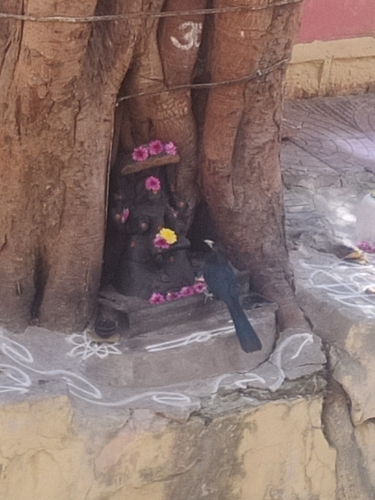
オニカッコウ (Eudynamys scolopaceus) オニカッコウ
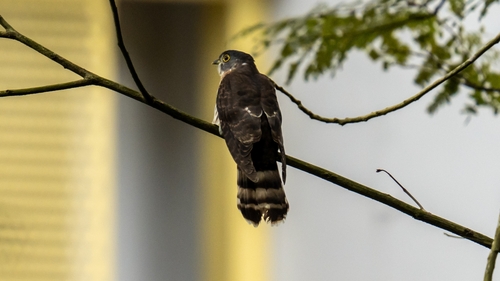
インドシナジュウイチ (Hierococcyx nisicolor) インドシナジュウイチ

メディア

読み込み中…

要点

オニカッコウとインドシナジュウイチを区別するための最も信頼できるフィールドマークは、全体のサイズと構造です:オニカッコウははるかに大きく、重く、尾が長い鳥で、オスは光沢のある青黒い羽毛を示し、メスは重く斑点と縞模様があります。一方、インドシナジュウイチは小さく、スリムで、タカのようで、光沢のある光沢がなく、より控えめで縞模様の外観を持っています。両種の幼鳥や未成熟の鳥は混乱を招くことがありますが、オニカッコウの幼鳥は成鳥のオス(暗い、黒いくちばし)に似る傾向がありますが、インドシナジュウイチは常に小さく、オニカッコウの強い尾とくちばしを欠いています。飛行中または止まっているときは、サイズ、尾の長さ、全体の印象に焦点を当ててください:オニカッコウはカラスサイズで緩慢ですが、インドシナジュウイチはツグミや小型の猛禽類に非常に近いです。鳴き声も非常に異なり、オニカッコウのオスは繰り返し響く「クー・ウー」を出し、メスは鋭い「キキキキ」を出しますが、インドシナジュウイチはホイッスルのような鳴き声で知られています。生息地の重複はありますが、オニカッコウはオープンな森林や庭でより頻繁に見られ、インドシナジュウイチはより密な森林を好みます。

識別のコツ

  1. サイズは最も即座の手がかりです: オニカッコウはほぼカラスサイズで、インドシナジュウイチよりもはるかに重いです。インドシナジュウイチはツグミや小型のタカのサイズです。可能であれば、近くの鳥をスケールとして使用してください。
  2. 尾の長さと形: オニカッコウは長く、広く、しばしばわずかに丸みを帯びた尾を持ち、特に飛行中または止まっているときに明らかです。インドシナジュウイチは短く、よりタカのような尾を持っています。
  3. くちばしの構造: オニカッコウのくちばしは淡い緑がかった色(成鳥のオス)で、太く、わずかに下向きに曲がっています;幼鳥では黒です。インドシナジュウイチはより細く、より猛禽類のようなくちばしを持ち、オニカッコウのボリュームを欠いています。
  4. オスのオニカッコウの羽毛: 全体に光沢のある青黒で、淡いくちばしと深紅の目を持っています。この組み合わせに一致する他の大きなカッコウは地域にはありません。インドシナジュウイチは光沢やそんなに深い黒を示しません。
  5. メスのオニカッコウの羽毛: 頭に赤褐色の縞模様があり、背中と翼は暗い茶色で、白とクリーム色の斑点があり、重く縞模様のある白っぽい腹部を持っています。インドシナジュウイチはより均一に縞模様または斑点があり、オニカッコウの強い斑点と赤褐色のトーンを欠いています。
  6. 幼鳥のオニカッコウ: 成鳥のオスに似ていますが、黒いくちばしを持ち、依然としてどのインドシナジュウイチよりも大きく、暗いです。幼鳥のインドシナジュウイチは小さく、スリムで、決して光沢がありません。
  7. 飛行の印象: オニカッコウは遅く、深い翼の打撃で、緩慢でカラスのような方法で飛びます。インドシナジュウイチはより速く、より敏捷で、飛行中はタカのようです。
  8. 止まっている姿勢: オニカッコウはしばしば直立していて、時にはオープンに座っています。インドシナジュウイチはより水平に止まり、スリムなプロファイルを持っています。
  9. 鳴き声: オニカッコウの大きく響く「クー・ウー」(オス)と鋭い「キキキキ」(メス)はユニークで診断的です。インドシナジュウイチのホイッスルのような鳴き声は非常に異なります;クラシックなオニカッコウの歌を聞いた場合、それはインドシナジュウイチではありません。
  10. 生息地の文脈: オニカッコウは庭、公園、オープンな森林で一般的で、しばしば人間の居住地の近くにいます。インドシナジュウイチはより密な森林や森林の端にいる可能性が高いです。
  11. 虹彩の色: 成熟したオニカッコウは深紅の目を持ち、近距離での有用なマークとなることがあります。インドシナジュウイチにはこの特徴はありません。
  12. 年齢/性別によるくちばしの色: オニカッコウのオスは淡い緑がかったくちばしを持ち、メスと幼鳥は黒いくちばしを持っています。インドシナジュウイチのくちばしは常により猛禽類のようで、決して淡い緑がかっていません。
  13. 詳細な上翼パターンはなし: どちらの種も、情報源に記載された特異な幼鳥または未成熟の上翼パターンはありませんので、サイズ、尾、全体の色合いに依存してください。
  14. 行動: オニカッコウはしばしばより目立ち、声が大きく、果実の木やオープンエリアで活発に動き、遅く、直接的な飛行でオープンに止まります。インドシナジュウイチはより秘密主義で、しばしば密な森林のカバー内に留まり、よりタカのようで敏捷な飛行で移動します。
  15. 落とし穴: メスと幼鳥のオニカッコウは他の大きなカッコウと混同されることがありますが、彼らのサイズ、尾、重い斑点/縞模様が、より均一に縞模様のある小さなインドシナジュウイチと区別します。

大きさ

オニカッコウは劇的に大きく、長さ39–46 cm、重さ190–327 g [wikipedia]で、インドシナジュウイチはわずか81 g [wikidata]です。オニカッコウはほぼカラスサイズで、長く広い尾を持ち、インドシナジュウイチはサイズとボリュームでツグミや小型のタカに近いです。このサイズの違いは、特に飛行中や一般的な鳥と並んで止まっているときに、距離があっても明らかです。

羽色

幼鳥と未成熟のオニカッコウは成鳥のオスに似ており、主に暗く、黒いくちばしを持っていますが、成鳥のオスは光沢のある青黒で、淡い緑がかったくちばしと深紅の目を持っています。メスは上面が茶色で、頭に赤褐色の縞模様があり、背中と翼は暗い茶色で、白とクリーム色の斑点があり、重く縞模様のある白っぽい腹部を持っています。対照的に、インドシナジュウイチは光沢や虹色のトーンを欠いており、その羽毛はより控えめで、タカのような縞模様や斑点のパターンを持っています。オニカッコウの尾は長く、より目立ちますが、インドシナジュウイチの尾と翼は相対的に短く、よりタカのようです。どちらの種にも詳細な年齢特異的な上翼パターンは記載されていませんが、オニカッコウの全体的な色合い(特にオス)は、インドシナジュウイチよりもはるかに暗く光沢があります。インドシナジュウイチの下翼には(雛の)口の色の斑点が表示されますが、これは成鳥のフィールドマークではありません。

行動

オニカッコウはしばしば目立ち、声が大きく、果実の木やオープンエリアで活発に動き、遅く、直接的な飛行でオープンに止まります。インドシナジュウイチはより秘密主義で、しばしば密な森林のカバー内に留まり、よりタカのようで敏捷な飛行で移動します。両者は抱卵寄生者ですが、これは観察者にとってのフィールドマークではありません。

生息環境

両種は南アジアと東南アジアの重複する地域に生息することがありますが、オニカッコウはオープンな森林、庭、そして人間の居住地の近くでより一般的に見られ、インドシナジュウイチはより密な森林やあまり disturbed habitatsを好みます。オニカッコウは都市や準都市の環境で見られる可能性が高く、インドシナジュウイチは通常、森林や森林の端の奥深くにいます。

声

オニカッコウのオスは大きく響く「クー・ウー」という鳴き声を出し、しばしば繰り返され、メスは鋭い「キキキキ」の連続を出します。これらの鳴き声は独特で、繁殖期に頻繁に聞かれます。インドシナジュウイチはホイッスルのような鳴き声で知られており、オニカッコウの鳴き声とはトーンやパターンが非常に異なります。クラシックなオニカッコウの歌を聞いた場合、それはその種の診断的なものです。

より良い説明を送る

比較と同じ項目を使ってください。文章はすぐに公開されます。

The most reliable field mark for separating Asian Koel from Hodgson's Hawk-Cuckoo is overall size and structure: Asian Koel is a much larger, heavier, and longer-tailed bird, with males showing a glossy blue-black plumage and females heavily spotted and streaked, while Hodgson's Hawk-Cuckoo is smaller, slimmer, and hawk-like, with no glossy sheen and a more muted, barred appearance. Juvenile and immature birds of both species can be confusing, but Koel juveniles tend to resemble adult males (dark, with a black bill), whereas the hawk-cuckoo is always smaller and lacks the Koel's strong tail and bill. In flight or perched, focus on size, tail length, and overall jizz: Koel is crow-sized and languid, while Hodgson's Hawk-Cuckoo is much closer to a thrush or small raptor. Vocalizations are also very different, with Koel males giving a repeated, ringing 'koo-Ooo' and females a shrill 'kik-kik-kik', while Hodgson's Hawk-Cuckoo is known for its whistling calls. Habitat overlap exists, but Koel is more often seen in open woodlands and gardens, while Hodgson's Hawk-Cuckoo favors denser forests.

  1. Size is the most immediate clue: Asian Koel is nearly crow-sized and much heavier than Hodgson's Hawk-Cuckoo, which is about the size of a thrush or small hawk. Use nearby birds for scale if possible.
  2. Tail length and shape: Koel has a long, broad, and often slightly rounded tail, especially obvious in flight or when perched. Hodgson's Hawk-Cuckoo has a shorter, more hawk-like tail.
  3. Bill structure: Koel's bill is pale greenish (in adult males), thick, and slightly downcurved; in juveniles, it's black. Hodgson's Hawk-Cuckoo has a finer, more raptor-like bill, lacking the Koel's bulk.
  4. Male Koel plumage: Glossy blue-black all over, with a pale bill and crimson eyes. No other large cuckoo in the region matches this combination. Hodgson's Hawk-Cuckoo never shows gloss or such deep black.
  5. Female Koel plumage: Brownish with rufous streaks on the head, dark brown back and wings with white and buff spots, and heavily streaked whitish underparts. Hodgson's Hawk-Cuckoo is more evenly barred or streaked, lacking the Koel's strong spotting and rufous tones.
  6. Juvenile Koel: Resembles adult male but with a black bill; still larger and darker than any hawk-cuckoo. Juvenile hawk-cuckoos are smaller, slimmer, and never glossy.
  7. Flight jizz: Koel flies with slow, deep wingbeats and a languid, crow-like manner. Hodgson's Hawk-Cuckoo is quicker, more agile, and hawk-like in flight.
  8. Perched posture: Koel often sits upright and bulky, sometimes in the open. Hawk-cuckoo perches more horizontally, with a slimmer profile.
  9. Vocalizations: Koel's loud, ringing 'koo-Ooo' (male) and shrill 'kik-kik-kik' (female) are unique and diagnostic. Hawk-cuckoo's whistling calls are very different; if you hear a classic Koel song, it is not a hawk-cuckoo.
  10. Habitat context: Koel is common in gardens, parks, and open woodlands, often near human habitation. Hawk-cuckoo is more likely in dense forest or forest edge.
  11. Iris color: Adult Koel has crimson eyes, which can be a useful mark at close range. Hawk-cuckoo does not have this feature.
  12. Bill color in age/sex: Koel males have a pale greenish bill, females and juveniles have a black bill. Hawk-cuckoo's bill is always more raptor-like and never pale greenish.
  13. No detailed upperwing pattern: Neither species has a distinctive juvenile or immature upperwing pattern described in the sources, so rely on size, tail, and overall coloration.
  14. Behavior: Koel is often more conspicuous and vocal, while hawk-cuckoo is secretive and less likely to be seen in the open.
  15. Pitfalls: Female and juvenile Koels can be confused with other large cuckoos, but their size, tail, and heavy spotting/streaking set them apart from the more evenly barred and smaller hawk-cuckoo.

Asian Koel is dramatically larger, measuring 39–46 cm in length and weighing 190–327 g [wikipedia], compared to Hodgson's Hawk-Cuckoo at just 81 g [wikidata]. Koel is nearly crow-sized, with a long, broad tail, while Hodgson's Hawk-Cuckoo is closer to a thrush or small hawk in size and bulk. This size difference is evident even at a distance, especially in flight or when perched side by side with common birds for scale.

Juvenile and immature Asian Koels resemble adult males, being mostly dark with a black beak, while adult males are glossy blue-black with a pale greenish bill and crimson eyes. Females are brownish above, with rufous streaks on the head, dark brown back and wings with white and buff spots, and heavily streaked whitish underparts. In contrast, Hodgson's Hawk-Cuckoo lacks any glossy or iridescent tones; its plumage is more muted, with barred or streaked patterns typical of hawk-cuckoos. The Koel's tail is longer and more prominent, while the hawk-cuckoo's tail and wings are proportionally shorter and more hawk-like. No detailed age-specific upperwing pattern is described for either species, but the Koel's overall coloration (especially in males) is much darker and glossier than the hawk-cuckoo's. The hawk-cuckoo's underwing displays gape-colored patches (in chicks), but this is not a field mark for older birds.

Asian Koel is often conspicuous, vocal, and active in fruiting trees or open areas, moving with a slow, direct flight and perching in the open. Hodgson's Hawk-Cuckoo is more secretive, often staying within denser forest cover and moving with a more hawk-like, agile flight. Both are brood parasites, but this is not a field mark for the observer.

Both species can occur in overlapping regions of South and Southeast Asia, but Asian Koel is more commonly found in open woodlands, gardens, and near human habitation, while Hodgson's Hawk-Cuckoo prefers denser forests and less disturbed habitats. Koel is more likely to be seen in urban and semi-urban settings, whereas the hawk-cuckoo is usually deeper in woodland or forest edge.

Asian Koel males give a loud, ringing 'koo-Ooo' call, often repeated, and females emit a shrill 'kik-kik-kik' series. These calls are distinctive and frequently heard during the breeding season. Hodgson's Hawk-Cuckoo is known for its whistling calls, which are very different in tone and pattern from the Koel's. If you hear the classic Koel song, it is diagnostic for that species.

変更を破棄しますか?

保存していない編集があります。今離れると失われます。

オニカッコウ · インドシナジュウイチ · 苦手な鳥