

Motmot

コサメビタキ 対 ムナフヒタキ

Muscicapa dauurica 対 Muscicapa striata

コサメビタキとムナフヒタキのクイズ
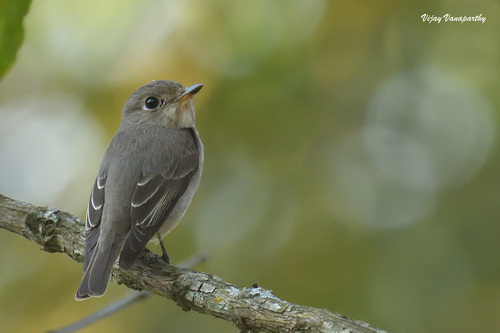
コサメビタキ (Muscicapa dauurica) コサメビタキ
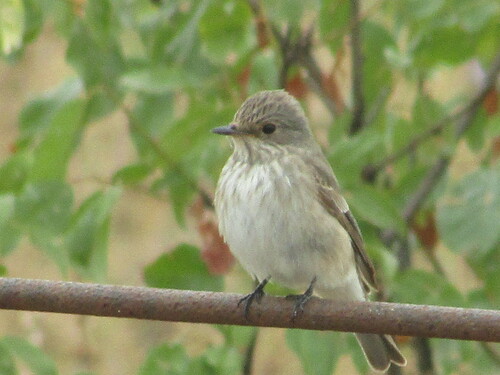
ムナフヒタキ (Muscicapa striata) ムナフヒタキ

メディア

読み込み中…

要点

コサメビタキとムナフヒタキの間で最も信頼できるフィールドマークは、成鳥の頭部と胸部における太い縞模様の有無です:ムナフヒタキは常に明確な茶色の縞模様を示し、コサメビタキは平坦な顔で縞模様がありません。両種の幼鳥は上面が鱗状に見えることがありますが、ムナフヒタキの幼鳥は上面と下面に目立つオーカー・バフの斑点があり、コサメビタキの幼鳥は鱗状ですが強い斑点がありません。構造的には、コサメビタキはやや小さく、相対的に長い尾と比例的に大きくて広いくちばしを持っています。両種は地味ですが、頭部のパターン、胸部の模様、くちばしの構造に注意を払うことで、フィールドで区別できます。

識別のコツ

  1. Crown and Breast Streaking (Adults): ムナフヒタキは常に頭部、喉、胸部に明確な茶色の縞模様を示し、コサメビタキは平坦な顔で縞模様がありません。これは成鳥にとって最も信頼できるマークです。
  2. Juvenile Pattern: 幼鳥のムナフヒタキは上面に大胆なオーカー・バフの斑点があり、下面には鱗状の茶色の斑点があり、目立つ模様に見えます;コサメビタキの幼鳥は上面と胸部が鱗状ですが強い斑点がなく、より控えめに見えます。
  3. Bill Structure: コサメビタキは相対的に大きく、広い基部を持ち、暗いくちばし(時には一部の個体群で淡い下顎を持つことがあります);ムナフヒタキは細く尖ったくちばしを持ち、常に黒色です。
  4. Tail and Wing Proportions: コサメビタキはやや小さく、サイズに対して相対的に長い尾を持ち、コンパクトな外観です;ムナフヒタキは全体的に長く、長い翼と尾を持ち、より細長いシルエットを与えます。
  5. Facial Pattern: コサメビタキは淡い目のリング('眼鏡')を示すことがありますが、これは他のMuscicapaよりも対照的ではありません;ムナフヒタキは強い目のリングがありませんが、縞模様のある頭部と顔が微妙に異なる印象を与えます。
  6. Upperparts Color: 両種は灰褐色ですが、コサメビタキはやや灰色がかって見えることがあります(特に羽毛が老化するにつれて)、ムナフヒタキはより均一に鈍い灰褐色です。
  7. Underparts: コサメビタキは下面が白っぽく、時には側面に茶色がかることがあります;ムナフヒタキは下面がオフホワイトですが、常に胸部と喉に縞模様があります。
  8. Wing and Tail Edging: 成鳥のムナフヒタキは翼と尾の羽に薄い淡い縁取りがありますが、これは微妙で、遠くからは診断的ではありません。
  9. Perched Posture: ムナフヒタキは非常に直立していることが多く、長時間オープンな場所に止まることがあります;コサメビタキはより落ち着きがなく、尾をより頻繁に振ることがあります。
  10. Habitat Context: ヨーロッパでは、ムナフヒタキはオープンな森林、公園、庭で一般的です;コサメビタキは珍しい迷鳥で、通常は沿岸の渡りのホットスポットで見られます。
  11. Voice: 聞こえた場合、ムナフヒタキの細く下降する鳴き声は特徴的です;コサメビタキは通常静かで、あまり特徴的な鳴き声を出しません(ノートには記載されていません)。
  12. Subspecific Variation: 両種の小さな違い(例:一部の個体群での上面の色が淡いまたは茶色い)は、通常フィールドでは診断的ではありません。
  13. Confusion Risk: 薄暗い光や距離では、両種は地味で灰褐色に見えることがあります;常に頭部と胸部の縞模様(ムナフヒタキにのみ存在)を探してください。
  14. Season: 幼鳥と初冬の鳥は最も混同されやすいです;大胆な斑点の存在(ムナフヒタキ)と鱗状で斑点のないパターン(コサメビタキ)に焦点を当ててください。

大きさ

ムナフヒタキは約14.5 cmの長さで、コサメビタキの13 cmと比較してやや大きいです。フィールドではその違いは微妙ですが、ムナフヒタキは全体的に長い翼と尾を持つ傾向があります。両種はスリムで直立したヒタキですが、コサメビタキは直接比較するとややコンパクトで短いくちばしに見えることがあります。体重はムナフヒタキ(14–20 g)のみが記載されていますが、両種とも軽量で小型のスズメ目の鳥です。

羽色

幼鳥と初冬の鳥はしばしば混同されます:ムナフヒタキの幼鳥は上面に特徴的なオーカー・バフの斑点があり、下面には鱗状の茶色の斑点があり、目立つ模様に見えますが、コサメビタキの幼鳥は上面と胸部が鱗状ですが強い斑点がありません。成鳥のムナフヒタキは常に頭部、喉、胸部に茶色の縞模様を示し、これは診断的です;コサメビタキの成鳥は平坦な顔を持ち、灰褐色の上面と白っぽい下面を持ち、時には側面に淡い茶色の洗いがかかることがありますが、決して大胆な縞模様はありません。コサメビタキのくちばしはより暗く、広い基部を持ち、一部の亜種では淡い下顎を持つことがあります。成鳥のムナフヒタキは翼と尾の羽に薄い淡い縁取りがありますが、これは微妙です。両種は灰褐色の上面と白っぽい下面を持っていますが、ムナフヒタキのみが強い縞模様を示します。両種の亜種の変異は小さく、通常フィールドでは診断的ではありません。

行動

両種は止まり木から飛び出して昆虫を捕まえることで狩りを行い、同じ場所に戻ることがよくあります。ムナフヒタキは直立した姿勢と目立つ止まり方で知られ、オープンまたは半オープンな生息地でよく見られます。コサメビタキも同様に振る舞いますが、より落ち着きがないように見え、しばしば長い尾を振る姿が見られます。飛行中、両種は敏捷ですが、ムナフヒタキはやや長い翼を持ち、より細長く見えることがあります。両種ともに人懐っこいですが、ムナフヒタキはオープンな場所に長時間止まる可能性が高いです。

生息環境

ムナフヒタキはヨーロッパとユーラシアの広範囲に繁殖し、オープンな森林、公園、庭、そしてエッジを好みます。コサメビタキは東アジアで繁殖し、ヨーロッパには珍しい迷鳥であり、森林のエッジ、開けた場所、木の生息地を好みます。西ヨーロッパでは、コサメビタキは珍しい渡り鳥であり、沿岸の渡りのトラップで見られることが多いですが、ムナフヒタキは広範囲のオープンな森林生息地で定期的に繁殖し、渡ります。

声

ムナフヒタキの鳴き声は細く、引き伸ばされた高音の「tssssseeeeeppppp」で、わずかに下降します。提供されたノートにはコサメビタキの特徴的な鳴き声は記載されていないため、ムナフヒタキの声はここでは信頼できる区別にはなりません。

より良い説明を送る

比較と同じ項目を使ってください。文章はすぐに公開されます。

The most reliable field mark between Asian Brown Flycatcher and Spotted Flycatcher is the presence or absence of bold streaking on the crown and breast in adults: Spotted Flycatcher always shows clear brown streaks, while Asian Brown Flycatcher is plain-faced and unstreaked. Juveniles of both can appear scaly above, but Spotted Flycatcher juveniles have prominent ochre-buff spots above and below, whereas Asian Brown Flycatcher juveniles are scaly but lack strong spotting. Structurally, Asian Brown Flycatcher is slightly smaller, with a relatively longer tail and a proportionally larger, broader bill. Both species are drab, but careful attention to head pattern, breast markings, and bill structure will separate them in the field.

  1. Crown and Breast Streaking (Adults): Spotted Flycatcher always shows clear brown streaks on the crown, throat, and breast; Asian Brown Flycatcher is plain-faced and unstreaked. This is the single most reliable mark for adults.
  2. Juvenile Pattern: Juvenile Spotted Flycatcher has bold ochre-buff spots above and scaly brown spots below, making it look heavily marked; Asian Brown Flycatcher juvenile is scaly above and on the breast but lacks strong spots, appearing more subdued.
  3. Bill Structure: Asian Brown Flycatcher has a relatively large, broad-based, and dark bill (sometimes with a pale lower mandible in some populations); Spotted Flycatcher has a thinner, pointed bill, always black.
  4. Tail and Wing Proportions: Asian Brown Flycatcher is slightly smaller and relatively longer-tailed for its size, with a compact look; Spotted Flycatcher is longer overall, with long wings and tail, giving a more attenuated silhouette.
  5. Facial Pattern: Asian Brown Flycatcher may show a faint pale eyering ('spectacles'), but these are less contrasting than in some other Muscicapa; Spotted Flycatcher lacks a strong eyering, but its streaked crown and face give a subtly different impression.
  6. Upperparts Color: Both are grey-brown above, but Asian Brown Flycatcher can appear slightly greyer (especially as plumage ages), while Spotted Flycatcher is more uniformly dull grey-brown.
  7. Underparts: Asian Brown Flycatcher is whitish below with sometimes a brownish tinge to the flanks; Spotted Flycatcher is off-white below but always with streaks on the breast and throat.
  8. Wing and Tail Edging: Spotted Flycatcher adults have thin pale edges to wing and tail feathers, but this is subtle and rarely diagnostic at distance.
  9. Perched Posture: Spotted Flycatcher often appears very upright and may perch in the open for long periods; Asian Brown Flycatcher can be more restless and may flick its tail more frequently.
  10. Habitat Context: In Europe, Spotted Flycatcher is common in open woodland, parks, and gardens; Asian Brown Flycatcher is a rare vagrant, usually found in coastal migrant hotspots.
  11. Voice: If heard, Spotted Flycatcher's thin, descending call is distinctive; Asian Brown Flycatcher is usually silent or gives less distinctive calls (not described in the notes).
  12. Subspecific Variation: Minor differences in both species (e.g., paler or browner upperparts in some populations) are not usually diagnostic in the field.
  13. Confusion Risk: In dull light or at distance, both can appear drab and grey-brown; always look for streaking on the head and breast (present only in Spotted Flycatcher) as the clincher.
  14. Season: Juvenile and first-winter birds are most often confused; focus on the presence of bold spots (Spotted) versus scaly, spot-less pattern (Asian Brown).

Spotted Flycatcher is slightly larger at about 14.5 cm in length, compared to Asian Brown Flycatcher's 13 cm. The difference is subtle in the field, but Spotted Flycatcher also tends to look longer-winged and longer-tailed overall. Both are slim, upright flycatchers, but Asian Brown Flycatcher may appear a bit more compact and shorter-billed in direct comparison. Weight is only given for Spotted Flycatcher (14–20 g), but both are lightweight, small passerines.

Juvenile and first-winter birds are often confused: Spotted Flycatcher juveniles have distinctive ochre-buff spots on the upperparts and scaly brown spots below, making them look boldly patterned, while Asian Brown Flycatcher juveniles show a scaly effect above and on the breast but lack strong spots. Adult Spotted Flycatchers always show brown streaks on the crown, throat, and breast, which are diagnostic; Asian Brown Flycatcher adults are plain-faced, with grey-brown upperparts and whitish underparts, sometimes with a faint brownish wash to the flanks but never with bold streaks. The bill of Asian Brown Flycatcher is darker and broader-based, sometimes with a paler lower mandible in some subspecies. Spotted Flycatcher adults have thin pale edges to the wing and tail feathers, but this is subtle. Both species have grey-brown upperparts and whitish underparts, but only Spotted Flycatcher shows strong streaking. Subspecific variation in both is minor and not usually diagnostic in the field.

Both species hunt by sallying from perches to catch insects, often returning to the same spot. Spotted Flycatcher is noted for its upright posture and conspicuous perching behavior, often in open or semi-open habitats. Asian Brown Flycatcher behaves similarly but may appear more restless and is often seen flicking its longer tail. In flight, both are agile, but Spotted Flycatcher may look slightly longer-winged and more attenuated. Both can be confiding, but Spotted Flycatcher is more likely to perch in the open for extended periods.

Spotted Flycatcher breeds across Europe and the Palearctic, favoring open woodlands, parks, gardens, and edges. Asian Brown Flycatcher breeds in eastern Asia and is a rare vagrant to Europe; it prefers forest edges, clearings, and wooded habitats. In western Europe, any Asian Brown Flycatcher is likely to be a rare migrant, often found in coastal migrant traps, while Spotted Flycatcher is a regular breeder and migrant in a wide range of open wooded habitats.

Spotted Flycatcher's call is a thin, drawn-out, high-pitched 'tssssseeeeeppppp,' slightly descending. No distinctive vocalization is described for Asian Brown Flycatcher in the provided notes, so voice is not a reliable separator here unless Spotted Flycatcher is heard giving its characteristic call.

変更を破棄しますか?

保存していない編集があります。今離れると失われます。

コサメビタキ · ムナフヒタキ · 苦手な鳥