

Motmot

コサメビタキ 対 ミナミコサメビタキ

Muscicapa dauurica 対 Muscicapa williamsoni

コサメビタキとミナミコサメビタキのクイズ
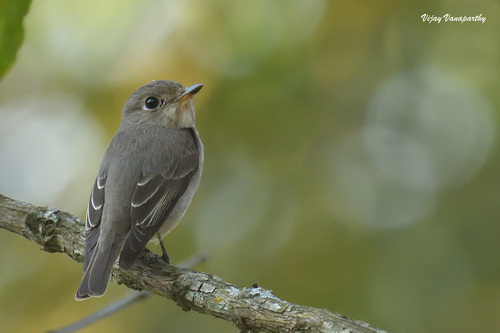
コサメビタキ (Muscicapa dauurica) コサメビタキ
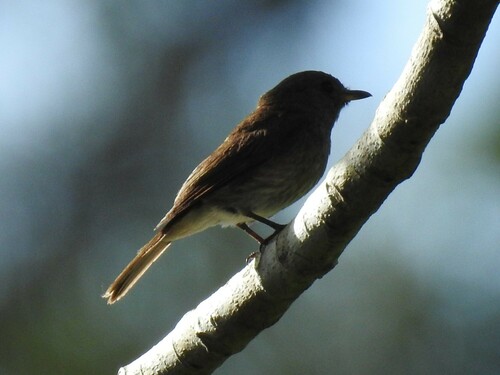
ミナミコサメビタキ (Muscicapa williamsoni) ミナミコサメビタキ

メディア

読み込み中…

要点

アジアブラウンフライキャッチャーとミナミコサメビタキの最も信頼できるフィールドマークは、全体的な羽色のトーンと季節的な色の変化です:ミナミコサメビタキは繁殖羽で明らかに赤褐色(暖かい茶色)の洗いがかかりますが、アジアブラウンフライキャッチャーは灰褐色のままで、赤褐色にはなりません。幼鳥のアジアブラウンフライキャッチャーは上面と胸に鱗状の模様がありますが、ミナミコサメビタキの未熟な羽色はそのようには記述されていません。構造的には、アジアブラウンフライキャッチャーは比較的長い尾と広い基部の暗いくちばしを持っています。両種はサイズが似ていますが、分布域はほとんど重ならないため、文脈が助けになります。フィールドでは、全体的なトーン(赤褐色対灰褐色)、若い鳥の鱗状のパターン、くちばしの構造に注目してください。

識別のコツ

  1. 幼鳥/初冬のアジアブラウンフライキャッチャーは鱗状の茶色の上面と胸を示します—このパターンを若い鳥で探してください。ミナミコサメビタキはどの年齢でも鱗状とは記述されていません。
  2. 成鳥のミナミコサメビタキは繁殖期に赤褐色(暖かい茶色)のトーンを獲得しますが、アジアブラウンフライキャッチャーは年間を通じて灰褐色のままです。
  3. アジアブラウンフライキャッチャーは比較的長い尾と広い基部の暗いくちばしを持っています;やや長い尾の外観と基部で大きく見えるくちばしを確認してください。
  4. アジアブラウンフライキャッチャーのくちばしの色は変わることがあります:標準的な鳥は主に暗いくちばしを持ち、poonensis亜種はより淡い下顎を示すことがあります。ミナミコサメビタキのくちばしの色は特異とは記述されていません。
  5. 顔と喉のコントラスト:アジアブラウンフライキャッチャー(特に標準的なもの)は、よりコントラストのある白い「眼鏡」と喉を示すことがありますが、ミナミコサメビタキは一般的に地味でコントラストが少なく、特に繁殖期以外ではそうです。
  6. 脇の色:アジアブラウンフライキャッチャーは茶色がかった脇を持つことがありますが、ミナミコサメビタキの脇は特異とは記述されていません。
  7. 季節的変化:繁殖期に暖かい茶色(赤褐色)のトーンの鳥を見た場合、ミナミコサメビタキを疑ってください。アジアブラウンフライキャッチャーは赤褐色にはなりません。
  8. 分布は強い手がかりです:南ミャンマー、南タイ、マレー半島北部、またはボルネオ北東部の外にいる場合、ミナミコサメビタキは非常に可能性が低いです。
  9. 記述された翼のパネルや飛行マークはありません:どちらの種も飛行中に特異な翼のパターンを持っていないため、これに頼らないでください。
  10. サイズは信頼できる区別ではありません:両方とも小さなフライキャッチャーであり、サイズの違いはフィールドで使用するには微妙すぎます。
  11. 両種は直立して止まり、昆虫を捕まえるために飛び出します:行動は診断的ではありません。
  12. 記述された声の違いはありません:地元の経験が異なることを示さない限り、声を使用して区別しないでください。
  13. アジアブラウンフライキャッチャーの亜種の変異:より淡い茶色の鳥で、より深いくちばしとコントラストの少ない顔を見た場合、それはミナミコサメビタキではなく、poonensis亜種かもしれません。
  14. 未熟なミナミコサメビタキは十分に記述されていません:鱗状の幼鳥を見た場合、アジアブラウンフライキャッチャーであると仮定するのが最も安全です。
  15. あいまいな場合は、全体的な色(赤褐色対灰褐色)と若い鳥の鱗状のパターンを優先してください。

大きさ

両種は小さなMuscicapaフライキャッチャーで、アジアブラウンフライキャッチャーは約13 cm(5.1 in)の長さです [wikipedia]。ミナミコサメビタキの直接的なサイズデータは提供されていませんが、サイズと構造は非常に似ていると考えられています。フィールドでのサイズの違いは無視できるものであり、これに頼って区別しないでください。

羽色

幼鳥と初冬のアジアブラウンフライキャッチャーは、特徴的な鱗状の茶色の上面、頭部、胸を持ち、模様があり、わずかにまだらに見えます。この鱗状の効果はミナミコサメビタキには記述されておらず、その未熟な羽色は情報源で詳細に記述されていません。成鳥では、アジアブラウンフライキャッチャーは上面が灰褐色で、腹部は白っぽく、脇は茶色がかっていますが、赤褐色の洗いは発達しません。一方、ミナミコサメビタキは繁殖羽で赤褐色(暖かい茶色)のトーンを獲得し、繁殖期以外では地味になります。アジアブラウンフライキャッチャーは、特に標準的な形で、ややコントラストのある白い喉と「眼鏡」を示すことがありますが、poonensis亜種はより淡く、コントラストが少ないです。アジアブラウンフライキャッチャーのくちばしの色は主に暗いか、いくつかの亜種では淡い下顎を持つことがあります。どちらの種にも翼のパターンや飛行マークは記述されていないため、区別は全体的な色と微妙な顔/喉のコントラストに依存します。

行動

両種は典型的なMuscicapaフライキャッチャーで、止まり木から飛び出して昆虫を捕まえます。フィールドで信頼できる区別をするための行動の違いは情報源で記述されていません。

生息環境

アジアブラウンフライキャッチャーはアジアの広範囲にわたる広い分布を持っていますが、ミナミコサメビタキは南ミャンマー、南タイ、マレー半島北部、ボルネオ北東部に制限されています。もしあなたがミナミコサメビタキの分布域の外(例:北アジア、インドの大部分、または温帯東アジア)にいる場合、ほぼ確実にアジアブラウンフライキャッチャーを見ています。重複する地域では、両方とも森林の生息地に生息しているため、生息地だけでは診断的ではありませんが、分布は強い手がかりです。

より良い説明を送る

比較と同じ項目を使ってください。文章はすぐに公開されます。

The most reliable field mark between Asian Brown Flycatcher and Brown-streaked Flycatcher is the overall plumage tone and seasonal color change: Brown-streaked Flycatcher shows a noticeably rufescent (warm brown) wash in breeding plumage, while Asian Brown Flycatcher remains grey-brown and never becomes rufous. Juvenile Asian Brown Flycatchers are scaly above and on the breast, while Brown-streaked's immature plumage is not described as such. Structurally, Asian Brown Flycatcher has a relatively longer tail and a broad-based, dark bill. Both species are similar in size, but their ranges overlap little, so context can help. In the field, focus on overall tone (rufescent vs grey-brown), any scaly pattern in young birds, and bill structure.

  1. Juvenile/first-winter Asian Brown Flycatcher shows scaly brown upperparts and breast—look for this pattern in young birds, as Brown-streaked is not described as scaly at any age.
  2. Adult Brown-streaked Flycatcher acquires a rufescent (warm brown) tone in breeding season, while Asian Brown Flycatcher remains grey-brown throughout the year.
  3. Asian Brown Flycatcher has a relatively long tail and broad-based, dark bill; check for a slightly longer-tailed look and a bill that appears large at the base.
  4. Bill color in Asian Brown Flycatcher can vary: nominate birds have a mostly dark bill, while the poonensis subspecies may show a paler lower mandible. Brown-streaked's bill color is not described as distinctive.
  5. Face and throat contrast: Asian Brown Flycatcher (especially nominate) may show more contrasting white 'spectacles' and throat, while Brown-streaked is generally drabber and less contrasting, especially outside breeding.
  6. Flank color: Asian Brown Flycatcher can have brown-tinged flanks, but Brown-streaked's flanks are not described as distinctive.
  7. Seasonal change: If you see a bird with a warm brown (rufescent) tone in the breeding season, suspect Brown-streaked. Asian Brown Flycatcher does not become rufous.
  8. Range is a strong clue: If you are outside southern Myanmar, southern Thailand, northern Peninsular Malaysia, or northeast Borneo, Brown-streaked is very unlikely.
  9. No described wing panel or flight mark: Neither species has a distinctive wing pattern in flight, so do not rely on this.
  10. Size is not a reliable separator: Both are small flycatchers, and any difference is too subtle for field use.
  11. Both species perch upright and sally for insects: Behavior is not diagnostic.
  12. No described vocal differences: Do not use voice for separation unless local experience suggests otherwise.
  13. Subspecies variation in Asian Brown Flycatcher: If you see a paler, browner bird with a deeper bill and less contrasting face, it may be the poonensis subspecies, not Brown-streaked.
  14. Immature Brown-streaked Flycatcher is poorly described: If you see a scaly juvenile, it is safest to assume Asian Brown Flycatcher.
  15. In ambiguous cases, prioritize overall color (rufescent vs grey-brown) and any scaly pattern in young birds.

Both species are small Muscicapa flycatchers, with Asian Brown Flycatcher at about 13 cm (5.1 in) in length [wikipedia]. No direct size data for Brown-streaked Flycatcher is given, but they are considered very similar in size and structure. Any size difference is negligible in the field; do not rely on this for separation.

Juvenile and first-winter Asian Brown Flycatchers have distinctive scaly brown upperparts, head, and breast, making them appear patterned and slightly mottled. This scaly effect is not described for Brown-streaked Flycatcher, whose immature plumage is not detailed in the sources. In adults, Asian Brown Flycatcher is grey-brown above, with whitish underparts and brown-tinged flanks, and does not develop a rufous wash. Brown-streaked Flycatcher, by contrast, acquires a rufescent (warm brown) tone in breeding plumage, becoming drabber outside the breeding season. Asian Brown Flycatcher may show a slightly more contrasting white throat and 'spectacles,' especially in the nominate form, while the poonensis subspecies is paler and less contrasting. Bill color in Asian Brown Flycatcher can be mostly dark or have a pale lower mandible in some subspecies. No wing pattern or flight mark is described for either species, so separation relies on overall color and subtle face/throat contrast.

Both species are typical Muscicapa flycatchers, sallying from perches to catch insects. No behavioral differences are described in the sources that would reliably separate them in the field.

Asian Brown Flycatcher has a broad range across much of Asia, while Brown-streaked Flycatcher is restricted to southern Myanmar, southern Thailand, northern Peninsular Malaysia, and northeast Borneo. If you are outside the range of Brown-streaked (e.g., northern Asia, most of India, or temperate East Asia), you are almost certainly seeing Asian Brown Flycatcher. In the overlap zone, both occur in wooded habitats, so habitat alone is not diagnostic, but range is a strong clue.

変更を破棄しますか?

保存していない編集があります。今離れると失われます。

コサメビタキ · ミナミコサメビタキ · 苦手な鳥