

Asian Brown Flycatcher vs Brown-streaked Flycatcher
Muscicapa dauurica contro Muscicapa williamsoni
Fai un quiz con Asian Brown Flycatcher e Brown-streaked Flycatcher
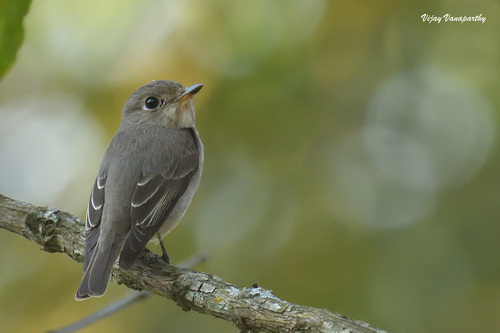 Asian Brown Flycatcher
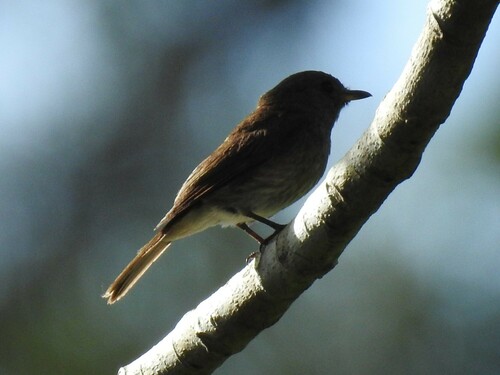 Brown-streaked Flycatcher
In breve
Il segno di campo più affidabile tra Asian Brown Flycatcher e Brown-streaked Flycatcher è il tono generale del piumaggio e il cambiamento di colore stagionale: il Brown-streaked Flycatcher mostra un evidente lavaggio rufescente (marrone caldo) nel piumaggio di riproduzione, mentre l'Asian Brown Flycatcher rimane grigio-marrone e non diventa mai rufoso. I giovani Asian Brown Flycatchers sono squamosi sopra e sul petto, mentre il piumaggio immaturo del Brown-streaked non è descritto come tale. Strutturalmente, l'Asian Brown Flycatcher ha una coda relativamente più lunga e un becco scuro a base larga. Entrambe le specie sono simili in dimensioni, ma i loro areali si sovrappongono poco, quindi il contesto può aiutare. Sul campo, concentrati sul tono generale (rufescente vs grigio-marrone), su qualsiasi motivo squamoso nei giovani uccelli e sulla struttura del becco.
Consigli di identificazione
- Il giovane/il primo inverno dell'Asian Brown Flycatcher mostra parti superiori e petto marrone squamosi—cerca questo motivo nei giovani uccelli, poiché il Brown-streaked non è descritto come squamoso a nessuna età.
- L'adulto Brown-streaked Flycatcher acquisisce un tono rufescente (marrone caldo) nella stagione di riproduzione, mentre l'Asian Brown Flycatcher rimane grigio-marrone per tutto l'anno.
- L'Asian Brown Flycatcher ha una coda relativamente lunga e un becco scuro a base larga; controlla se ha un aspetto con coda leggermente più lunga e un becco che appare grande alla base.
- Il colore del becco nell'Asian Brown Flycatcher può variare: gli uccelli nominativi hanno un becco per lo più scuro, mentre la sottospecie poonensis può mostrare un mandibile inferiore più chiaro. Il colore del becco del Brown-streaked non è descritto come distintivo.
- Contrasto di faccia e gola: l'Asian Brown Flycatcher (soprattutto il nominativo) può mostrare 'occhiali' bianchi e gola più contrastanti, mentre il Brown-streaked è generalmente più opaco e meno contrastante, specialmente al di fuori della riproduzione.
- Colore dei fianchi: l'Asian Brown Flycatcher può avere fianchi con sfumature marroni, ma i fianchi del Brown-streaked non sono descritti come distintivi.
- Cambiamento stagionale: se vedi un uccello con un tono marrone caldo (rufescente) nella stagione di riproduzione, sospetta il Brown-streaked. L'Asian Brown Flycatcher non diventa rufoso.
- L'areale è un forte indizio: se sei al di fuori del Myanmar meridionale, della Thailandia meridionale, della Malaysia peninsulare settentrionale o del Borneo nordorientale, è molto improbabile che tu stia vedendo un Brown-streaked.
- Nessun pannello alare o segno di volo descritto: nessuna delle due specie ha un motivo alare distintivo in volo, quindi non fare affidamento su questo.
- La dimensione non è un separatore affidabile: entrambe sono piccoli flycatchers, e qualsiasi differenza è troppo sottile per l'uso sul campo.
- Entrambe le specie si posano in posizione eretta e si lanciano per catturare insetti: il comportamento non è diagnostico.
- Nessuna differenza vocale descritta: non usare la voce per la separazione a meno che l'esperienza locale non suggerisca diversamente.
- Variazione delle sottospecie nell'Asian Brown Flycatcher: se vedi un uccello più chiaro e marrone con un becco più profondo e una faccia meno contrastante, potrebbe essere la sottospecie poonensis, non il Brown-streaked.
- Il giovane Brown-streaked Flycatcher è scarsamente descritto: se vedi un giovane squamoso, è più sicuro assumere che sia un Asian Brown Flycatcher.
- Nei casi ambigui, dai priorità al colore generale (rufescente vs grigio-marrone) e a qualsiasi motivo squamoso nei giovani uccelli.
Taglia
Entrambe le specie sono piccoli flycatcher Muscicapa, con l'Asian Brown Flycatcher lungo circa 13 cm (5.1 in) [wikipedia]. Non sono forniti dati diretti sulle dimensioni del Brown-streaked Flycatcher, ma si considera che siano molto simili in dimensioni e struttura. Qualsiasi differenza di dimensione è trascurabile sul campo; non fare affidamento su questo per la separazione.
Piumaggio
I giovani e i primi inverni dell'Asian Brown Flycatcher hanno parti superiori marroni squamose distintive, testa e petto, che li fanno apparire a motivo e leggermente maculati. Questo effetto squamoso non è descritto per il Brown-streaked Flycatcher, il cui piumaggio immaturo non è dettagliato nelle fonti. Negli adulti, l'Asian Brown Flycatcher è grigio-marrone sopra, con parti inferiori bianche e fianchi con sfumature marroni, e non sviluppa un lavaggio rufoso. Il Brown-streaked Flycatcher, al contrario, acquisisce un tono rufescente (marrone caldo) nel piumaggio di riproduzione, diventando più opaco al di fuori della stagione di riproduzione. L'Asian Brown Flycatcher può mostrare una gola e 'occhiali' bianchi leggermente più contrastanti, soprattutto nella forma nominativa, mentre la sottospecie poonensis è più chiara e meno contrastante. Il colore del becco nell'Asian Brown Flycatcher può essere per lo più scuro o avere un mandibile inferiore chiaro in alcune sottospecie. Nessun motivo alare o segno di volo è descritto per entrambe le specie, quindi la separazione si basa sul colore generale e sul sottile contrasto di faccia/gola.
Comportamento
Entrambe le specie sono tipici flycatcher Muscicapa, lanciandosi da posatoi per catturare insetti. Nessuna differenza comportamentale è descritta nelle fonti che possa separarle in modo affidabile sul campo.
Habitat
L'Asian Brown Flycatcher ha un ampio areale in gran parte dell'Asia, mentre il Brown-streaked Flycatcher è ristretto al Myanmar meridionale, alla Thailandia meridionale, alla Malaysia peninsulare settentrionale e al Borneo nordorientale. Se sei al di fuori dell'areale del Brown-streaked (ad esempio, nell'Asia settentrionale, nella maggior parte dell'India o nell'Asia orientale temperata), stai quasi certamente vedendo un Asian Brown Flycatcher. Nella zona di sovrapposizione, entrambe si trovano in habitat boschivi, quindi l'habitat da solo non è diagnostico, ma l'areale è un forte indizio.
Asian Brown Flycatcher · Brown-streaked Flycatcher · I miei uccelli difficili