

Motmot

サンショウクイ 対 チャイロサンショウクイ

Pericrocotus divaricatus 対 Pericrocotus cantonensis

サンショウクイとチャイロサンショウクイのクイズ
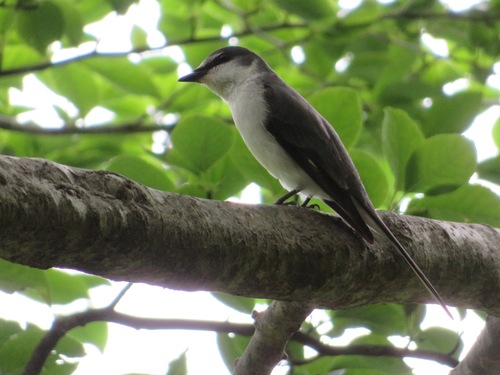
サンショウクイ (Pericrocotus divaricatus) サンショウクイ
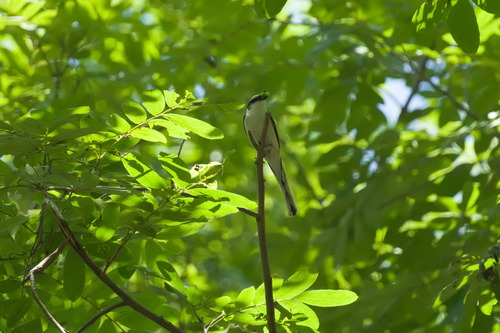
チャイロサンショウクイ (Pericrocotus cantonensis) チャイロサンショウクイ

メディア

読み込み中…

要点

サンショウクイとチャイロサンショウクイを区別する最も信頼できるフィールドマークは、オスのサンショウクイの際立った白い顔と黒い後頭部であり、これはBrown-rumpedには見られません。メスと幼鳥はより難解で、メスのサンショウクイはメスのチャイロサンショウクイに非常に似ていることがあります、特に微妙な羽毛において。サンショウクイは全体的に冷たいトーンで、灰色、白、黒が見られますが、チャイロサンショウクイは暖かいトーンと茶色の尾羽を示す傾向があります。飛行中または遠くから見るときは、顔のパターンと全体的な色合いの冷たさに注目してください。両種はサイズと構造が似ているため、羽毛の詳細が区別の鍵となります。

識別のコツ

  1. オスのサンショウクイは診断的: 白い顔と黒い後頭部を探してください—このパターンを示す他のミニベットは地域にはおらず、Brown-rumpedも含まれます。これはオスにとって最も良いフィールドマークです。
  2. メスのAshyとチャイロサンショウクイ: メスのサンショウクイは灰色の帽子、くちばしと目の間の黒い線、狭い白い眉斑を持っています。Brown-rumpedのメスは全体的に暖かく、茶色の尾羽とあまりはっきりした顔のマーキングがありません。光が悪い場合や遠くから見ると、これが微妙になることがあります。
  3. 全体的な色合い: サンショウクイは冷たい灰色と白で、黄色、オレンジ、赤はありません。チャイロサンショウクイはやや暖かく、特に尾羽においてですが、これはフィールドで判断するのが難しいことがあります。
  4. 尾羽の色: 後ろからよく見える場合、チャイロサンショウクイは特にメスや幼鳥において茶色の尾羽の斑点を示します。サンショウクイの尾羽は背中(灰色)と同色で、茶色の色合いはありません。
  5. 翼と尾のパターン: 両種は外側の尾羽と白い翼のパネルに白を示しますが、サンショウクイは飛行羽毛に沿ったやや対照的な白い帯を持つことがあります。これは微妙で、常に信頼できるわけではありません。
  6. メス/幼鳥の顔のパターン: くちばしと目の間の黒い線とその上の狭い白い帯はメスのサンショウクイの良いマークですが、良い視界がないと見えにくいことがあります。
  7. 幼鳥/未熟な鳥: どちらの種にも特定の年齢に特有の上翼や飛行パターンは記載されていないため、顔と尾羽の色合いに頼って区別してください。
  8. くちばしと構造: 両種は似たような黒いくちばしと足を持ち、形やサイズにおいて有用な違いはありません。
  9. 行動: 両種は樹冠で採餌し、混合群に参加します; サンショウクイは特に渡りの際に大きな移動群に見られることがあります。
  10. 生息地と範囲: サンショウクイは長距離の渡り鳥であり、渡りの際に大量に現れることがあります; Brown-rumpedは中国とインドシナにより局所的です。範囲外では、サンショウクイの可能性を考慮してください。
  11. 声: サンショウクイは高音の金属的なトリルを持っています; Brown-rumpedのための特定の鳴き声は資料には記載されていないため、Ashyのトリルが聞こえない限り、声に頼って区別しないでください。
  12. 落とし穴: メスと幼鳥のサンショウクイはチャイロサンショウクイと混同される可能性が最も高いです。常に顔と尾羽の明確な視界を得るようにし、見かけの色合いに影響を与える照明に注意してください。
  13. 季節的文脈: 渡り中の大きなミニベットの群れを観察している場合、特にBrown-rumpedの繁殖範囲外では、サンショウクイの可能性が高いです。
  14. 混合群: 両種は混合種のミニベット群に参加することがあるため、各個体を注意深く確認してください。
  15. 疑わしい場合: 顔が白く、後頭部が黒い(オス)場合、それはサンショウクイです。尾羽が明らかに茶色がかっていて顔のマーキングが弱い場合、特に中国やインドシナではBrown-rumpedを疑ってください。

大きさ

両種はサイズと構造が非常に似ており、ミニベットの典型的です。サンショウクイの記録された体重は24.0 g [wikidata]です; Brown-rumpedの体重は利用できませんが、フィールド経験と参考文献は、両者が体積と長さでほぼ同じであることを示唆しています。くちばしと尾の比率は両者の間で特に区別されていません。

羽色

成鳥のオスのサンショウクイは、白い顔、黒い後頭部、灰色の上面を持っており、チャイロサンショウクイのオスはこの組み合わせを示しません。メスのサンショウクイはメスのチャイロサンショウクイに非常に似ており、両者は灰色がかった上面と淡い下面を示しますが、Ashyはトーンが冷たく、クリーンで、くちばしと目の間に特徴的な黒い線と狭い白い眉斑を持っています。Brown-rumpedのメスは、より暖かく、茶色がかった尾羽とあまりはっきりした顔のマーキングを持っています。幼鳥と未熟な羽毛は提供されたメモには詳細に記載されていませんが、冷たいトーンと暖かいトーン、顔のパターンが最良の手がかりです。両種は外側の尾羽に白を示し、白い翼のパネルを持っていますが、サンショウクイではその範囲と対比がやや大きいかもしれません。どちらの種にも特定の年齢に特有の上翼パターンは記載されていないため、成鳥とメスの顔と尾羽の色合いに注目してください。

行動

両種は樹冠で活発に採餌し、しばしば混合種の群れに参加します。サンショウクイは特に渡りの際に大きな移動群を形成することがあるとされています。採餌スタイル、飛行、止まり方は非常に似ており、フィールドで信頼できる区別はできません。

生息環境

サンショウクイは北東アジアで繁殖し、長距離を移動し、南アジアと東南アジアで冬を越し、時にはスリランカまで行きます。森林や散在する木々のある開けた場所に生息しています。チャイロサンショウクイは中国で繁殖し、インドシナで冬を越します。両種は似たような森林の生息地を使用するため、生息地は範囲の極端な部分を除いて強い区別要因ではありません。サンショウクイは南アジアでは珍しい渡り鳥ですが、Brown-rumpedは中国とインドシナにより局所的です。

声

サンショウクイは高音の金属的なトリルを出します。提供されたメモにはチャイロサンショウクイの鳴き声は記載されていないため、現在の情報に基づいて声は信頼できる区別要因ではありません。

より良い説明を送る

比較と同じ項目を使ってください。文章はすぐに公開されます。

The most reliable field mark to separate Ashy Minivet from Brown-rumped Minivet is the male Ashy Minivet’s striking white face and black nape, which is never matched by Brown-rumped. Females and immatures are trickier, as female Ashy Minivet can closely resemble female Brown-rumped Minivet, especially in subtle plumage. Ashy Minivet is overall colder-toned, with greys, whites, and blacks, while Brown-rumped Minivet tends to show warmer tones and a brownish rump. In flight or at a distance, focus on the face pattern and overall coldness of coloration. Both species are similar in size and structure, so plumage details are key for separation.

  1. Male Ashy Minivet is diagnostic: Look for a white face and black nape—no other minivet in the region, including Brown-rumped, shows this pattern. This is the single best field mark for males.
  2. Female Ashy vs. Brown-rumped Minivet: Female Ashy Minivet has a grey cap, a black line between bill and eye, and a narrow white supercilium. Brown-rumped females are warmer overall, with a brownish rump and less sharply defined facial markings. In poor light or at distance, this can be subtle.
  3. Overall coloration: Ashy Minivet is cold grey and white, lacking any yellow, orange, or red. Brown-rumped Minivet is slightly warmer, especially on the rump, but this can be hard to judge in the field.
  4. Rump color: If seen well from behind, Brown-rumped Minivet shows a brownish rump patch, especially in females and immatures. Ashy Minivet’s rump is concolorous with the back (grey), with no brown tinge.
  5. Wing and tail pattern: Both species show white in the outer tail feathers and a white wing panel, but Ashy Minivet may have a slightly more contrasting white band across the flight feathers. This is subtle and not always reliable.
  6. Face pattern in females/immatures: The black line between bill and eye and the narrow white band above it are good marks for female Ashy Minivet, but can be hard to see without good views.
  7. Juvenile/immature birds: No distinctive age-specific upperwing or flight pattern is described for either species, so rely on face and rump coloration for separation.
  8. Bill and structure: Both species have similar black bills and feet, with no useful difference in shape or size.
  9. Behavior: Both forage in the canopy and join mixed flocks; Ashy Minivet may be seen in larger migrant flocks, especially on passage.
  10. Habitat and range: Ashy Minivet is a long-distance migrant and may appear in large numbers during migration; Brown-rumped is more localized to China and Indochina. Out of range, consider the possibility of Ashy Minivet.
  11. Voice: Ashy Minivet has a high-pitched, metallic trill; no distinctive call is noted for Brown-rumped in the sources, so do not rely on voice for separation unless Ashy’s trill is heard.
  12. Pitfalls: Female and immature Ashy Minivets are the most likely to be confused with Brown-rumped Minivet. Always try to get a clear view of the face and rump, and beware of lighting that can affect apparent coloration.
  13. Seasonal context: If observing a large flock of minivets on migration, Ashy Minivet is more likely, especially outside the breeding range of Brown-rumped.
  14. Mixed flocks: Both species may join mixed-species minivet flocks, so check each individual carefully.
  15. When in doubt: If the face is white and nape black (male), it is Ashy Minivet. If the rump is distinctly brownish and face markings are weak, suspect Brown-rumped, especially in China or Indochina.

Both species are very similar in size and structure, typical of minivets. Ashy Minivet has a recorded body mass of 24.0 g [wikidata]; no mass is available for Brown-rumped, but field experience and references suggest they are nearly identical in bulk and length. Bill and tail proportions are not noted as distinctive between the two.

Adult male Ashy Minivet is unmistakable with its white face, black nape, and grey upperparts; Brown-rumped Minivet males never show this combination. Female Ashy Minivet is much more similar to female Brown-rumped Minivet, both showing greyish upperparts and pale underparts, but Ashy tends to be colder and cleaner in tone, with a distinctive black line between bill and eye and a narrow white supercilium. Brown-rumped females have a warmer, browner rump and less sharply defined facial markings. Juvenile and immature plumages are not described in detail for either species in the provided notes, but the cold vs. warm tone and face pattern remain the best clues. Both species show white in the outer tail feathers, and a white wing panel, but the extent and contrast may be slightly greater in Ashy Minivet. No distinctive age-specific upperwing pattern is described for either species, so focus on adult and female face and rump coloration.

Both species forage actively in the canopy, often joining mixed-species flocks. Ashy Minivet is noted for sometimes forming large migrant flocks, especially on passage. Foraging style, flight, and perching behavior are very similar and not reliably separable in the field.

Ashy Minivet breeds in northeast Asia and migrates long distances, wintering in South and Southeast Asia, sometimes as far as Sri Lanka. It is found in forests and open areas with scattered trees. Brown-rumped Minivet breeds in China and winters in Indochina. Both species use similar wooded habitats, so habitat is not a strong separator except at the extremes of their ranges. Ashy Minivet is a rare migrant in South Asia, while Brown-rumped is more local to China and Indochina.

Ashy Minivet gives a high-pitched, metallic trill. No vocalization is described for Brown-rumped Minivet in the provided notes, so voice is not a reliable separator based on current information.

変更を破棄しますか?

保存していない編集があります。今離れると失われます。

サンショウクイ · チャイロサンショウクイ · 苦手な鳥