

Ashy Minivet vs Brown-rumped Minivet
Pericrocotus divaricatus contro Pericrocotus cantonensis
Fai un quiz con Ashy Minivet e Brown-rumped Minivet
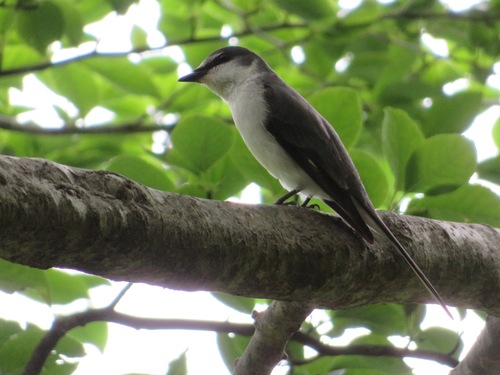 Ashy Minivet
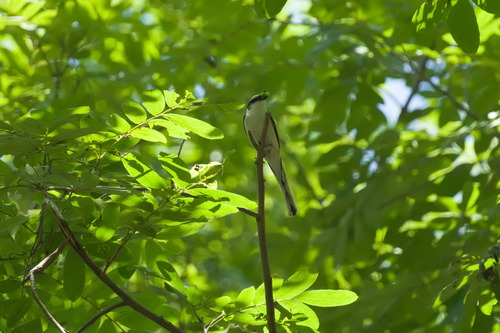 Brown-rumped Minivet
In breve
Il segno distintivo più affidabile per separare l'Ashy Minivet dal Brown-rumped Minivet è il volto bianco e il nape nero del maschio Ashy Minivet, che non è mai eguagliato dal Brown-rumped. Le femmine e gli immaturi sono più difficili da distinguere, poiché la femmina di Ashy Minivet può assomigliare molto alla femmina di Brown-rumped Minivet, specialmente nel piumaggio sottile. L'Ashy Minivet ha tonalità complessivamente più fredde, con grigi, bianchi e neri, mentre il Brown-rumped Minivet tende a mostrare tonalità più calde e un sopracciglio bruno. In volo o a distanza, concentrati sul motivo del volto e sulla freddezza complessiva della colorazione. Entrambe le specie sono simili in dimensioni e struttura, quindi i dettagli del piumaggio sono fondamentali per la separazione.
Consigli di identificazione
- Il maschio Ashy Minivet è diagnostico: Cerca un volto bianco e un nape nero—nessun altro minivet nella regione, incluso il Brown-rumped, mostra questo motivo. Questo è il segno distintivo migliore per i maschi.
- Femmina di Ashy vs. Brown-rumped Minivet: La femmina di Ashy Minivet ha un cappello grigio, una linea nera tra il becco e l'occhio, e un sopracciglio bianco stretto. Brown-rumped le femmine sono più calde complessivamente, con un sopracciglio bruno e segni facciali meno definiti. In scarsa luce o a distanza, questo può essere sottile.
- Colorazione complessiva: L'Ashy Minivet è grigio freddo e bianco, privo di giallo, arancione o rosso. Il Brown-rumped Minivet è leggermente più caldo, specialmente sul sopracciglio, ma questo può essere difficile da giudicare sul campo.
- Colore del sopracciglio: Se visto bene da dietro, il Brown-rumped Minivet mostra una macchia bruna sul sopracciglio, specialmente nelle femmine e negli immaturi. Il sopracciglio dell'Ashy Minivet è concoloro con la schiena (grigia), senza tinge bruna.
- Motivo delle ali e della coda: Entrambe le specie mostrano bianco nelle penne esterne della coda e un pannello bianco sulle ali, ma l'Ashy Minivet può avere una banda bianca leggermente più contrastante sulle penne da volo. Questo è sottile e non sempre affidabile.
- Motivo del volto nelle femmine/gli immaturi: La linea nera tra il becco e l'occhio e la stretta banda bianca sopra di essa sono buoni segni per la femmina di Ashy Minivet, ma possono essere difficili da vedere senza buone viste.
- Uccelli juvenili/immaturi: Non è descritto alcun motivo distintivo specifico per l'età per le ali superiori o il volo per entrambe le specie, quindi fai affidamento sulla colorazione del volto e del sopracciglio per la separazione.
- Becco e struttura: Entrambe le specie hanno becchi e piedi neri simili, senza differenze utili nella forma o nelle dimensioni.
- Comportamento: Entrambi foraggiano nella chioma e si uniscono a stormi misti; l'Ashy Minivet può essere visto in stormi migratori più grandi, specialmente durante il passaggio.
- Habitat e distribuzione: L'Ashy Minivet è un migratore a lungo raggio e può apparire in gran numero durante la migrazione; il Brown-rumped è più localizzato in Cina e Indocina. Fuori dalla gamma, considera la possibilità di Ashy Minivet.
- Voce: L'Ashy Minivet ha un trill acuto e metallico; non è nota alcuna chiamata distintiva per il Brown-rumped nelle fonti, quindi non fare affidamento sulla voce per la separazione a meno che non si senta il trill di Ashy.
- Trappole: Le femmine e gli immaturi di Ashy Minivet sono i più probabili da confondere con il Brown-rumped Minivet. Cerca sempre di ottenere una vista chiara del volto e del sopracciglio, e fai attenzione all'illuminazione che può influenzare la colorazione apparente.
- Contesto stagionale: Se osservi un grande stormo di minivets in migrazione, è più probabile che sia l'Ashy Minivet, specialmente al di fuori dell'area di nidificazione del Brown-rumped.
- Stormi misti: Entrambe le specie possono unirsi a stormi di minivets di specie miste, quindi controlla attentamente ogni individuo.
- Quando hai dubbi: Se il volto è bianco e il nape è nero (maschio), è l'Ashy Minivet. Se il sopracciglio è distintamente bruno e i segni del volto sono deboli, sospetta il Brown-rumped, specialmente in Cina o Indocina.
Taglia
Entrambe le specie sono molto simili in dimensioni e struttura, tipiche dei minivets. L'Ashy Minivet ha una massa corporea registrata di 24.0 g [wikidata]; non è disponibile alcuna massa per il Brown-rumped, ma l'esperienza sul campo e i riferimenti suggeriscono che siano quasi identici in bulk e lunghezza. Le proporzioni di becco e coda non sono notate come distintive tra i due.
Piumaggio
Il maschio adulto di Ashy Minivet è inconfondibile con il suo volto bianco, nape nero e parti superiori grigie; i maschi di Brown-rumped Minivet non mostrano mai questa combinazione. La femmina di Ashy Minivet è molto più simile alla femmina di Brown-rumped Minivet, entrambe mostrano parti superiori grigioastre e parti inferiori chiare, ma l'Ashy tende ad essere più freddo e pulito nel tono, con una linea nera distintiva tra il becco e l'occhio e un sopracciglio bianco stretto. Le femmine di Brown-rumped hanno un sopracciglio più caldo e bruno e segni facciali meno definiti. I piumaggi juvenili e immaturi non sono descritti in dettaglio per entrambe le specie nelle note fornite, ma il tono freddo vs. caldo e il motivo del volto rimangono i migliori indizi. Entrambe le specie mostrano bianco nelle penne esterne della coda e un pannello bianco sulle ali, ma l'estensione e il contrasto possono essere leggermente maggiori nell'Ashy Minivet. Non è descritto alcun motivo distintivo specifico per l'età per le ali superiori di entrambe le specie, quindi concentrati sulla colorazione del volto e del sopracciglio degli adulti e delle femmine.
Comportamento
Entrambe le specie foraggiano attivamente nella chioma, spesso unendosi a stormi di specie miste. L'Ashy Minivet è noto per formare a volte grandi stormi migratori, specialmente durante il passaggio. Lo stile di foraggiamento, il volo e il comportamento di posarsi sono molto simili e non sono separabili in modo affidabile sul campo.
Habitat
L'Ashy Minivet nidifica nel nord-est asiatico e migra per lunghe distanze, svernando nel sud e sud-est asiatico, a volte fino a Sri Lanka. Si trova in foreste e aree aperte con alberi sparsi. Il Brown-rumped Minivet nidifica in Cina e sverna in Indocina. Entrambe le specie utilizzano habitat boschivi simili, quindi l'habitat non è un forte separatore tranne che agli estremi delle loro aree. L'Ashy Minivet è un migratore raro nel sud asiatico, mentre il Brown-rumped è più locale in Cina e Indocina.
Voce
L'Ashy Minivet emette un trill acuto e metallico. Non è descritta alcuna vocalizzazione per il Brown-rumped Minivet nelle note fornite, quindi la voce non è un separatore affidabile basato sulle informazioni attuali.
Ashy Minivet · Brown-rumped Minivet · I miei uccelli difficili