

Motmot

クロトウゾクカモメ 対 トウゾクカモメ

Stercorarius parasiticus 対 Stercorarius pomarinus

クロトウゾクカモメとトウゾクカモメのクイズ
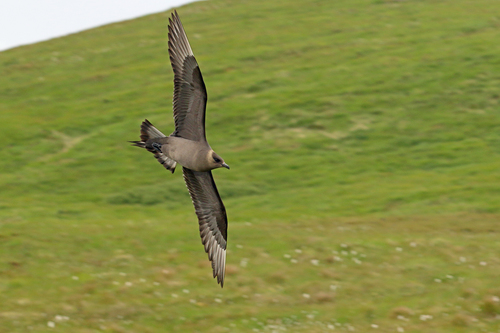
クロトウゾクカモメ (Stercorarius parasiticus) クロトウゾクカモメ
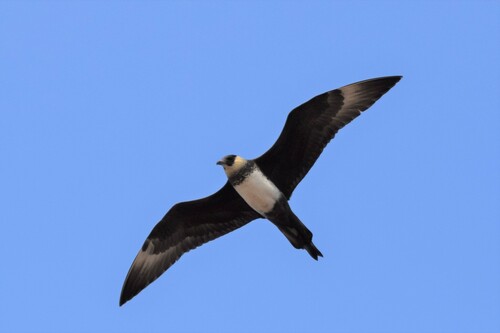
トウゾクカモメ (Stercorarius pomarinus) トウゾクカモメ

メディア

読み込み中…

要点

アークティック・スカイア(クロトウゾクカモメ)とポマリン・スカイア(トウゾクカモメ)の間で最も信頼できるフィールドマークは、全体の構造とサイズです:ポマリンはより大きく、翼が広く、重く、よりタカのようでない飛行を持ち、アークティックはスリムでより敏捷です。繁殖期の成鳥ポマリンは、アークティックの尖った尾羽よりも長い、特徴的なスプーン型の中央尾羽を持っています。両種は似たような羽毛の変異(明るい、暗い、中間の形態)と白い翼のフラッシュを示し、特に幼鳥の識別を難しくしています。飛行中、ポマリンの下翼の二重白フラッシュと重い印象は役立ちますが、多くの未熟な鳥は慎重な構造比較を必要とします。特に若い鳥や遠くからの視界では混乱が予想されます。

識別のコツ

  1. サイズと体重: ポマリンはアークティックよりも明らかに大きく、重いです;鳥が一緒にいるときや他の海鳥と一緒にスケールを使ってください。
  2. 翼の形と飛行: ポマリンは翼が広く、より計測された、タカのようでない飛行を持ち、アークティックはスリムでより敏捷で、特に追跡時にそうです。
  3. 尾の形(繁殖期の成鳥): ポマリンの中央尾羽は長く、スプーン型で、ねじれています;アークティックの尾羽は尖っていて短いです。これは繁殖羽毛の成鳥にとって重要なマークです。
  4. 下翼のフラッシュ: ポマリンは下翼に二重の白いフラッシュを示し、アークティックは単一の白いパッチを持っています。これは良い光の中で成鳥と古い未熟な個体に最も信頼できます。
  5. くちばしと頭: ポマリンのくちばしは太く、頭はより頑丈に見えます;アークティックのくちばしは細く、頭はスリムですが、これは距離があると微妙です。
  6. 羽毛の形態: 両種は明るい、暗い、中間の形態を持っています;全体の色に頼って分けないでください。
  7. 幼鳥の混乱: 両方の幼鳥は非常に似ています;構造と飛行スタイルは羽毛よりも有用です。距離があると、分けることはできないかもしれません。
  8. 声: ポマリンは厳しいおしゃべりと「ウィッチ・ユー」の呼び声を出し、アークティックは鼻声のミューイングと泣き声を出します。よく聞こえた場合にのみ有用です。
  9. 生息地の文脈: アークティックは移動中に海岸近くや陸上で見られる可能性が高く、ポマリンは繁殖外ではより厳密に外洋性です。
  10. 相対的な豊富さ: アークティック・スカイアは海岸から見られる最も一般的なジャガーです;ポマリンは移動イベント中を除いて、あまり頻繁には見られません。
  11. 印象: ポマリンはより重く、敏捷性が低く、よりカモメのように見えます;アークティックはより流線型でタカのように見え、特に飛行中にそうです。
  12. 尾羽の長さ(非繁殖期): 繁殖外では、両方の尾羽は短くなるか存在しないため、分けるのが難しくなります—構造と飛行に戻ってください。
  13. 主翼の突出: メモには具体的に記載されていませんが、ポマリンの広い翼と重い体格が手がかりです;アークティックの翼は比較的長く、狭いです。
  14. 行動: 両種は食べ物のために他の鳥を追いかけますが、ポマリンの攻撃は遅く、より直接的です;アークティックはより敏捷でアクロバティックです。
  15. 落とし穴: 色の形態、単一のフィールドマーク、または短い視界に頼らないでください—特に未熟な個体のために、構造、飛行、文脈の組み合わせを使用してください。

大きさ

ポマリン・スカイアはアークティック・スカイアよりも一貫して大きく、重いです。ポマリンは46–67 cmの長さ(繁殖期の成鳥では尾羽が最大10 cm含まれます)で、翼幅は110–138 cm、平均体重は約694 gです。アークティック・スカイアは41–48 cmの長さ(繁殖期の成鳥では尾羽が約7 cm)、翼幅107–125 cm、体重300–650 gで、フィールドではポマリンは明らかにより大きく、翼が広く見え、アークティックはよりスリムでコンパクトです。

羽色

幼鳥と未熟な羽毛は非常に分けるのが難しいです。両種は三つの色の形態(明るい、暗い、中間)と白い翼のフラッシュを示します。繁殖羽毛の成鳥の場合、ポマリンの中央尾羽ははるかに長く、スプーン型で、ねじれていますが、アークティックの尾羽は尖っていて短いです。両方の明るい形態の成鳥は、茶色の背中、主に白い腹部、黒い帽子のある黄白色の首、白いフラッシュのある暗い初列羽を持っています。ポマリンの下翼のフラッシュは診断的な二重フラッシュとして現れ、アークティックのものは単一のパッチです。暗い形態は似ていますが、ポマリンは全体的により大きく、白いフラッシュがより顕著です。両方の幼鳥は変動があり、距離があると羽毛だけで分けるのはほぼ不可能です。

行動

飛行中、ポマリン・スカイアはタカのようでなく、より重く、より計測された翼のビートと広い翼を持っています。アークティック・スカイアはより敏捷で、より迅速でアクロバティックな飛行を持っています。両方とも攻撃的なクリプトパラサイトですが、ポマリンの飛行はそれほど速くなく、より直接的です。地上では、ポマリンはアークティックよりも頑丈で流線型でないように見えます。両種は巣を攻撃的に守りますが、これはフィールドでの分けるポイントになることはほとんどありません。

生息環境

両種は繁殖期以外は外洋性ですが、アークティック・スカイアは海岸からより頻繁に見られ、ツンドラ、高地、島で繁殖します。ポマリン・スカイアはより沖合で冬を過ごし、通常は熱帯の海で海にいて、移動中を除いて陸近くではあまり見られません。繁殖中、両方は開けた、しばしば遠隔の生息地を占有しますが、ポマリンは内陸で遭遇する可能性が低いです。

声

アークティック・スカイアは通常、繁殖地での鼻声のミューイングと泣き声の音を除いては静かで、短い警報音を持っています。ポマリン・スカイアはさまざまな厳しいおしゃべりの呼び声と特徴的な「ウィッチ・ユー」の音を持っています。声は海や移動中には診断的であることはほとんどありませんが、ポマリンの呼び声は一般的により厳しく、より多様です。

より良い説明を送る

比較と同じ項目を使ってください。文章はすぐに公開されます。

The most reliable field mark between Arctic Skua (Parasitic Jaeger) and Pomarine Skua is overall structure and size: Pomarine is bulkier, broader-winged, and has a heavier, less falcon-like flight, while Arctic is slimmer and more agile. Adult breeding Pomarines have distinctive, long, spoon-shaped central tail feathers, longer than the pointed tail streamers of Arctic. Both species show similar plumage variation (light, dark, intermediate morphs) and a white wing flash, making separation of juveniles especially difficult. In flight, Pomarine’s double white flash on the underwing and heavier jizz are helpful, but many immature birds require careful structural comparison. Expect confusion especially with young birds or distant views.

  1. Size and bulk: Pomarine is noticeably larger and heavier than Arctic; use this when birds are together or with other seabirds for scale.
  2. Wing shape and flight: Pomarine has broader wings and a more measured, less falcon-like flight; Arctic is slimmer and more agile, especially in pursuit.
  3. Tail shape (breeding adults): Pomarine’s central tail feathers are long, spoon-shaped, and twisted; Arctic’s are pointed and shorter. This is a key mark for adults in breeding plumage.
  4. Underwing flash: Pomarine shows a double white flash on the underwing, while Arctic has a single white patch. This is most reliable on adults and older immatures in good light.
  5. Bill and head: Pomarine’s bill is stouter and the head appears more robust; Arctic’s bill is finer and the head sleeker, but this is subtle at distance.
  6. Plumage morphs: Both species have light, dark, and intermediate morphs; do not rely on overall color to separate them.
  7. Juvenile confusion: Juveniles of both are extremely similar; structure and flight style are more useful than plumage. At distance, separation may not be possible.
  8. Voice: Pomarine gives harsh chattering and 'which-yew' calls; Arctic gives nasal mewing and wailing notes. Useful only if heard well.
  9. Habitat context: Arctic is more likely near shore or over land during migration; Pomarine is more strictly pelagic outside breeding.
  10. Relative abundance: Arctic Skua is the most common jaeger seen from shore; Pomarine is less frequent except during migration events.
  11. Jizz: Pomarine looks heavier, less agile, and more gull-like; Arctic is more streamlined and falcon-like, especially in flight.
  12. Tail streamer length (non-breeding): Outside breeding, tail streamers are shorter or absent in both, making separation harder—fall back on structure and flight.
  13. Primary projection: Not specifically described in the notes, but Pomarine’s broader wings and heavier build are clues; Arctic’s wings are relatively longer and narrower.
  14. Behavior: Both species chase other birds for food, but Pomarine’s attacks are slower and more direct; Arctic is more agile and acrobatic.
  15. Pitfalls: Do not rely on color morph, single field marks, or brief views—use a combination of structure, flight, and context, especially for immatures.

Pomarine Skua is consistently larger and heavier than Arctic Skua. Pomarine measures 46–67 cm in length (including up to 10 cm of tail streamer in breeding adults), with a wingspan of 110–138 cm and an average body mass around 694 g. Arctic Skua is smaller at 41–48 cm in length (tail streamer about 7 cm in breeding adults), wingspan 107–125 cm, and body mass 300–650 g. In the field, Pomarine appears noticeably bulkier and broader-winged, while Arctic is more slender and compact.

Juvenile and immature plumage is notoriously difficult to separate. Both species show three color morphs (light, dark, intermediate) and a white wing flash. For adults in breeding plumage, Pomarine’s central tail feathers are much longer, spoon-shaped, and twisted, while Arctic’s are pointed and shorter. Light-morph adults of both have brown backs, mainly white underparts, yellowish-white necks with black caps, and dark primaries with a white flash. The Pomarine’s underwing flash appears as a diagnostic double flash, while Arctic’s is a single patch. Dark morphs are similar, but Pomarine is overall bulkier and the white flash is more pronounced. Juveniles of both are variable and can be almost impossible to separate by plumage alone at a distance.

In flight, Pomarine Skua is less falcon-like, with a heavier, more measured wingbeat and broader wings. Arctic Skua is more agile, with quicker, more acrobatic flight. Both are aggressive kleptoparasites, but Pomarine’s flight is less rapid and more direct. On the ground, Pomarine appears more robust and less streamlined than Arctic. Both species will defend nests aggressively, but this is rarely a field separation point.

Both species are pelagic outside the breeding season, but Arctic Skua is more frequently seen from shore and breeds on tundra, high fells, and islands. Pomarine Skua winters farther offshore, typically at sea in tropical oceans, and is less often seen near land except during migration. During breeding, both occupy open, often remote habitats, but Pomarine is less likely to be encountered inland.

Arctic Skua is usually silent except for nasal mewing and wailing notes on the breeding grounds, with a shorter alarm call. Pomarine Skua has a variety of harsh chattering calls and a distinctive 'which-yew' sound. Vocalizations are rarely diagnostic at sea or on migration, but Pomarine’s calls are generally harsher and more varied.

変更を破棄しますか?

保存していない編集があります。今離れると失われます。

クロトウゾクカモメ · トウゾクカモメ · 苦手な鳥