

Motmot

ハシボソヨシキリ 対 ヨーロッパヨシキリ

Acrocephalus paludicola 対 Acrocephalus scirpaceus

ハシボソヨシキリとヨーロッパヨシキリのクイズ
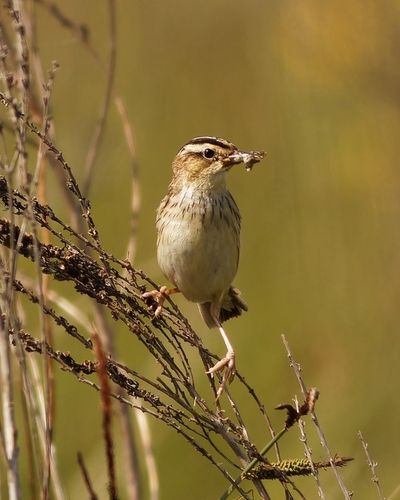
ハシボソヨシキリ (Acrocephalus paludicola) ハシボソヨシキリ
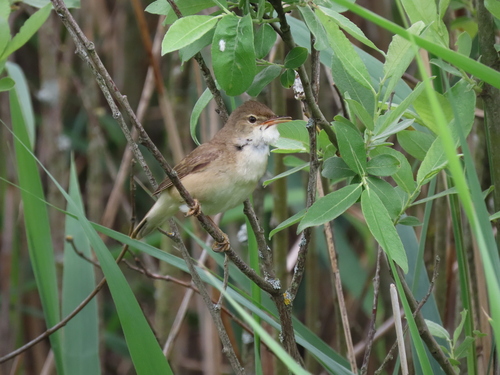
ヨーロッパヨシキリ (Acrocephalus scirpaceus) ヨーロッパヨシキリ

メディア

読み込み中…

要点

ハシボソヨシキリとヨーロッパヨシキリを区別する最も信頼できるフィールドマークは、ハシボソヨシキリの頭部と背中に強い暗い縞模様があることで、目立つ淡い頭部の縞と眉斑が含まれ、これはヨーロッパヨシキリにはありません。幼鳥のハシボソヨシキリは特に特徴的で、尖った尾の外観と上部の大胆な縞模様を持っていますが、幼鳥のヨーロッパヨシキリは縞模様がなく、下部は暖かいバフ色です。両種は中型のアクロセファルス属のヨシキリで、構造は似ていますが、ハシボソヨシキリは特に飛行中により淡く、模様が多く見えます。声、 habitat、微妙なサイズの違いも役立ちますが、縞模様と頭部の模様が最も実用的なフィールドマークです。

識別のコツ

  1. Crown and back streaking: ハシボソヨシキリは全ての年齢(幼鳥の下部を除く)で、頭部と背中に強い暗い縞模様を示し、目立つ淡い頭部の縞があります。ヨーロッパヨシキリは常に平坦で、上部に縞模様がありません。
  2. Supercilium: ハシボソヨシキリは、縞模様のある頭部に対して目立つ白っぽい眉斑を持っています。ヨーロッパヨシキリの眉斑は弱く、対照的ではありません。
  3. Juvenile underparts: 幼鳥のハシボソヨシキリは下部に縞模様がありませんが、上部の強い縞模様と頭部の縞は示しています。幼鳥のヨーロッパヨシキリは下部がより豊かなバフ色ですが、上部は平坦です。
  4. Overall coloration: ハシボソヨシキリは特に飛行中により淡く、模様が多く見えますが、ヨーロッパヨシキリは暖かい茶色で均一です。
  5. Tail shape in flight: ハシボソヨシキリは尖った尾に見え、特に飛行中は少し短い尾に見えることがあります。ヨーロッパヨシキリの尾はより丸く、特徴が少ないです。
  6. Bill and head shape: 両種ともに強く尖ったくちばしと平らな額を持っていますが、ハシボソヨシキリは頭部の縞のために少し鋭く見えるかもしれません。
  7. Habitat context: 繁殖期には、ハシボソヨシキリは短く開けたスゲの群生地に見られ、高いヨシの中にはほとんどいません。ヨーロッパヨシキリは密で高いヨシの群生地を好みます。
  8. Abundance: ハシボソヨシキリは非常に珍しく、特に移動外では局所的です。西ヨーロッパで見られた場合、ヨーロッパヨシキリの方がはるかに可能性が高いです。
  9. Song: ハシボソヨシキリの歌は速く、機械的であり、ヨーロッパヨシキリの歌は遅く、模倣を含みます。両者は変動があるため注意が必要です。
  10. Sexes: 両種は性別的に単形であり、識別に性別を使用しないでください。
  11. Size: ハシボソヨシキリはわずかに軽いですが、サイズの重なりが大きく、フィールドでは信頼できません。
  12. Pitfalls: 幼鳥のヨーロッパヨシキリは下部が淡く見えることがありますが、決して縞模様や頭部の縞を示しません。幼鳥のスゲヨシキリ(このペアには含まれません)は淡い頭部の縞を示すことがありますが、顔はより暖かいトーンで模様が多いです。
  13. Flight views: 短い飛行の視界では、ハシボソヨシキリの淡く、尖った尾の縞模様の外観と、ヨーロッパヨシキリの平坦で暖かい茶色を見てください。
  14. Perched views: 頭部と背中の模様に焦点を当ててください。縞模様と淡い頭部の縞はハシボソヨシキリを指し示します。
  15. Season: 両種はヨーロッパを移動しますが、ハシボソヨシキリは非常に珍しく、特に西ヨーロッパの夏の終わり/秋の移動で見られる可能性が高いです。

大きさ

ハシボソヨシキリはヨーロッパヨシキリ(12.0g)よりわずかに軽い(10.5g)ですが、両者は中型のヨシキリで、手に持ったり距離から見たりすると似て見えることがあります。長さと構造はフィールドでは信頼できる診断基準ではありませんが、ハシボソヨシキリは少し尖った尾に見えるかもしれません。サイズだけでは安全な区別にはなりません。

羽色

幼鳥と成鳥のハシボソヨシキリは、茶色の背中に重い暗い縞模様と大胆な淡い頭部の縞を示し、強い白っぽい眉斑を持っています。この縞模様は、若い鳥の下部を除く全ての年齢の上部と頭部に存在します。対照的に、全ての年齢のヨーロッパヨシキリは平坦で上部に縞模様がなく、均一な茶色の背中と頭部の縞がありません。幼鳥は下部がより豊かなバフ色ですが、縞模様や頭部の模様はありません。飛行中、ハシボソヨシキリはより淡く、模様が多く見え、尖った尾の印象を持つことがありますが、ヨーロッパヨシキリは全体的に平坦で暖かい茶色です。両種の性別は同一です。

行動

両種は似たような行動をし、湿った植生の中で隠れたり、ヨシやスゲの中を登ったりすることがよくあります。ハシボソヨシキリはより落ち着きがないように見えることがあり、ヨーロッパヨシキリが好む密なヨシの群生地に比べて、より短くまばらなスゲの群生地でよく見られます。ハシボソヨシキリは飛行中に尖った尾に見え、より活発に見えることがありますが、行動の違いは微妙で、羽毛と組み合わせて使用するのが最良です。

生息環境

ハシボソヨシキリは短い植生(通常30cm未満)の湿ったスゲの群生地で繁殖し、しばしばより開けた湿地帯に見られます。ヨーロッパヨシキリは、特に高いPhragmitesの群生地を好みます。両者は移動中に重なることがありますが、ハシボソヨシキリは非常に珍しく、特に繁殖期には生息地が制限されています。短く開けたスゲで見られた場合、ハシボソヨシキリの方が可能性が高く、高く密なヨシの中ではヨーロッパヨシキリが優勢です。

声

ハシボソヨシキリの歌は速く、チャタリングの「ジャジャジャ」で、アクロセファリンのホイッスルを伴います。一方、ヨーロッパヨシキリは遅く、チャタリングの「ジットジットジット」を歌い、同様のホイッスルといくつかの模倣を含みます。両者は変動があり、混乱を招くことがありますが、ハシボソヨシキリの歌は一般的に速く、より機械的です。呼び声はフィールドで信頼できる区別はできません。

より良い説明を送る

比較と同じ項目を使ってください。文章はすぐに公開されます。

The most reliable field mark to separate Aquatic Warbler from Common Reed Warbler is the presence of strong dark streaking on the Aquatic Warbler's crown and back, including a prominent pale crown stripe and supercilium, which are absent in Common Reed Warbler. Juvenile Aquatic Warblers are especially distinctive, with a spiky-tailed look and bold streaking above, while juvenile Common Reed Warblers are unstreaked and warmer buff below. Both species are medium-sized Acrocephalus warblers with similar structure, but Aquatic Warbler appears paler and more patterned, especially in flight. Voice, habitat, and subtle size differences can help, but streaking and crown pattern are the most practical field marks.

  1. Crown and back streaking: Aquatic Warbler of all ages (except underparts of juveniles) shows strong dark streaking on the crown and back, with a prominent pale crown stripe. Common Reed Warbler is always plain and unstreaked above, with no crown stripe.
  2. Supercilium: Aquatic Warbler has a bold, whitish supercilium that stands out against the streaked crown. Common Reed Warbler's supercilium is weaker and less contrasting.
  3. Juvenile underparts: Juvenile Aquatic Warblers are unstreaked below, but still show the strong upperpart streaking and crown stripe. Juvenile Common Reed Warblers are richer buff below, but remain plain above.
  4. Overall coloration: Aquatic Warbler appears paler and more patterned, especially in flight, while Common Reed Warbler is warmer brown and uniform.
  5. Tail shape in flight: Aquatic Warbler can look spiky-tailed and slightly shorter-tailed, especially when flying. Common Reed Warbler's tail is more rounded and less distinctive.
  6. Bill and head shape: Both have strong, pointed bills and flattened foreheads, but Aquatic Warbler may appear slightly sharper-headed due to the crown stripe.
  7. Habitat context: In breeding season, Aquatic Warbler is found in short, open sedge beds, rarely in tall reeds. Common Reed Warbler prefers dense, tall reedbeds.
  8. Abundance: Aquatic Warbler is much rarer and highly localized, especially outside migration. If seen in western Europe, Common Reed Warbler is far more likely.
  9. Song: Aquatic Warbler's song is faster and more mechanical; Common Reed Warbler's is slower and includes mimicry. Use with caution, as both can be variable.
  10. Sexes: Both species are sexually monomorphic; do not use sex for identification.
  11. Size: Aquatic Warbler is slightly lighter, but size overlap is great and not reliable in the field.
  12. Pitfalls: Juvenile Common Reed Warbler can look pale below, but never shows streaking or a crown stripe. Juvenile Sedge Warbler (not in this pair) can show a faint crown stripe but is warmer-toned and more patterned on the face.
  13. Flight views: In brief flight views, look for the pale, spiky-tailed, streaked appearance of Aquatic Warbler versus the plain, warm brown of Common Reed Warbler.
  14. Perched views: Focus on the crown and back pattern; streaking and a pale crown stripe point to Aquatic Warbler.
  15. Season: Both migrate through Europe, but Aquatic Warbler is much rarer and more likely in late summer/autumn migration in western Europe.

Aquatic Warbler is slightly lighter (10.5g) than Common Reed Warbler (12.0g) [wikidata], but both are medium-sized warblers and can appear similar in the hand or at a distance. Length and structure are not reliably diagnostic in the field, though Aquatic Warbler may look a bit spikier-tailed. Size alone is not a safe separator.

Juvenile and adult Aquatic Warblers show heavy dark streaking on the brown back and a bold pale crown stripe, with a strong whitish supercilium. This streaking is present on the upperparts and crown in all ages except for the underparts of young birds, which are unstreaked below. In contrast, Common Reed Warbler of all ages is plain and unstreaked above, with a uniform brown back and no crown stripe; juveniles are richer buff below but lack any streaking or crown pattern. In flight, Aquatic Warbler can look paler and more patterned, with a spiky tail impression, while Common Reed Warbler is overall plainer and warmer brown. Sexes are identical in both species.

Both species behave similarly, often skulking in wet vegetation and climbing through reeds or sedges. Aquatic Warbler may appear more restless and is often seen in shorter, sparser sedge beds compared to the denser reedbeds favored by Common Reed Warbler. Aquatic Warbler can look spikier-tailed and more active in flight, but behavioral differences are subtle and best used in combination with plumage.

Aquatic Warbler breeds in wet sedge beds with short vegetation (usually under 30 cm), often in more open, marshy areas. Common Reed Warbler prefers denser reedbeds, especially stands of tall Phragmites. While both can overlap in migration, Aquatic Warbler is much rarer and more habitat-restricted, especially in breeding season. If seen in short, open sedge, Aquatic Warbler is more likely; in tall, dense reeds, Common Reed Warbler dominates.

Aquatic Warbler's song is a fast, chattering 'ja-ja-ja' with acrocephaline whistles, while Common Reed Warbler sings a slower, chattering 'jit-jit-jit' with similar whistles and some mimicry. Both are variable and can be confusing, but Aquatic Warbler's song is generally faster and more mechanical. Calls are not reliably separated in the field.

変更を破棄しますか?

保存していない編集があります。今離れると失われます。

ハシボソヨシキリ · ヨーロッパヨシキリ · 苦手な鳥