

Motmot

アンデスフラミンゴ 対 コバシフラミンゴ

Phoenicoparrus andinus 対 Phoenicoparrus jamesi

アンデスフラミンゴとコバシフラミンゴのクイズ
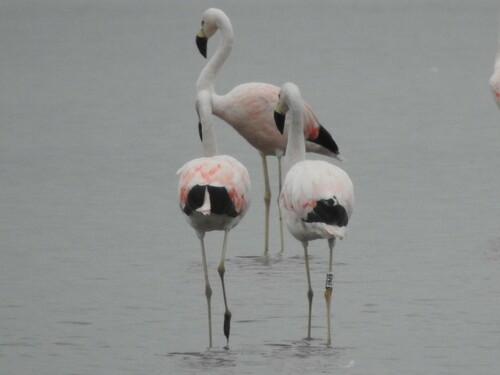
アンデスフラミンゴ (Phoenicoparrus andinus) アンデスフラミンゴ
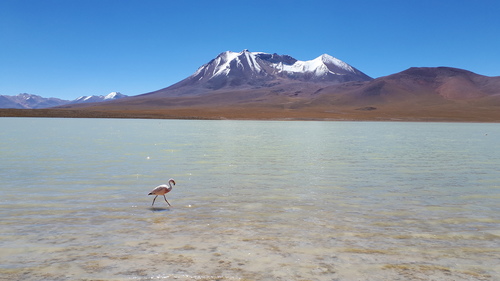
コバシフラミンゴ (Phoenicoparrus jamesi) コバシフラミンゴ

メディア

読み込み中…

要点

アンデスフラミンゴとコバシフラミンゴを区別する最も信頼性の高いフィールドマークは脚の色です:アンデスフラミンゴは黄色の脚を持ち、コバシフラミンゴはレンガ色の脚を示します。飛行中または静止中に、アンデスフラミンゴはコバシフラミンゴよりも翼に大きくて大胆な黒い三角形(黒い一次羽と二次羽から)を示します。コバシフラミンゴは止まっているときにわずかに黒が見えるだけです。アンデスフラミンゴは著しく大きく、重く、主に黒い深く、より下向きのくちばしを持っており、コバシフラミンゴは小さく、軽く、先端が黒い明るい黄色のくちばしを持っています。両種は全体的に淡いピンクですが、アンデスフラミンゴは下部の首と胸により明るいピンクを持ち、コバシフラミンゴはカーマインの筋が入ったより淡い色合いです。幼鳥のアンデスフラミンゴは均一に淡い灰色で、若いコバシフラミンゴは灰色または白ですが、両方とも成鳥のピンクの色調は欠けています。これらの2種はしばしば一緒に見られるため、脚の色とくちばしのパターンに注意を払うことが重要です。

識別のコツ

  1. 脚の色は最も信頼性の高いフィールドマークです:アンデスフラミンゴは黄色の脚を持ち、コバシフラミンゴはレンガ色の脚を持っています。これは飛行中と立っているときの両方で見えます。
  2. サイズ:アンデスフラミンゴはコバシフラミンゴよりもはるかに大きく、がっしりとしています。混合群では、アンデスフラミンゴはコバシフラミンゴの上にそびえ立っています。
  3. くちばしの形と色:アンデスフラミンゴのくちばしはより深く、下向きで、主に黒で、基部は淡い黄色です。コバシフラミンゴは明るい黄色で黒い先端を持つ、より細く短いくちばしを持っています。
  4. 飛行中と静止中の翼のパターン:アンデスフラミンゴは閉じた翼に大胆で広範な黒い三角形(黒い一次羽と二次羽)を示し、止まっているときや飛んでいるときに簡単に見えます。コバシフラミンゴは止まっているときに翼にわずかに黒が見えるだけです。
  5. 羽毛の色調:アンデスフラミンゴは全体的に淡いピンクですが、下部の首、胸、翼の覆羽により明るいピンクがあります。体の残りはほぼ白く見えることがあります。コバシフラミンゴは非常に淡いピンクで、首と背中にカーマインの筋があります。
  6. 幼鳥の羽毛:幼鳥のアンデスフラミンゴは均一に淡い灰色(時には頭/首がより暗い)で、覆羽と肩羽には暗い茶色の中心があります。幼鳥のコバシフラミンゴは灰色または白で、2〜3歳になるまでピンクの色調はありません。どちらも難しい場合がありますが、アンデスフラミンゴのより暗い色調と茶色がかった覆羽が助けになるかもしれません。
  7. 足:両方とも3本の指を持ち、後ろの指(ハルクス)が欠けており、他のフラミンゴとは区別されますが、互いには区別されません。
  8. 目の周り:コバシフラミンゴは目の周りに明るい赤い皮膚と大人の黄色い虹彩を持っています。これはアンデスフラミンゴではあまり目立ちません。
  9. 頭と首の色:アンデスフラミンゴの頭と上部の首は体の残りよりも明るいピンクですが、下部の首と胸ほど明るくはありません。コバシフラミンゴは首の周りにカーマインの筋があります。
  10. くちばしの深さ:アンデスフラミンゴのくちばしは明らかに深く、より頑丈で、特に下顎で、コバシフラミンゴの細いくちばしと比較されます。
  11. 文脈:両種は同じ生息地でしばしば一緒に見られるため、場所だけに頼らないでください。
  12. 性別:どちらの種でも羽毛やサイズに性的二形は見られないため、すべてのマークは両性に適用されます。
  13. 季節:どちらの種でもフィールドマークに強い季節的変動は記載されていませんが、換羽のタイミングがピンクの色調の明るさに影響を与える可能性があります。
  14. 落とし穴:光が悪いと脚の色を判断するのが難しい場合があります。サイズ、くちばし、翼のパターンに頼ってください。未熟な鳥は特に混乱を招くことがあります—灰色/茶色の色調と構造の微妙な違いを探してください。
  15. 混合群:両種が存在する場合、サイズ、脚の色、くちばしのパターンを直接比較してください—これらが最も一貫した区別要因です。

大きさ

アンデスフラミンゴはアンデスで最も大きなフラミンゴで、高さは1〜1.4 m、体重は1.5〜4.9 kg、翼幅は1.4〜1.6 mです [wikipedia]。コバシフラミンゴははるかに小さく、高さは約90〜92 cm、体重は約2 kgです [wikipedia]。フィールドでは、アンデスフラミンゴはより高く、重い体を持ち、よりがっしりとしており、より繊細で細いコバシフラミンゴの隣に立つと目立ちます。

羽色

幼鳥のアンデスフラミンゴは均一に淡い灰色で、時には頭と首がより暗い色合いを持ち、覆羽と肩羽には暗い茶色の中心があります。幼鳥のコバシフラミンゴは灰色または白で、2〜3年後にのみピンクの色調を獲得します。成鳥では、アンデスフラミンゴは全体的に淡いピンクですが、下部の首、胸、翼の覆羽にはより明るいピンクがあります。頭と上部の首も明るいピンクですが、下部の首ほど強烈ではありません。体の残りはほぼ白く見えることがあります。飛行中の鍵は、閉じた翼に大胆で広範な黒い三角形(黒い一次羽と二次羽)で、これはコバシフラミンゴよりもはるかに目立ちます。コバシフラミンゴの成鳥は非常に淡いピンクで、首と背中に明るいカーマインの筋があります。止まっているとき、翼(飛行羽)にはわずかに黒が見えるだけで、アンデスフラミンゴの大きな黒い三角形は見えません。両方ともハルクスがない3本指の足を持っていますが、脚の色は診断的です:アンデスフラミンゴは黄色、コバシフラミンゴはレンガ色です。くちばしの色も異なります:アンデスフラミンゴのくちばしは基部が淡い黄色ですが主に黒で、コバシフラミンゴは明るい黄色で黒い先端を持っています。

行動

両種はフィルターフィーダーであり、しばしば浅い塩分のあるアンデス湖で一緒に餌を探します。アンデスフラミンゴは最も柔軟な採餌パターンを持ち、グループ化された種(コバシフラミンゴまたはチリフラミンゴ)の採餌スタイルを採用することがあります。コバシフラミンゴは長く柔軟な首を持ち、同様の採餌行動を示します。フィールドでの区別のための情報源には、主要な行動の違いは記載されていません。

生息環境

両種はペルー、チリ、ボリビア、北西アルゼンチンの高地アンデス高原と塩湖に生息しています。彼らはしばしば混合群で一緒に見られます。生息地は両者の間で信頼できる区別要因ではありません。

より良い説明を送る

比較と同じ項目を使ってください。文章はすぐに公開されます。

The most reliable field mark to separate Andean Flamingo from James's Flamingo is leg color: Andean Flamingo has yellow legs, while James's Flamingo shows brick red legs. In flight or at rest, Andean Flamingo also shows a much larger and bolder black triangle on the wing (from the black primaries and secondaries) than James's, where only a small amount of black is visible when perched. Andean Flamingo is notably larger and heavier, with a deeper, more downcurved bill that is mostly black, compared to the smaller, lighter James's Flamingo with a bright yellow bill tipped black. Both species are pale pink overall, but Andean Flamingo has brighter pink on the lower neck and chest, while James's is paler with carmine streaks. Juvenile Andean Flamingos are uniformly pale gray, while young James's are gray or white, but both lack the adult pink tones. The two species often occur together, so careful attention to leg color and bill pattern is essential.

  1. Leg color is the most reliable field mark: Andean Flamingo has yellow legs, while James's Flamingo has brick red legs. This is visible both in flight and when standing.
  2. Size: Andean Flamingo is much larger and bulkier than James's Flamingo. In mixed flocks, Andean towers over James's.
  3. Bill shape and color: Andean Flamingo's bill is deeper, more downcurved, and mostly black with only the base pale yellow. James's Flamingo has a thinner, shorter bill that is bright yellow with a black tip.
  4. Wing pattern in flight and at rest: Andean Flamingo shows a bold, extensive black triangle on the closed wing (black primaries and secondaries), easily visible when perched or flying. James's Flamingo shows only a small amount of black in the wings when perched.
  5. Plumage tone: Andean Flamingo is pale pink overall, but with much brighter pink on the lower neck, breast, and wing coverts; the rest of the body can appear almost white. James's Flamingo is very pale pink with carmine streaks around the neck and back.
  6. Juvenile plumage: Juvenile Andean Flamingos are uniformly pale gray (sometimes duskier on the head/neck), with darker brown centers to coverts and scapulars. Juvenile James's Flamingos are gray or white, lacking pink until 2–3 years old. Both can be tricky, but Andean's duskier tones and brownish coverts may help.
  7. Feet: Both have three toes and lack a hallux (rear toe), which separates them from other flamingos, but not from each other.
  8. Eye region: James's Flamingo has bright red skin around the eyes and yellow irises in adults. This is less prominent in Andean Flamingo.
  9. Head and neck color: Andean Flamingo's head and upper neck are brighter pink than the rest of the body, but never as bright as the lower neck and breast. James's Flamingo shows carmine streaks around the neck.
  10. Bill depth: Andean Flamingo's bill is noticeably deeper and more robust, especially at the lower mandible, compared to the slender bill of James's Flamingo.
  11. Context: Both species often occur together in the same habitat, so do not rely on location alone.
  12. Sexes: No sexual dimorphism in plumage or size is noted for either species, so all marks apply to both sexes.
  13. Season: No strong seasonal variation in field marks is described for either species, but molt timing may affect brightness of pink tones.
  14. Pitfalls: In poor light, leg color may be hard to judge; rely on size, bill, and wing pattern as backup. Immature birds can be especially confusing—look for subtle differences in gray/brown tones and structure.
  15. Mixed flocks: When both species are present, compare individuals directly for size, leg color, and bill pattern—these are the most consistent separators.

Andean Flamingo is the largest flamingo in the Andes, standing 1–1.4 m tall and weighing 1.5–4.9 kg, with a wingspan of 1.4–1.6 m [wikipedia]. James's Flamingo is much smaller, about 90–92 cm tall and around 2 kg in weight [wikipedia]. In the field, Andean Flamingo will appear taller, heavier-bodied, and bulkier next to the more delicate, slender James's Flamingo.

Juvenile Andean Flamingos are uniformly pale gray, sometimes duskier on the head and neck, with darker brown centers to coverts and scapulars. Juvenile James's Flamingos are gray or white, acquiring pink tones only after 2–3 years. In adults, Andean Flamingo is overall pale pink, but with much brighter pink on the lower neck, breast, and wing coverts; the head and upper neck are also brighter pink but never as intense as the lower neck. The rest of the body can appear almost white. The key in flight is the bold, extensive black triangle on the closed wing (from black primaries and secondaries), which is much more prominent than in James's Flamingo. James's Flamingo adults are very pale pink with bright carmine streaks around the neck and on the back. When perched, only a small amount of black is visible in the wings (flight feathers), not the large black triangle of Andean. Both have three-toed feet with no hallux, but leg color is diagnostic: yellow in Andean, brick red in James's. Bill color also differs: Andean's bill is pale yellow at the base but mostly black, while James's is bright yellow with a black tip.

Both species are filter feeders, often foraging together in shallow, salty Andean lakes. Andean Flamingo has the most flexible foraging pattern and may adopt the feeding style of whichever species it is grouped with (James's or Chilean). James's Flamingo has a long, flexible neck and similar feeding behaviors. No major behavioral differences are noted in the sources for field separation.

Both species inhabit high-altitude Andean plateaus and saline lakes of Peru, Chile, Bolivia, and northwest Argentina. They often occur together in mixed flocks. Habitat is not a reliable separator between the two.

変更を破棄しますか?

保存していない編集があります。今離れると失われます。

アンデスフラミンゴ · コバシフラミンゴ · 苦手な鳥