

Motmot

アムールサンコウチョウ 対 カワリサンコウチョウ

Terpsiphone incei 対 Terpsiphone paradisi

アムールサンコウチョウとカワリサンコウチョウのクイズ
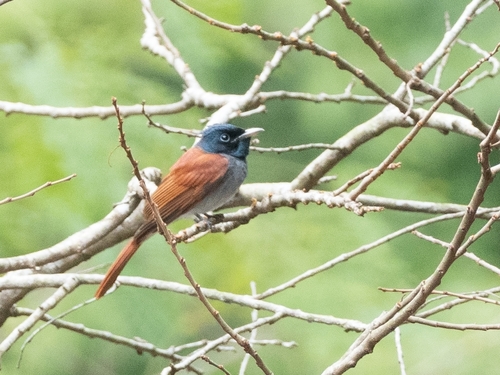
アムールサンコウチョウ (Terpsiphone incei) アムールサンコウチョウ
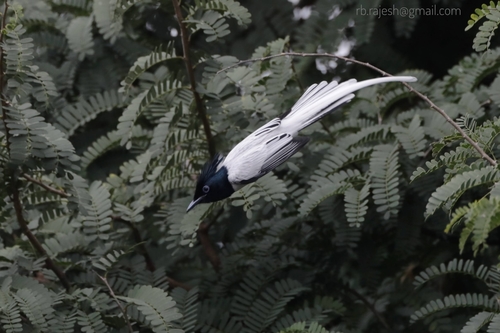
カワリサンコウチョウ (Terpsiphone paradisi) カワリサンコウチョウ

メディア

読み込み中…

要点

アムールサンコウチョウとカワリサンコウチョウの間で最も信頼できるフィールドマークは、成鳥のオスにおける頭部と下部の色彩の組み合わせです:アムールのオスは黒いフード、白い下部、青いアイリングを持ち、カワリのオスはより多様性があり、赤褐色または白い上部と一貫性のない白い下部を示します。両種とも成鳥のオスには長い尾のストリーマーがあることがありますが、赤褐色と白のオスの色の形と頻度は地理的に異なります。雌と幼鳥は特に難しく、両者とも上部は赤褐色で暗い頭を持ちますが、喉と下部の色の微妙な違い、青いアイリングの有無が助けになります。分布は強い手がかりです:アムールは北東アジアで繁殖し、南東アジアで越冬しますが、カワリはインド亜大陸と中央アジアの一部で定住または移動します。

識別のコツ

  1. Adult male head and underparts: アムールのオスは常に黒いフード、白い下部、青いアイリングを示します;カワリのオスは光沢のある黒い頭を持ちますが、上部は赤褐色または白であり、下部は常に白ではありません。成鳥のオスの止まり木や近くの観察に使用してください。
  2. Tail streamer color and length: 両種とも成鳥のオスには非常に長い中央尾羽があることがありますが、アムールの尾は体長の2倍まで達することがあり、最も長いカワリのオスに匹敵します。尾の長さだけでは診断にはなりません。
  3. Upperpart color in males: アムールのオスは2つの形(赤褐色または白の上部)がありますが、常に白い下部と黒いフードを持ちます。カワリのオスはより変動があり、赤褐色、白、または中間の上部を持ち、白の形態の頻度は分布の南東に向かって増加します。
  4. Shaft streaks on wings and tail: カワリサンコウチョウの白い形態のオスは、しばしば翼と尾に黒いシャフトのストリークと黒いエッジを示します;赤褐色の形態にはこれがありません。アムールについてはあまり記述されていませんが、白い鳥に役立つかもしれません。
  5. Female and immature plumage: 両種の雌は上部が赤褐色ですが、カワリの雌は灰色がかった喉と下部を持ち、アムールの雌はより白い下部を持つ可能性があります。これは微妙で、他のマークと組み合わせて使用するのが最適です。
  6. Eye-ring color: 青いアイリングは成鳥のアムールのオスと若いカワリのオスに目立ちますが、カワリの雌ではそれほど明白ではありません。よく見える場合、明るい青いアイリングはアムールを支持しますが、独占的ではありません。
  7. Throat color in young males: 若いカワリのオスは黒い喉と青いアイリングを持ち、若いアムールのオスの喉の色はあまり文書化されていませんが、あまりはっきりとした黒ではないかもしれません。
  8. Geographic range: アムールは北東アジアで繁殖し、南東アジアで越冬します;カワリはインド亜大陸と中央アジアの一部で定住または移動します。範囲外の記録は注意して扱うべきです。
  9. Habitat context: アムールは繁殖期に温帯林を好み、カワリは森林の生息地においてより多様です。インドの都市部や乾燥した森林では、カワリの方が圧倒的に可能性が高いです。
  10. Behavior: 両者は昆虫を捕まえるために止まり木から飛び出します;カワリは時々獲物を岩に叩きつけてから食べることで知られていますが、これはアムールでは文書化されていません。
  11. Flight views: どちらの種にも特有の上翼パターンや飛行マークは記述されていません;飛行中の識別は尾の長さ(成鳥のオス)と全体の色に依存します。
  12. Sex and age pitfalls: 雌と幼鳥は最も分けるのが難しいです;微妙な喉と下部の色、アイリング、分布に焦点を当ててください。
  13. Plumage intermediates: カワリサンコウチョウは赤褐色と白の形態の間により多くの中間体を示します、特にインドと中国では;アムールはその形態においてより一貫しています。
  14. Seasonal timing: アムールは南東アジアには冬だけ存在します;カワリは定住または夏の繁殖者です。観察のタイミングは手がかりになることがあります。
  15. Voice: 利用可能なメモには記述されていません;分離のために声に依存しないでください。

大きさ

両種は全体のサイズが似ており、カワリサンコウチョウの成鳥は体長が19〜22 cmで、尾のストリーマーの長さは変動します(オスでは最大30 cm)[wikipedia]。繁殖羽毛のアムールサンコウチョウのオスは、体の長さの2倍の尾を持つことがあり、これは最も長いカワリのオスに匹敵します。両種の雌は短い尾を持っています。フィールドでそれらを分けるための一貫したサイズの違いはありません。

羽色

両種の幼鳥と未成熟な鳥は上部が赤褐色で暗い頭を持ち、視覚的に分けるのが難しいです。成鳥の場合、アムールサンコウチョウのオスは常に黒いフード、白い下部、青いアイリングを持ち、上部が赤褐色か白かにかかわらずそうです。カワリサンコウチョウの成鳥のオスはより変動があり、一部は明るい赤褐色、他は白、そして多くは中間であり、各形態の頻度は地理によって異なります。赤褐色のカワリのオスは翼と尾に黒いシャフトのストリークがありませんが、白い形態はこれらの羽に黒いシャフトのストリークと黒いエッジを示すことがあります。両種の雌は上部が赤褐色ですが、カワリの雌は灰色がかった喉と下部を持ち、アムールの雌はあまりよく記述されていませんが、より白い下部を持つ可能性があります。若いカワリのオスは雌に似ていますが、黒い喉と青いアイリングを持ち、2年目または3年目に長い尾を獲得します。青いアイリングはアムールの重要な特徴であり、成鳥のオスと若いオスに存在しますが、カワリの若いオスにも見られることがあります。要約すると、成鳥のオスのアムールはより一貫して黒いフードと白い腹を持ち、カワリのオスはより変動があり、しばしば上部が赤褐色です。

行動

両種は活発なフライキャッチャーであり、止まり木から飛び出して空中で昆虫を捕まえます。カワリサンコウチョウは時々獲物を岩に叩きつけてから食べることで知られていますが、これはアムールでは文書化されていません。両種は通常、中層から上層の樹冠で餌を探し、葉の間を飛び回ったり、昆虫を追いかけて短い飛行をするのが見られます。飛行スタイルと一般的な行動は非常に似ており、信頼できる診断にはなりません。

生息環境

アムールサンコウチョウは中国北東部とロシア極東の温帯林で繁殖し、南東アジアに越冬します。カワリサンコウチョウはインド亜大陸全体のより広い範囲の森林生息地に見られ、森林、林、よく植えられた庭などが含まれ、場所によって定住または移動します。移動中や冬に中国や南東アジアの一部で重複が可能ですが、ほとんどの分布範囲では、生息地と地理が同定の強い手がかりです。

より良い説明を送る

比較と同じ項目を使ってください。文章はすぐに公開されます。

The most reliable field mark between Amur Paradise-Flycatcher and Indian Paradise-Flycatcher is the combination of head and underpart coloration in adult males: Amur males have a black hood, white underparts, and blue eye-rings, while Indian males show more variation, with either rufous or white upperparts and less consistently white underparts. Both species can have long tail streamers in adult males, but the color forms and frequency of rufous versus white males differ geographically. Females and immatures are especially tricky, as both are rufous above with dark heads, but subtle differences in throat and underpart color, and the presence or absence of blue eye-rings, can help. Range is a strong clue: Amur breeds in northeast Asia and winters in Southeast Asia, while Indian is resident or migratory across the Indian subcontinent and parts of Central Asia.

  1. Adult male head and underparts: Amur males always show a black hood, white underparts, and blue eye-rings; Indian males have a glossy black head but can be rufous or white above, and underparts are not always white. Use this for perched or close views of adult males.
  2. Tail streamer color and length: Both species can have very long central tail feathers in adult males, but Amur's tail can be up to twice the body length, matching the longest Indian males. Tail length alone is not diagnostic.
  3. Upperpart color in males: Amur males come in two forms (rufous or white upperparts), but always have white underparts and black hoods. Indian males are more variable, with rufous, white, or intermediate upperparts, and the frequency of white morphs increases towards the southeast of their range.
  4. Shaft streaks on wings and tail: In Indian Paradise-Flycatcher, white morph males often show black shaft streaks and black edges on the wings and tail; rufous morphs lack these. This is less well described for Amur, but may help in white birds.
  5. Female and immature plumage: Both species' females are rufous above, but Indian females have a greyish throat and underparts, while Amur females may have whiter underparts. This is subtle and best used in combination with other marks.
  6. Eye-ring color: Blue eye-rings are prominent in adult male Amur and in young Indian males, but are not as obvious in Indian females. If seen well, a bright blue eye-ring supports Amur, but is not exclusive.
  7. Throat color in young males: Young Indian males have a black throat and blue eye-ring, while young Amur males' throat color is less well documented but may be less distinctly black.
  8. Geographic range: Amur breeds in northeast Asia and winters in Southeast Asia; Indian is resident or migratory across the Indian subcontinent and parts of Central Asia. Out of range records should be treated with caution.
  9. Habitat context: Amur prefers temperate forests in breeding season, Indian is more catholic in wooded habitats. In urban or dry woodland in India, Indian is vastly more likely.
  10. Behavior: Both sally for insects; Indian is noted for beating prey on rocks, but this is rarely observed and not diagnostic.
  11. Flight views: No distinctive upperwing pattern or flight mark is described for either species; separation in flight relies on tail length (in adult males) and overall coloration.
  12. Sex and age pitfalls: Females and immatures are the hardest to separate; focus on subtle throat and underpart color, eye-ring, and range.
  13. Plumage intermediates: Indian Paradise-Flycatcher shows more intermediates between rufous and white morphs, especially in India and China; Amur is more consistent in its forms.
  14. Seasonal timing: Amur is present in Southeast Asia only in winter; Indian is resident or a summer breeder. Timing of observation can be a clue.
  15. Voice: Not described in the available notes; do not rely on vocalizations for separation.

Both species are similar in overall size, with Indian Paradise-Flycatcher adults measuring 19–22 cm in body length and having variable tail streamer length (up to 30 cm in males) [wikipedia]. Amur Paradise-Flycatcher males in breeding plumage can have tails twice the length of the body, which is comparable to the longest Indian males. Females of both species are short-tailed. There is no consistent size difference to separate them in the field.

Juvenile and immature birds of both species are rufous above with dark heads, making them difficult to separate visually. For adults, Amur Paradise-Flycatcher males always have a black hood, white underparts, and blue eye-rings, regardless of whether their upperparts are rufous or white. Indian Paradise-Flycatcher adult males are more variable: some are bright rufous above, others are white, and many are intermediate, with the frequency of each morph depending on geography. Rufous Indian males lack black shaft streaks on the wing and tail, while white morphs may show black shaft streaks and black edges on these feathers. Females of both species are rufous above, but Indian females have a greyish throat and underparts, while Amur females are less well described but may have whiter underparts. Young Indian males resemble females but have a black throat and blue eye-rings, acquiring long tails in their second or third year. The blue eye-ring is a key feature for Amur, present in adult males and young males, but can also occur in Indian young males. In summary, adult male Amur is more consistently black-hooded and white-bellied, while Indian males are more variable and often rufous above.

Both species are active flycatchers, sallying from perches to catch insects in mid-air. Indian Paradise-Flycatcher is noted for sometimes killing prey by hitting it on a rock before eating, but this is not documented for Amur. Both species typically forage in the mid to upper canopy and can be seen flitting through foliage or making short flights after insects. Flight style and general behavior are very similar and not reliably diagnostic.

Amur Paradise-Flycatcher breeds in temperate forests of northeast China and the Russian Far East, migrating to winter in Southeast Asia. Indian Paradise-Flycatcher is found in a wider range of wooded habitats across the Indian subcontinent, including forests, groves, and well-wooded gardens, and is resident or migratory depending on location. Overlap is possible in parts of China and Southeast Asia during migration or winter, but in most of their range, habitat and geography are strong clues to identity.

変更を破棄しますか?

保存していない編集があります。今離れると失われます。

アムールサンコウチョウ · カワリサンコウチョウ · 苦手な鳥