

Motmot

アカアシチョウゲンボウ 対 ギンパラ

Falco amurensis 対 Lonchura malacca

アカアシチョウゲンボウとギンパラのクイズ
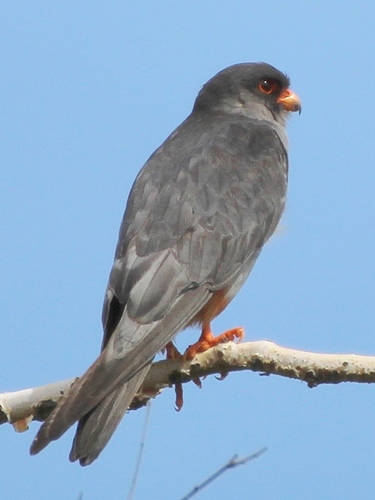
アカアシチョウゲンボウ (Falco amurensis) アカアシチョウゲンボウ
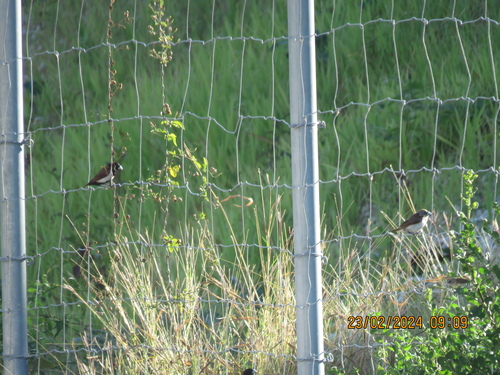
ギンパラ (Lonchura malacca) ギンパラ

メディア

読み込み中…

要点

アムールチョウゲンボウとギンパラを区別する最も信頼できるフィールドマークは全体の構造です:アムールチョウゲンボウは長く尖った翼と鉤状のくちばしを持つ小型の猛禽類であり、ギンパラは短く円錐形のくちばしとずっと短い翼を持つコンパクトな種子食のフィンチです。飛行中、アムールチョウゲンボウ(特に幼鳥)は対照的な白い翼の裏地と赤褐色の太ももを示し、ギンパラ(成鳥)は黒い頭と胸、白い腹、栗色の背中を持つ目を引く三色のパターンを示します。幼鳥の羽毛は異なります:若いアムールチョウゲンボウは淡い下翼の覆羽が欠けており、幼いギンパラは上面が無地の茶色で、下面が淡い色をしています。サイズは劇的に異なり、アムールチョウゲンボウはギンパラの10倍以上の重さです。これら二つは距離やシルエットで混同されることは少ないですが、遠くに止まっている鳥や未成熟な個体で混同が起こる可能性があります。

識別のコツ

  1. Size and structure: アムールチョウゲンボウはギンパラよりもはるかに大きく、がっしりしています。長い尾と長い翼を持つ猛禽類と、小さく丸い体のフィンチを探してください。これは、合理的な距離での最も即時の区別です。
  2. Bill shape: アムールチョウゲンボウは鉤状の猛禽類のくちばしを持っています。ギンパラは短くて厚い円錐形のフィンチのくちばしを持っています。くちばしの色はギンパラの成鳥では淡い青灰色で、雌のチョウゲンボウでは赤いろう膜です。
  3. Wing shape in flight: アムールチョウゲンボウは、止まっているときに尾を超えるか超える翼先を持つ長く尖った翼を示します。ギンパラは短く丸い翼と短い尾を持っています。
  4. Adult male plumage: オスのアムールチョウゲンボウは、赤褐色の太ももと腹、白い翼の裏地、暗い飛行羽を持つすすけた灰色です。オスのギンパラは黒い頭と胸を持ち、白い腹と栗色の背中を持っています。
  5. Adult female plumage: メスのアムールチョウゲンボウはオレンジ色の目の輪、赤いろう膜、赤褐色の足を持ち、オスよりもコントラストが少ないですが、依然として猛禽類の外観を持っています。メスのギンパラはオスに似ていますが、上尾覆羽の縁が淡いです。
  6. Juvenile/immature plumage: 幼鳥のアムールチョウゲンボウは淡い下翼の覆羽が欠けており、下面がより均一です。幼いギンパラは上面が無地の暖かい茶色で、下面が淡い色で、暗い頭や三色のパターンはありません。
  7. Underwing pattern: 飛行中、アムールチョウゲンボウ(すべての年齢)は、暗い飛行羽と対照的な白い翼の裏地を示します。ギンパラは白からクリーム色の下翼の覆羽を持っていますが、同じ強いコントラストや翼の形状はありません。
  8. Leg and foot color: メスのアムールチョウゲンボウは赤褐色の足を持っています。ギンパラは灰色の足と足を持っています。
  9. Perching behavior: アムールチョウゲンボウは高くて露出した場所(電線、裸の枝)に止まることが多いです。ギンパラは低く、しばしば密な草や葦の中に止まります。
  10. Flight style: アムールチョウゲンボウは直接的で浮力のある強力な飛行を持っています。ギンパラは短く、波打つような弱い飛行を持っています。
  11. Habitat context: アムールチョウゲンボウは開けた国で見られ、しばしば移動中に見られます。ギンパラは湿地、草原、稲作地で見られ、通常は群れで見られます。
  12. Sex differences: ギンパラの性別は似ており、メスはわずかに淡いです。アムールチョウゲンボウの性別は異なり、特に柔らかい部分の色が異なります。
  13. Confusion risk: 幼鳥のアムールチョウゲンボウは遠くから見ると無地の茶色の鳥と間違えられる可能性がありますが、構造と飛行は常に猛禽類です。幼いギンパラは他のギンパラと混同される可能性がありますが、チョウゲンボウとは混同されません。
  14. Feet and cere color: アムールチョウゲンボウだけが赤いろう膜(雌)と赤褐色の太ももを示します。ギンパラは決して示しません。
  15. No raptor features in munia: ギンパラは決して鉤状のくちばし、長い尖った翼、または赤褐色の腹を示しません。

大きさ

アムールチョウゲンボウはギンパラ(12.6g)よりもはるかに大きく重い(137.5g)です。チョウゲンボウは小型の猛禽類ですが、どのギンパラよりもはるかにがっしりしており、翼が長いです。フィールドでは、アムールチョウゲンボウの翼幅(63–71 cm)と長く尖った翼は、飛行中または止まっているときに明らかで、翼先が尾を超えるか超えます。ギンパラは小型でコンパクトなフィンチで、長さは約11.5 cmで、短く丸い翼と短い尾を持っています。距離があっても、チョウゲンボウのシルエットは猛禽類のものであり、ギンパラはスズメのように見えます。

羽色

行動

アムールチョウゲンボウは移動性の猛禽類で、開けた国や水上で昆虫を捕食するために浮かんだり滑空したりするのがよく見られ、時には移動中に大きな群れで見られます。その飛行は強力で、直接的で、浮力があり、チョウゲンボウの典型的です。ギンパラは社交的で種子を食べるフィンチで、通常は群れで見られ、草原、葦原、農地で餌を探します。その飛行はチョウゲンボウと比較して短く、波打ち、弱いもので、しばしば密な覆いの中や草の茎に止まります。チョウゲンボウは電線や露出した枝に止まっているのが見られることがありますが、ギンパラは低く隠れた止まり木を好みます。

生息環境

アムールチョウゲンボウは東アジアの開けた森林やステップで繁殖し、インドを横断して移動し、南アフリカの開けた生息地で冬を越します。密な植生や葦原ではめったに見られません。ギンパラは南アジアおよび東南アジアに自生していますが、現在は熱帯に広がり、湿地、葦原、稲作地、草地を好み、しばしば水の近くにいます。両者はインドの開けた国で見られることがありますが、チョウゲンボウは通常空中や露出した止まり木で見られ、ギンパラは密な草や作物に関連しています。

より良い説明を送る

比較と同じ項目を使ってください。文章はすぐに公開されます。

The most reliable field mark to separate Amur Falcon from Tricoloured Munia is overall structure: Amur Falcon is a small raptor with long, pointed wings and a hooked bill, while Tricoloured Munia is a compact, seed-eating finch with a short, conical bill and much shorter wings. In flight, Amur Falcon (especially juveniles) shows contrasting white wing linings and rufous thighs, while Tricoloured Munia (adults) displays a striking tricolored pattern with black head and chest, white belly, and chestnut back. Juvenile plumages differ: young Amur Falcons lack buffy underwing coverts, while juvenile munias are plain brown above and buff below. Size is dramatically different, with Amur Falcon being over ten times heavier than the munia. These two are unlikely to be confused except at a distance or in silhouette, but confusion may occur with distant perched birds or immatures.

  1. Size and structure: Amur Falcon is much larger and bulkier than Tricoloured Munia; look for a long-tailed, long-winged raptor vs. a small, round-bodied finch. This is the most immediate separation at any reasonable distance.
  2. Bill shape: Amur Falcon has a hooked, raptor bill; Tricoloured Munia has a short, thick, conical finch bill. Bill color is pale-bluish grey in munia adults, red cere in female falcons.
  3. Wing shape in flight: Amur Falcon shows long, pointed wings with wing tips reaching or extending beyond the tail when perched. Munia has short, rounded wings and a stubby tail.
  4. Adult male plumage: Male Amur Falcon is sooty grey above with rufous thighs and vent, white wing linings, and dark flight feathers. Male Tricoloured Munia is black-headed and chested, with a white belly and chestnut back.
  5. Adult female plumage: Female Amur Falcon has orange eye-ring, red cere, and reddish-orange feet, with less contrast than the male but still a raptor. Female munia is similar to male but with paler uppertail coverts.
  6. Juvenile/immature plumage: Juvenile Amur Falcon lacks buffy underwing coverts and is more uniform below; juvenile munia is plain warm brown above and buff below, with no dark head or tricolored pattern.
  7. Underwing pattern: In flight, Amur Falcon (all ages) shows white wing linings contrasting with dark flight feathers; Tricoloured Munia has white to cream underwing coverts but not the same strong contrast or wing shape.
  8. Leg and foot color: Amur Falcon females have reddish-orange feet; munias have grey legs and feet.
  9. Perching behavior: Amur Falcon often perches high and exposed (wires, bare branches); munias perch low, often in dense grass or reeds.
  10. Flight style: Amur Falcon has direct, buoyant, powerful flight; munia has short, undulating, weak flight.
  11. Habitat context: Amur Falcon is seen in open country, often during migration; munia is found in wetlands, grasslands, and rice fields, usually in flocks.
  12. Sex differences: Munia sexes are similar, with females slightly paler; Amur Falcon sexes differ, especially in soft part colors.
  13. Confusion risk: Juvenile Amur Falcon could be mistaken for a plain brown bird at distance, but structure and flight are always raptorial. Juvenile munia may be confused with other munias, not with falcons.
  14. Feet and cere color: Only Amur Falcon shows red cere (female) and rufous thighs; munia never does.
  15. No raptor features in munia: Tricoloured Munia never shows hooked bill, long pointed wings, or rufous vent.

Amur Falcon is vastly larger and heavier (137.5g) than Tricoloured Munia (12.6g). The falcon is a small raptor, but still much bulkier and longer-winged than any munia. In the field, Amur Falcon's wingspan (63–71 cm) and long, pointed wings are obvious in flight or when perched, with wing tips reaching or extending beyond the tail. Tricoloured Munia is a small, compact finch, only about 11.5 cm in length, with short, rounded wings and a stubby tail. Even at a distance, the falcon's silhouette is raptorial, while the munia appears sparrow-like.

  • Juvenile/immature birds: Juvenile Amur Falcons lack buffy underwing coverts (unlike similar Red-footed Falcon), and show a more uniform underwing. Juvenile Tricoloured Munias are warm brown above and buff below, lacking the dark head and tricolored pattern of adults; they may resemble other juvenile munias but not a falcon.

  • Adult males: Amur Falcon males are dark sooty grey above with rufous thighs and vent, white wing linings (contrasting with dark flight feathers), and long pointed wings. Tricoloured Munia adults have a black head, throat, and chest, white belly and flanks, and chestnut upperparts, with dark brown flight feathers and white to cream underwing coverts.

  • Adult females: Female Amur Falcons have orange eye-rings, red cere, and reddish-orange feet, with less contrast than males but still raptorial in appearance. Female munias are similar to males but with paler fringes on the uppertail coverts.

  • In flight: Amur Falcon shows long, pointed wings with white linings and rufous vent; Tricoloured Munia has short, rounded wings and a compact, undulating flight, with no raptor-like features.

Amur Falcon is a migratory raptor, often seen soaring, gliding, or actively hunting insects in open country or over water, sometimes in large flocks during migration. Its flight is powerful, direct, and buoyant, typical of falcons. Tricoloured Munia is a gregarious, seed-eating finch, usually seen in flocks, feeding in grasslands, reedbeds, or agricultural fields. Its flight is short, undulating, and weak compared to the falcon, and it often perches in dense cover or on grass stems. The falcon may be seen perched on wires or exposed branches, while munias prefer low, concealed perches.

Amur Falcon breeds in open woodlands and steppe in East Asia, migrates across India, and winters in open habitats in southern Africa. It is rarely found in dense vegetation or reedbeds. Tricoloured Munia is native to South and Southeast Asia but is now widespread in the tropics, favoring wetlands, reedbeds, rice fields, and grassy areas, often near water. While both may occur in open country in India, the falcon is usually seen in the sky or on exposed perches, while the munia is associated with dense grasses or crops.

変更を破棄しますか?

保存していない編集があります。今離れると失われます。

アカアシチョウゲンボウ · ギンパラ · 苦手な鳥