

Motmot

アメリカヤマシギ 対 ハイイロヒレアシシギ

Scolopax minor 対 Phalaropus fulicarius

アメリカヤマシギとハイイロヒレアシシギのクイズ
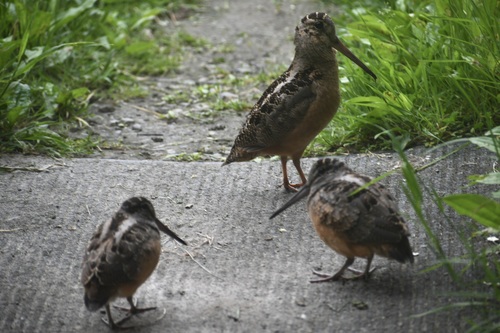
アメリカヤマシギ (Scolopax minor) アメリカヤマシギ
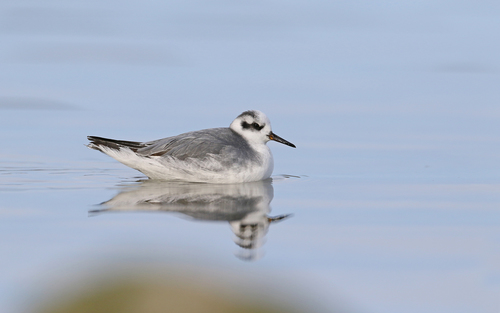
ハイイロヒレアシシギ (Phalaropus fulicarius) ハイイロヒレアシシギ

メディア

読み込み中…

要点

アメリカヤマシギとハイイロヒレアシシギを区別する最も信頼できるフィールドマークは、全体の構造とくちばしの形です:アメリカヤマシギは、非常に長く、太く、まっすぐなくちばしを持つ、ふっくらとした丸い体の鳥であり、ハイイロヒレアシシギは、よりスリムで、短く、細いくちばしを持ち、非繁殖羽衣では対照的な暗いアイパッチを示すことがよくあります。飛行中、アメリカヤマシギは広い翼と短い尾を持っているように見えますが、ハイイロヒレアシシギはよりコンパクトで浮力があり、泳いでいるのがよく見られます。幼鳥と冬のハイイロヒレアシシギは、アメリカヤマシギが決して示さない明確な暗い目のストライプまたはアイパッチを持っています。生息地も強い手がかりです:アメリカヤマシギは、密な茂みや若い森林の地面に見られ、ハイイロヒレアシシギはほとんど常に開けた水域や湿った沿岸地域で見られます。

識別のコツ

  1. Bill shape and length: アメリカヤマシギは非常に長く、太く、まっすぐなくちばし(6 cm以上)を持ち、ハイイロヒレアシシギのくちばしははるかに短く、細く、冬には全て黒です。これは年齢や季節に関係なく信頼できます。
  2. Body structure: アメリカヤマシギはふっくらとした丸い体を持ち、大きく丸い頭と短い首を持っています;ハイイロヒレアシギはスリムでコンパクト、全体的により繊細です。
  3. Face pattern (juvenile/winter): ハイイロヒレアシシギ(全ての非繁殖年齢)は、淡い顔に強い暗いアイパッチまたは目のストライプを示します;アメリカヤマシギは顔のマスクを示さず、代わりに大きな目が高く、頭の後ろに位置する平坦で隠れた顔を持っています。
  4. Plumage color: アメリカヤマシギは常にアーストーン(茶色、黒、灰色)で、強くカモフラージュされており、白や赤はありません;ハイイロヒレアシシギは冬/幼鳥では下が白、上が淡い灰色で、繁殖期の雌は下が赤で頬が白です。
  5. Wing and tail in flight: アメリカヤマシギは広く丸い翼と短い尾を持ち、ずんぐりとした鈍い外観を与えます;ハイイロヒレアシシギは狭い翼を持ち、より流線型でコンパクトな外観です。
  6. Legs: アメリカヤマシギは短い脚を持ち、通常は体の羽毛に隠れています;ハイイロヒレアシシギは長く、見える脚を持ち、特に泳いでいるときに指が分かれています。
  7. Habitat: アメリカヤマシギは密な茂みや若い森林の地面に見られ、決して開けた水域にはいません;ハイイロヒレアシシギはほとんど常に泳いでいるか開けた水域に見られ、陸上にはほとんどいません、特に高い北極の繁殖地を除いて。
  8. Behavior: アメリカヤマシギはゆっくり歩き、しばしば前後に揺れます;ハイイロヒレアシシギは活発に泳ぎ、しばしば狭い円を描いて回転します。
  9. Voice: アメリカヤマシギはブザー音の「ピーン」とツイッター音の飛行ディスプレイを出します;ハイイロヒレアシシギは短い「ビーク」を出しますが、ほとんど静かで、近距離でないと聞こえません。
  10. Sexual dimorphism: 繁殖期には、雌のハイイロヒレアシシギは明るく(下が赤、頬が白)なりますが、アメリカヤマシギの性別はサイズを除いて似ています。
  11. Size: アメリカヤマシギはハイイロヒレアシシギよりも大きく重いですが、大きな雌のハイイロヒレアシギと小さな雄のアメリカヤマシギとの重複に注意が必要です。
  12. Context: 鳥が開けた水域で群れを成している場合、ほぼ確実にハイイロヒレアシシギです;茂みや森林の中で一羽だけの場合、アメリカヤマシギです。
  13. Head shape: アメリカヤマシギの頭は大きく丸く、目は遠くに位置しています;ハイイロヒレアシシギの頭は小さく、より比例しています。
  14. Feeding style: アメリカヤマシギは土壌を掘ってミミズを探します;ハイイロヒレアシシギは表面の昆虫をついばんだり、水中の獲物をかき混ぜるために回転します。
  15. Flight style: アメリカヤマシギは重く、ジグザグに低く;ハイイロヒレアシシギは浮力があり、直接的で、しばしば群れで飛びます。

大きさ

アメリカヤマシギは大きく重く、長さ25〜30 cm、翼幅42〜48 cm、体重140〜230 gです [wikipedia]。ハイイロヒレアシシギは約21 cmの長さでより繊細な体型です [wikipedia]。アメリカヤマシギは明らかにずんぐりしており、丸みを帯びた大きな頭と太い体を持っていますが、ハイイロヒレアシシギはスリムでコンパクトです。アメリカヤマシギのくちばしはハイイロヒレアシシギの短く、細いくちばしよりもはるかに長く(6.4〜7.1 cm)て頑丈です。

羽色

幼鳥と冬のハイイロヒレアシシギは上が淡い灰色で下が白、目を通る特徴的な暗い斑点または明確な黒いアイパッチを持ち、冬には黒いくちばしを持っています [wikipedia]。幼鳥のアメリカヤマシギは顔のマスクを持たず、代わりに大きく丸い頭と強い顔のパターンを持たない暗い茶色、黒、灰色のカモフラージュを示します。すべての羽衣において、アメリカヤマシギはアーストーンで強くカモフラージュされており、落ち葉と混ざりますが、ハイイロヒレアシシギは常に下がきれいな白で、冬には上が滑らかな淡い灰色です。繁殖期には、雌のハイイロヒレアシシギは下が鮮やかな赤で頬が白く、上が暗いですが、アメリカヤマシギは羽衣に赤や白を示すことはありません。飛行中、アメリカヤマシギは広く丸い翼と短い尾を示し、対照的な翼のパネルや後縁はありませんが、ハイイロヒレアシシギは狭い翼を持ち、よりコンパクトな輪郭を持っています。アメリカヤマシギのどの年齢も暗い目のストライプやアイパッチを示すことはありません。

行動

アメリカヤマシギはほぼ常に地面をゆっくり歩いているのが見られ、しばしば採餌中に体を前後に揺らします [wikipedia]。開けた水域ではめったに見られず、非常に優れたカモフラージュを持ち、静止して検出を避けることに依存しています。ハイイロヒレアシシギは通常、開けた水域で泳いでいるのが見られ、しばしば食べ物をかき混ぜるために急速に狭い円を描いて回転し、はるかに近づきやすく、活発です。飛行中、アメリカヤマシギは重く、地面の上を低くジグザグに飛びますが、ハイイロヒレアシシギは浮力があり、直接的で、しばしば水上で群れを成して飛びます。

生息環境

生息地は強い区別要因です:アメリカヤマシギは地面の茂みや若い森林の生息地に見られ、開けた水域からはしばしば遠くにいます [wikipedia]。ハイイロヒレアシシギは北極のツンドラで繁殖しますが、移動中や冬には開けた水域、海、湖、沿岸の湿地で最もよく見られます。鳥が泳いでいるか開けた水域に見られる場合、ほぼ確実にハイイロヒレアシシギです;茂みや森林の奥深くにいる場合はアメリカヤマシギです。

声

アメリカヤマシギの雄は地面から短いブザー音の「ピーン」と、ディスプレイ飛行中に液体のようなツイッター音の歌を出し、時には翼からのツイッター音を伴います [wikipedia]。ハイイロヒレアシシギは短い「ビーク」の声を持っていますが、一般的には静かで、近距離でないと聞こえません。アメリカヤマシギのディスプレイ音はユニークで、ハイイロヒレアシシギとは一致しません。

より良い説明を送る

比較と同じ項目を使ってください。文章はすぐに公開されます。

The most reliable field mark to separate American Woodcock from Grey (Red) Phalarope is overall structure and bill shape: woodcock is a plump, round-bodied bird with a very long, thick, straight bill, while Grey Phalarope is slimmer, with a shorter, finer bill and often shows a contrasting dark eyepatch in non-breeding plumage. In flight, woodcock appears broad-winged and short-tailed, while phalarope is more compact and buoyant, often seen swimming. Juvenile and winter Grey Phalarope have a distinct dark eye-stripe or eyepatch, which American Woodcock never shows. Habitat is also a strong clue: woodcock is found on the ground in dense brush or young forest, while phalarope is almost always seen on open water or wet coastal areas.

  1. Bill shape and length: Woodcock has a very long, thick, straight bill (over 6 cm), while Grey Phalarope's bill is much shorter, finer, and in winter is all black. This is reliable at any age or season.
  2. Body structure: Woodcock is plump, round-bodied, with a large, rounded head and short neck; phalarope is slim, compact, and more delicate overall.
  3. Face pattern (juvenile/winter): Grey Phalarope (all non-breeding ages) shows a strong dark eyepatch or eye-stripe on a pale face; woodcock never shows a facial mask, instead has a plain, cryptic face with large eyes set high and back on the head.
  4. Plumage color: Woodcock is always earth-toned (brown, black, gray), heavily camouflaged, with no white or red; Grey Phalarope is white below and pale grey above in winter/juvenile, and breeding females are red below with white cheeks.
  5. Wing and tail in flight: Woodcock has broad, rounded wings and a short tail, giving a chunky, blunt appearance; phalarope has narrower wings and a more streamlined, compact look.
  6. Legs: Woodcock has short legs, usually hidden by body feathers; phalarope has longer, visible legs with lobed toes, especially when swimming.
  7. Habitat: Woodcock is found on the ground in dense brush or young forest, never on open water; phalarope is almost always seen swimming or on open water, rarely on land except at high Arctic breeding sites.
  8. Behavior: Woodcock walks slowly, often rocking back and forth; phalarope swims actively, often spinning in tight circles.
  9. Voice: Woodcock gives a buzzy 'peent' and a twittering flight display; phalarope gives a short 'beek' but is mostly silent.
  10. Sexual dimorphism: In breeding season, female Grey Phalarope is brighter (red below, white cheeks), but woodcock sexes are similar except for size.
  11. Size: Woodcock is larger and heavier than phalarope, but beware overlap with large female phalaropes and small male woodcocks.
  12. Context: If the bird is in a flock on open water, it is almost certainly a phalarope; if alone in brush or woodland, it is a woodcock.
  13. Head shape: Woodcock's head is large and rounded, with eyes set far back; phalarope's head is smaller and more proportional.
  14. Feeding style: Woodcock probes in soil for earthworms; phalarope picks at surface insects or spins to stir up prey in water.
  15. Flight style: Woodcock is heavy, zigzagging, and low; phalarope is buoyant, direct, and often in groups.

American Woodcock is larger and heavier, measuring 25–30 cm in length with a wingspan of 42–48 cm and weighing 140–230 g [wikipedia]. Grey Phalarope is smaller at about 21 cm in length [wikipedia], with a more delicate build. Woodcock is noticeably bulkier and rounder, with a disproportionately large head and thick body, while phalarope is slim and compact. The woodcock's bill is much longer (6.4–7.1 cm) and stouter than the phalarope's shorter, finer bill.

Juvenile and winter Grey Phalarope are pale grey above and white below, with a distinctive dark patch through the eye or a clear black eyepatch, and a black bill in winter [wikipedia]. Juvenile woodcock lacks any facial mask, instead showing cryptic brown, black, and gray camouflage with a large, rounded head and no strong face pattern. In all plumages, woodcock is earth-toned and heavily camouflaged, blending with leaf litter, while phalarope is always clean white below and, in winter, smooth pale grey above. In breeding season, female Grey Phalarope is strikingly red below with white cheeks and dark above, but American Woodcock never shows any red or white in its plumage. In flight, woodcock shows broad, rounded wings and a short tail, with no contrasting wing panels or trailing edges, while phalarope has narrower wings and a more compact outline. No age of woodcock ever shows a dark eye-stripe or eyepatch.

American Woodcock is almost always seen walking slowly on the ground, often rocking its body back and forth while foraging [wikipedia]. It is rarely seen in open water and is extremely well-camouflaged, relying on stillness to avoid detection. Grey Phalarope is typically found swimming on open water, often spinning rapidly in tight circles to stir up food, and is much more approachable and active. In flight, woodcock is heavy and zigzags low over the ground, while phalarope is buoyant and direct, often flying in flocks over water.

Habitat is a strong separator: American Woodcock is found in brushy, young-forest habitats on the ground, often far from open water [wikipedia]. Grey Phalarope breeds in Arctic tundra but is most often seen in migration or winter on open water, including the ocean, lakes, and coastal wetlands. If the bird is seen swimming or on open water, it is almost certainly a phalarope; if deep in brush or woodland, it is a woodcock.

American Woodcock males give a short, buzzy 'peent' call from the ground and a liquid, chirping song during display flights, sometimes with a twittering sound from the wings [wikipedia]. Grey Phalarope has a short 'beek' call, but is generally quiet and not often heard unless at close range. Woodcock's display sounds are unique and not matched by phalarope.

変更を破棄しますか?

保存していない編集があります。今離れると失われます。

アメリカヤマシギ · ハイイロヒレアシシギ · 苦手な鳥