

Motmot

アメリカミユビゲラ 対 セグロミユビゲラ

Picoides dorsalis 対 Picoides arcticus

アメリカミユビゲラとセグロミユビゲラのクイズ
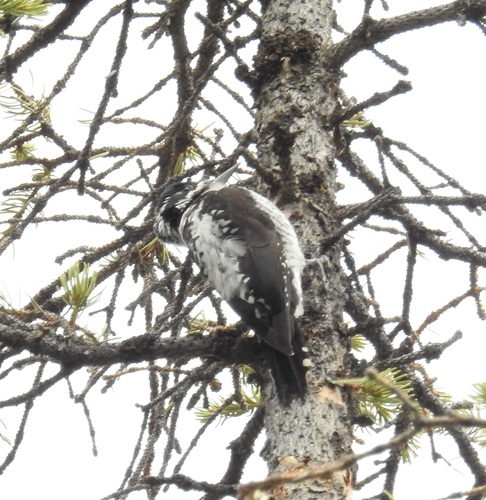
アメリカミユビゲラ (Picoides dorsalis) アメリカミユビゲラ
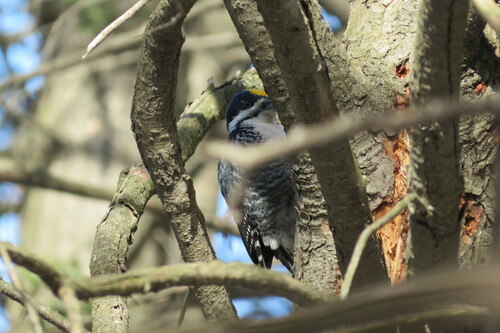
セグロミユビゲラ (Picoides arcticus) セグロミユビゲラ

メディア

読み込み中…

要点

アメリカミユビゲラとセグロミユビゲラは非常に似ており、特に成鳥の羽色においてはそうですが、背中の色や微妙なサイズの違いに注意を払うことで助けになります。最も信頼できるフィールドマークは背中です:セグロミユビゲラは固体の黒い背中を示し、アメリカミユビゲラは黒と白の縞模様の背中を持っています。両種は成鳥のオスに三本の足と黄色の冠の斑点を持っているため、これらの特徴は区別には役立ちません。サイズはわずかに異なり、セグロミユビゲラの方がわずかに大きく、重いです。フィールドでは、特に素早いまたは遠くからの視界では混乱が予想されるため、可能な限り背中の模様を優先してください。

識別のコツ

  1. 背中の模様が最も信頼できるフィールドマークです: アメリカミユビゲラは常に背中に黒と白の縞模様を示し、セグロミユビゲラは固体の黒い背中を持っています。これはすべての年齢と性別に当てはまります。
  2. 尾の模様は微妙に異なります: アメリカミユビゲラの白い外尾羽は黒で縞模様があり、セグロミユビゲラの尾羽は単色の白です。尾が広げられない限り、これを見るのは難しい場合があります。
  3. 冠の斑点は役に立ちません: 両方の成鳥のオスは黄色の冠の斑点を持っていますが、メスは両種ともに持っていません。区別には冠の色に頼らないでください。
  4. 腹部と側面は似ています: 両種は白い腹部と黒の縞模様のある側面を持っています。これは区別には役立ちません。
  5. 頭、翼、尾は両方とも黒です: これらの部分は種を区別するのに役立ちません。
  6. サイズはわずかに異なります: セグロミユビゲラはわずかに大きく、重いですが、これは鳥が並んでいない限り明らかではありません。
  7. 構造は似ています: 両方とも三本の足を持ち(北アメリカのキツツキの中で唯一の例外)、似たような比率を持っています。
  8. 幼鳥と未成熟の羽色: 特徴的な幼鳥や未成熟の上翼または飛行パターンの違いは記載されていません;背中の模様はすべての年齢での重要なマークです。
  9. 生息地の重複: 両種は最近焼かれたまたは害虫に侵された森林など、似たような針葉樹の生息地に生息しています。生息地だけで同定を行わないでください。
  10. 行動は診断的ではありません: 採餌スタイルと動きはほぼ同じです。
  11. 声は区別の要素として記載されていません: 提供された情報源には特徴的な声の違いは記載されていません。
  12. 性差は最小限です: オスの黄色の冠の斑点だけがメスと異なりますが、種間では異なりません。
  13. 最大寿命は似ています: フィールドマークではありませんが、アメリカミユビゲラは最大6年生きることが知られています。
  14. 疑わしい場合は、背中の模様を優先してください: 視界が短いまたは遠い場合は、背中をできるだけ見るようにしてください—これが唯一の一貫して信頼できるフィールドマークです。
  15. マークが見えない場合: 背中が見えない場合、確信を持って同定することはできないかもしれません;サイズや生息地だけに基づいて推測するのは避けてください。

大きさ

両種は中型のキツツキですが、セグロミユビゲラは全体的にわずかに大きいです。アメリカミユビゲラは長さ21〜23 cm、重さ52〜58.3 g、翼幅は37〜39 cmです。セグロミユビゲラは約23 cmの長さで、重さは60〜88 g、翼幅は40〜42 cmです。違いは微妙で、フィールドでは診断的ではありませんが、セグロミユビゲラは並んで見た場合、少し大きく見えるかもしれません。

羽色

最も有用な羽色の違いは、すべての羽色における背中の模様です:アメリカミユビゲラは黒と白の縞模様の背中を持ち、セグロミユビゲラの背中は固体の黒です。両種は黒い頭、翼、尾、白い腹部、黒い縞模様のある白い側面を持っています。尾の模様は似ており、黒い中央の羽と白い外羽があります(アメリカミユビゲラの外尾羽は黒で縞模様があり、セグロミユビゲラの外尾羽は単色の白です)。両種の成鳥のオスは黄色の冠の斑点を持っているため、これは区別には役立ちません。情報源には年齢特有の上翼や飛行パターンの違いは記載されていないため、背中の模様はすべての年齢と季節における重要なマークです。

行動

両種は針葉樹の樹皮を登って昆虫を探すことで採餌します。特に最近焼かれたまたは害虫に侵された森林で見られます。彼らの採餌行動と動きは非常に似ており、どちらの種も特に樹上性または地上性ではありません。両方とも食物の入手可能性に応じて局所的に移動することがありますが、これは信頼できるフィールドマークではありません。

生息環境

両種は北アメリカの針葉樹林に生息し、しばしば範囲と生息地が重なります。両方とも、森林火災や洪水の後のように、大量の枯れたまたは衰弱した木がある場所に引き寄せられます。アメリカミユビゲラは、範囲が重なる場所でセグロミユビゲラに置き換えられることがありますが、生息地だけでは信頼できる区別にはなりません。

より良い説明を送る

比較と同じ項目を使ってください。文章はすぐに公開されます。

American Three-toed and Black-backed Woodpeckers are extremely similar, especially in adult plumage, but careful attention to back color and subtle size differences can help. The most reliable field mark is the back: Black-backed Woodpecker shows a solid black back, while American Three-toed has a back with black and white barring. Both species have three toes and a yellow crown patch on adult males, so these features are not helpful for separation. Size is only slightly different, with Black-backed being marginally larger and heavier. In the field, expect confusion—especially with quick or distant views—so prioritize the back pattern when possible.

  1. Back pattern is the most reliable field mark: American Three-toed Woodpecker always shows black and white barring on the back, while Black-backed Woodpecker has a solid black back. This is true for all ages and sexes.
  2. Tail pattern is subtly different: American Three-toed's white outer tail feathers are barred with black, while Black-backed's are plain white. This can be hard to see unless the tail is spread.
  3. Crown patch is not useful: Both adult males have a yellow crown patch; females lack it in both species. Do not rely on crown color for separation.
  4. Underparts and flanks are similar: Both species have white underparts and flanks with black barring. This is not helpful for separation.
  5. Head, wings, and rump are black in both: These areas do not help distinguish the species.
  6. Size is only marginally different: Black-backed is slightly larger and heavier, but this is rarely obvious unless birds are side-by-side.
  7. Structure is similar: Both have three toes (unique among North American woodpeckers except for each other) and similar proportions.
  8. Juvenile and immature plumages: No distinctive juvenile or immature upperwing or flight pattern differences are described; back pattern remains the key mark at all ages.
  9. Habitat overlap: Both species occur in similar coniferous habitats, especially in recently burned or infested forests. Do not use habitat alone for identification.
  10. Behavior is not diagnostic: Foraging style and movements are nearly identical.
  11. Voice is not described as a separator: No distinctive vocal differences are noted in the sources provided.
  12. Sexual dimorphism is minimal: Only the yellow crown patch on males is different from females, but not between species.
  13. Maximum lifespan is similar: Not a field mark, but American Three-toed is noted to live up to 6 years.
  14. If in doubt, prioritize the back pattern: When views are brief or distant, do your best to see the back—this is the only consistently reliable field mark.
  15. When marks are not visible: If the back is not seen, identification may not be possible with confidence; avoid guessing based on size or habitat alone.

Both species are medium-sized woodpeckers, but Black-backed Woodpecker is slightly larger overall. American Three-toed Woodpecker measures 21–23 cm in length and weighs 52–58.3 g, with a wingspan of 37–39 cm. Black-backed Woodpecker is about 23 cm long, weighs 60–88 g, and has a wingspan of 40–42 cm. The difference is subtle and rarely diagnostic in the field, but Black-backed may appear a bit bulkier and longer-winged if seen side-by-side.

The single most useful plumage difference is the back pattern in all plumages: American Three-toed Woodpecker has a back with black and white barring, while Black-backed Woodpecker's back is solid black. Both species have black heads, wings, and rumps, white underparts, and white flanks with black bars. The tail pattern is similar, with black central feathers and white outer feathers (American Three-toed's outer tail feathers are barred with black, while Black-backed's are plain white). Adult males of both species have a yellow crown patch, so this is not useful for separation. No age-specific upperwing or flight pattern differences are described in the sources, so the back pattern is the key mark for all ages and seasons.

Both species forage by scaling bark on conifers for insects, especially in recently burned or insect-infested forests. Their foraging behavior and movements are very similar, and neither species is notably more arboreal or terrestrial. Both may move locally in response to food availability, but this is not a reliable field mark.

Both species inhabit coniferous forests of North America, often overlapping in range and habitat. Both are attracted to areas with large numbers of dead or dying trees, such as after forest fires or flooding. American Three-toed Woodpecker may be displaced by Black-backed Woodpecker where their ranges overlap, but habitat alone is not a reliable separator.

変更を破棄しますか?

保存していない編集があります。今離れると失われます。

アメリカミユビゲラ · セグロミユビゲラ · 苦手な鳥