

American Three-toed Woodpecker vs Black-backed Woodpecker
Picoides dorsalis contro Picoides arcticus
Fai un quiz con American Three-toed Woodpecker e Black-backed Woodpecker
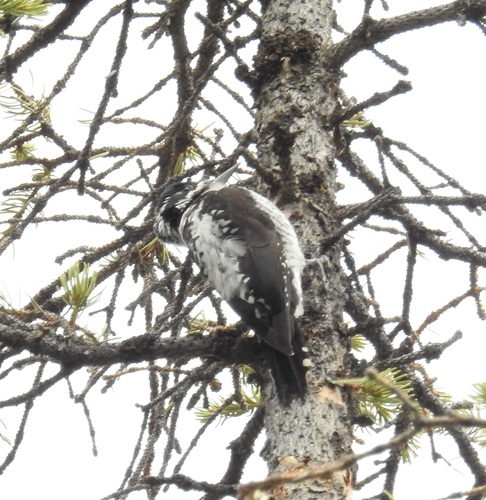 American Three-toed Woodpecker
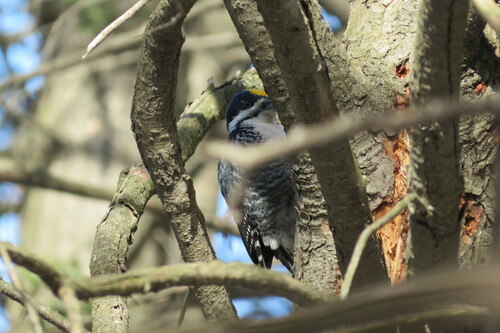 Black-backed Woodpecker
In breve
American Three-toed e Black-backed Woodpeckers sono estremamente simili, specialmente nel piumaggio adulto, ma un'attenta attenzione al colore della schiena e alle sottili differenze di dimensioni può aiutare. Il segno di campo più affidabile è la schiena: il Black-backed Woodpecker mostra una schiena nera solida, mentre l'American Three-toed ha una schiena con barre nere e bianche. Entrambe le specie hanno tre dita e una macchia gialla sulla corona nei maschi adulti, quindi queste caratteristiche non sono utili per la separazione. Le dimensioni sono solo leggermente diverse, con il Black-backed che è marginalmente più grande e pesante. Sul campo, aspettati confusione—specialmente con viste rapide o distanti—quindi dai priorità al motivo della schiena quando possibile.
Consigli di identificazione
- Il motivo della schiena è il segno di campo più affidabile: L'American Three-toed Woodpecker mostra sempre barre nere e bianche sulla schiena, mentre il Black-backed Woodpecker ha una schiena nera solida. Questo è vero per tutte le età e i sessi.
- Il motivo della coda è leggermente diverso: Le piume esterne bianche della coda dell'American Three-toed sono barrate di nero, mentre quelle del Black-backed sono bianche semplici. Questo può essere difficile da vedere a meno che la coda non sia aperta.
- La macchia sulla corona non è utile: Entrambi i maschi adulti hanno una macchia gialla sulla corona; le femmine non ce l'hanno in entrambe le specie. Non fare affidamento sul colore della corona per la separazione.
- Le parti inferiori e i fianchi sono simili: Entrambe le specie hanno parti inferiori bianche e fianchi con barre nere. Questo non è utile per la separazione.
- Testa, ali e groppa sono nere in entrambe: Queste aree non aiutano a distinguere le specie.
- Le dimensioni sono solo marginalmente diverse: Il Black-backed è leggermente più grande e pesante, ma questo è raramente ovvio a meno che gli uccelli non siano affiancati.
- La struttura è simile: Entrambi hanno tre dita (unico tra i picchi nordamericani tranne che tra di loro) e proporzioni simili.
- Piumaggi giovanili e immaturi: Non sono descritte differenze distintive nei motivi delle ali superiori o nei modelli di volo per i giovanili o immaturi; il motivo della schiena rimane il segno chiave a tutte le età.
- Sovrapposizione dell'habitat: Entrambe le specie si trovano in habitat conifere simili, specialmente in foreste recentemente bruciate o infestate. Non usare l'habitat da solo per l'identificazione.
- Il comportamento non è diagnostico: Lo stile di foraggiamento e i movimenti sono quasi identici.
- La voce non è descritta come separatrice: Non sono notate differenze vocali distintive nelle fonti fornite.
- Il dimorfismo sessuale è minimo: Solo la macchia gialla sulla corona nei maschi è diversa dalle femmine, ma non tra le specie.
- La durata massima della vita è simile: Non è un segno di campo, ma si nota che l'American Three-toed vive fino a 6 anni.
- Se hai dubbi, dai priorità al motivo della schiena: Quando le viste sono brevi o distanti, fai del tuo meglio per vedere la schiena—questo è l'unico segno di campo costantemente affidabile.
- Quando i segni non sono visibili: Se la schiena non è vista, l'identificazione potrebbe non essere possibile con fiducia; evita di indovinare basandoti solo su dimensioni o habitat.
Taglia
Entrambe le specie sono picchi di dimensioni medie, ma il Black-backed Woodpecker è leggermente più grande nel complesso. L'American Three-toed Woodpecker misura 21–23 cm di lunghezza e pesa 52–58,3 g, con un'apertura alare di 37–39 cm. Il Black-backed Woodpecker è lungo circa 23 cm, pesa 60–88 g e ha un'apertura alare di 40–42 cm. La differenza è sottile e raramente diagnostica sul campo, ma il Black-backed può apparire un po' più robusto e con ali più lunghe se visto affiancato.
Piumaggio
La differenza di piumaggio più utile è il motivo della schiena in tutti i piumaggi: l'American Three-toed Woodpecker ha una schiena con barre nere e bianche, mentre la schiena del Black-backed Woodpecker è nera solida. Entrambe le specie hanno teste, ali e gropponi neri, parti inferiori bianche e fianchi bianchi con barre nere. Il motivo della coda è simile, con piume centrali nere e piume esterne bianche (le piume esterne della coda dell'American Three-toed sono barrate di nero, mentre quelle del Black-backed sono bianche semplici). I maschi adulti di entrambe le specie hanno una macchia gialla sulla corona, quindi questo non è utile per la separazione. Non sono descritte differenze specifiche per età nei motivi delle ali superiori o nei modelli di volo nelle fonti, quindi il motivo della schiena è il segno chiave per tutte le età e stagioni.
Comportamento
Entrambe le specie si nutrono scalando la corteccia delle conifere per cercare insetti, specialmente in foreste recentemente bruciate o infestate da insetti. Il loro comportamento di foraggiamento e i movimenti sono molto simili, e nessuna delle due specie è notevolmente più arborea o terrestre. Entrambe possono muoversi localmente in risposta alla disponibilità di cibo, ma questo non è un segno di campo affidabile.
Habitat
Entrambe le specie abitano le foreste conifere del Nord America, sovrapponendosi spesso in gamma e habitat. Entrambe sono attratte da aree con un gran numero di alberi morti o morenti, come dopo incendi forestali o inondazioni. L'American Three-toed Woodpecker può essere sostituito dal Black-backed Woodpecker dove le loro gamme si sovrappongono, ma l'habitat da solo non è un separatore affidabile.
American Three-toed Woodpecker · Black-backed Woodpecker · I miei uccelli difficili