

Motmot

アメリカバン 対 アメリカムラサキバン

Gallinula galeata 対 Porphyrio martinica

アメリカバンとアメリカムラサキバンのクイズ
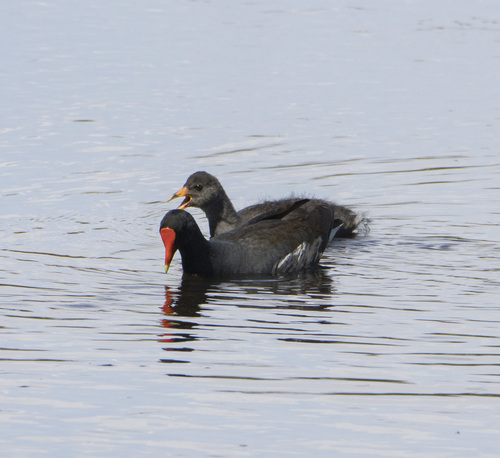
アメリカバン (Gallinula galeata) アメリカバン
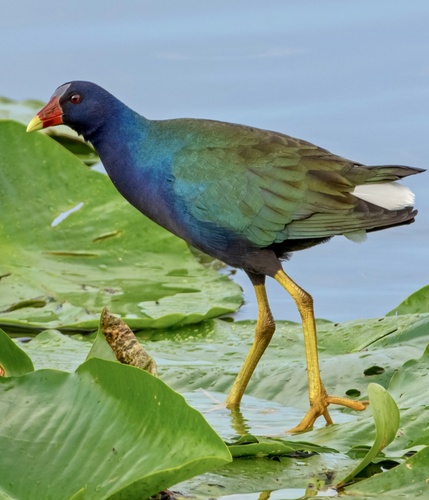
アメリカムラサキバン (Porphyrio martinica) アメリカムラサキバン

メディア

読み込み中…

要点

アメリカバンとアメリカムラサキバンの最も信頼できるフィールドマークは、額のシールドの色と形です:アメリカバンは明るい赤のシールドを示し、アメリカムラサキバンは成鳥で淡い青のシールドを持っています。未熟な鳥は混乱を招くことがありますが、アメリカムラサキバンの未熟な個体は茶色と青銅色で淡いシールドを持ち、若いアメリカバンはより茶色で色のついたシールドがありません。すべての年齢において、アメリカムラサキバンの成鳥は緑とターコイズの虹色を持つ目を引く紫青の体を持ち、アメリカバンは主に暗い灰色で白い尾羽と黄色い脚を持っています。くちばしの色と脚の色も役立ちますが、照明や年齢の影響に注意してください。

識別のコツ

  1. Forehead Shield Color (all ages): 成鳥のアメリカバンはくちばしの上に明るい赤のシールドを示し、アメリカムラサキバンの成鳥は淡い青のシールドを持っています。未熟なアメリカムラサキバンは淡いシールドを持ち、若いアメリカバンは色のついたシールドが全くありません。
  2. Bill Pattern (adults): アメリカバンのくちばしは赤で先端が黄色で、赤のシールドと一致します;アメリカムラサキバンのくちばしは赤で先端が黄色ですが、淡い青のシールドに繋がっており、赤ではありません。
  3. Leg Color (adults): 両種とも成鳥では黄色の脚を持っていますが、アメリカムラサキバンの脚は特に明るい黄色で、つま先まで伸びているのに対し、アメリカバンの脚は鈍い色合いのことがあります。
  4. Plumage Color (adults): アメリカムラサキバンは良い光の下で緑とターコイズの虹色を持つ紫青の体を持ち、アメリカバンは暗い灰色がかった黒で、虹色はなく、白い尾羽だけです。
  5. Plumage Color (immatures/juveniles): 未熟なアメリカムラサキバンは茶色と青銅色で胸に少し紫があり、翼や背中に緑青銅色があります;アメリカバンの若い個体は茶色がかっていますが、青銅色や紫の色合いはありません。
  6. Undertail Pattern: 両者は白い尾羽の覆羽を持っていますが、これは両者の間での診断にはなりません。
  7. Flight Behavior: アメリカムラサキバンはしばしば脚をぶら下げて飛びます;アメリカバンの飛行はより直接的で、脚がぶら下がることは少ないです。
  8. Structure/Jizz: アメリカバンはずんぐりして重い;アメリカムラサキバンはより細身で繊細で、特に首とくちばしにおいてそうです。
  9. Habitat: 両種は湿地や沼地に生息していますが、アメリカムラサキバンは浮遊植物の上を歩いたり、葦の間を登ったりするのがより一般的です。
  10. Vocalization: アメリカバンはうがいのような鳴き声やシューという音を出します;アメリカムラサキバンの鳴き声はここでは説明されていないので、声に頼って区別しないでください。
  11. Lighting Effects: 照明が悪いと、アメリカムラサキバンの色は薄暗く見えることがあるので、体の色だけに頼らず、シールドとくちばしを確認してください。
  12. Seasonal Variation: 両種ともその範囲の大部分で年間を通じて存在しますが、アメリカバンは水が凍る地域から移動します。
  13. Pitfalls: 未熟なアメリカムラサキバンは茶色がかった色と淡いシールドのためにアメリカバンと混同されることがあります;青銅色や緑の色合いとシールドの色を探してください。
  14. Geographic Context: 両種は広く重なっていますが、アメリカムラサキバンは漂流しやすく、予期しない場所に現れることがあります。
  15. Behavioral Cues: アメリカムラサキバンは植物の上を登ったりバランスを取ったりしているのが見られることが多いですが、アメリカバンは水辺で泳いだり歩いたりしているのがより一般的です。

大きさ

両種は全体の長さが似ています(アメリカバン:32–35 cm;アメリカムラサキバン:26–37 cm)が、アメリカバンは一般的に重くてずんぐりしています(310–456 g、直接的にはリストされていませんが範囲から推測されます、対してアメリカムラサキバンの平均は236 g [wikidata])。翼幅は似ています(アメリカバン:54–62 cm;アメリカムラサキバン:50–61 cm)。フィールドでは、アメリカムラサキバンは特に首とくちばしにおいてやや繊細で細身に見えることがありますが、アメリカバンはずんぐりしています。

羽色

行動

両種は長い足のおかげで浮遊植物の上を歩いていることが多いですが、アメリカムラサキバンは特に得意で、より敏捷またはアクロバティックに見えることがあり、しばしば葦やスイレンの葉の上を登っているのが見られます。アメリカムラサキバンは短い距離しか飛ばない傾向があり、脚をぶら下げて飛びますが、アメリカバンはより秘密主義的であることが多いですが、飼いならされることもあり、水辺で泳いだり歩いたりしているのがよく見られます。両者は繁殖中に領土を激しく守ります。

生息環境

両種はアメリカのよく植生のある湿地、池、湿地に生息しています。アメリカバンは北アメリカと南アメリカで広く一般的で、特に密な植生のある湿地や湖に生息しています。アメリカムラサキバンは似たような生息地を共有していますが、浮遊植物が豊富な地域で見られる可能性が高く、漂流しやすく、時には通常の範囲から遠く離れた場所に現れることがあります。

声

アメリカバンは脅威を感じると多様なうがいのような鳴き声や大きなシューという音を出します。アメリカムラサキバンの声は提供されたメモには記載されていないため、鳴き声は現在の資料に基づいてこれら二種を区別するための信頼できるフィールドマークではありません。

より良い説明を送る

比較と同じ項目を使ってください。文章はすぐに公開されます。

The most reliable field mark between American Moorhen and Purple Gallinule is the color and shape of the forehead shield: American Moorhen shows a bright red shield, while Purple Gallinule has a pale blue shield in adults. Immature birds can be confusing, but Purple Gallinule immatures are brown-bronze with a pale shield, while young moorhens are browner and lack any colored shield. In all ages, Purple Gallinule adults have a striking purple-blue body with green and turquoise iridescence, while American Moorhen is mostly dark grayish with a white undertail and yellow legs. Bill color and leg color are also helpful, but beware of lighting and age effects.

  1. Forehead Shield Color (all ages): Adult American Moorhen shows a bright red shield above the bill; Purple Gallinule adult has a pale blue shield. Immature Purple Gallinule has a pale shield; young Moorhen lacks a colored shield entirely.
  2. Bill Pattern (adults): Moorhen's bill is red with a yellow tip, matching the red shield; Purple Gallinule's bill is red with a yellow tip but connects to a pale blue shield, not red.
  3. Leg Color (adults): Both species have yellow legs as adults, but Purple Gallinule's are especially bright yellow and extend to the toes, while Moorhen's may be duller.
  4. Plumage Color (adults): Purple Gallinule is purple-blue with green and turquoise iridescence in good light; Moorhen is dark grayish-black with no iridescence, except for white undertail.
  5. Plumage Color (immatures/juveniles): Immature Purple Gallinule is brown-bronze with some purple on the chest and green-bronze on wings/back; Moorhen young are brownish but lack bronze or purple tones.
  6. Undertail Pattern: Both have white undertail coverts, but this is not diagnostic between the two.
  7. Flight Behavior: Purple Gallinule often flies with legs dangling; Moorhen's flight is more direct and less likely to show dangling legs.
  8. Structure/Jizz: Moorhen is chunkier and heavier; Purple Gallinule is more slender and delicate, especially in the neck and bill.
  9. Habitat: Both occur in marshes and wetlands, but Purple Gallinule is more likely to be seen walking on floating vegetation or climbing among reeds.
  10. Vocalization: Moorhen gives gargling calls and hisses; Purple Gallinule's calls are not described here, so do not rely on voice for separation.
  11. Lighting Effects: In poor light, Purple Gallinule's colors can look dusky or brownish, so do not rely solely on body color—check shield and bill.
  12. Seasonal Variation: Both species are present year-round in much of their range, but Moorhen migrates out of areas where water freezes.
  13. Pitfalls: Immature Purple Gallinule can be confused with Moorhen due to brownish color and pale shield; look for bronze/green tones and shield color.
  14. Geographic Context: Both species overlap widely, but Purple Gallinule is more prone to vagrancy and may turn up in unexpected places.
  15. Behavioral Cues: Purple Gallinule is more likely to be seen climbing or balancing on vegetation, while Moorhen is more often seen swimming or walking at the water's edge.

Both species are similar in overall length (American Moorhen: 32–35 cm; Purple Gallinule: 26–37 cm), but American Moorhen is generally heavier and bulkier (310–456 g, not directly listed but inferred from range, vs. Purple Gallinule's average 236 g [wikidata]). Wingspan is similar (Moorhen: 54–62 cm; Gallinule: 50–61 cm). In the field, Purple Gallinule may appear slightly more delicate and slim, especially in the neck and bill, while Moorhen is chunkier.

  • Juvenile/Immature: Juvenile Purple Gallinule is light brown with green-bronze on wings and back and white undertail coverts; its bill and shield are pale. Immature Purple Gallinule is brown-bronze with some purple on the chest and a pale bill/shield. American Moorhen young are browner than adults and lack the red shield entirely, but do not show the green-bronze or purple tones of Purple Gallinule.
  • Adult: Adult Purple Gallinule is unmistakable in good light: purple-blue body with green and turquoise iridescence, pale blue forehead shield, red and yellow bill, and bright yellow legs/feet. Adult American Moorhen is dark overall (grayish-black), with a bright red shield, red and yellow bill, yellow legs, and white undertail. In poor light, Purple Gallinule can look dusky or brownish, but the shield color and bill pattern remain distinctive.
  • Flight: No distinctive upperwing pattern differences are described for either species in the sources, but Purple Gallinule's legs often dangle in flight, which can be a behavioral clue.

Both species are often found walking on floating vegetation thanks to their long toes, but Purple Gallinule is especially adept and may appear more agile or acrobatic, often seen clambering on reeds and lily pads. Purple Gallinule tends to fly only short distances, with legs hanging down, while American Moorhen can be more secretive but may also become tame and is often seen swimming or walking on the water's edge. Both defend territories vigorously during breeding.

Both species inhabit well-vegetated marshes, ponds, and wetlands in the Americas. American Moorhen is widespread and common in North and South America, especially in marshes and lakes with dense vegetation. Purple Gallinule shares similar habitats but is more likely to be found in areas with abundant floating vegetation and may be more prone to vagrancy, occasionally turning up far outside its normal range.

American Moorhen gives a wide range of gargling calls and loud hisses when threatened. Purple Gallinule's voice is not described in the provided notes, so vocalization is not a reliable field mark for separating these two based on the current sources.

変更を破棄しますか?

保存していない編集があります。今離れると失われます。

アメリカバン · アメリカムラサキバン · 苦手な鳥