

Motmot

アメリカサンカノゴイ 対 シラガゴイ

Botaurus lentiginosus 対 Nyctanassa violacea

アメリカサンカノゴイとシラガゴイのクイズ
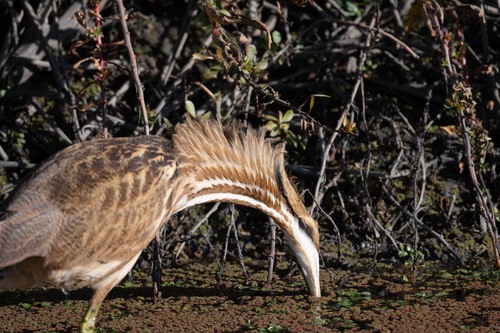
アメリカサンカノゴイ (Botaurus lentiginosus) アメリカサンカノゴイ
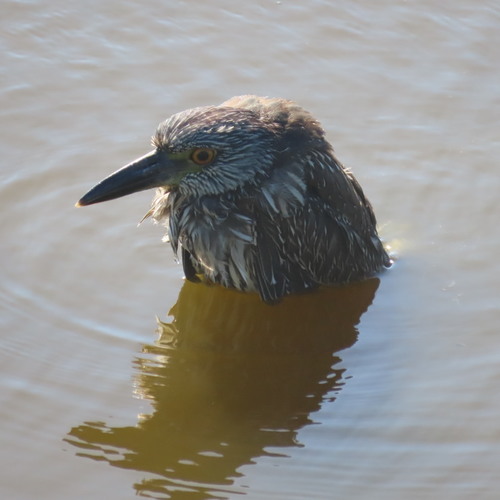
シラガゴイ (Nyctanassa violacea) シラガゴイ

メディア

読み込み中…

要点

アメリカサンカノゴイとシラガゴイの最も信頼できる区別は成鳥の羽毛にあります:アメリカサンカノゴイは大きく、重く縞模様と斑点のある茶色の鳥で、シラガゴイは滑らかな灰青色で、目を引く黒と白の頭の模様と黄色の冠を持っています。両種の幼鳥は混乱を招くことがありますが、アメリカサンカノゴイは常により隠れた、縞模様の外観を示し、首が長く、重く、ダガーのようなくちばしを持っています。飛行中、アメリカサンカノゴイは広い翼とずんぐりした体形を持ち、暗い初列風切羽と縞模様の体を持っていますが、シラガゴイはよりコンパクトで、上翼に鱗状の模様を示します。構造、姿勢、生息地も助けになります:アメリカサンカノゴイは孤独で秘密主義の湿地の鳥で、首を伸ばして凍りつきますが、シラガゴイはしばしば直立して止まっていたり、水の近くでオープンに餌を探しているのが見られ、特に夕暮れ時に見られます。大胆な黄色の冠と白い頬のストライプを持つ鳥を見たら、それはシラガゴイです;全体が縞模様の茶色で葦に溶け込んでいるなら、それはアメリカサンカノゴイです。

識別のコツ

  1. Juvenile confusion: 両種の幼鳥は茶色で縞模様ですが、アメリカサンカノゴイの幼鳥はより重く縞模様と斑点があり、特に腹部と上翼において、シラガゴイの幼鳥はより細かい斑点とより鱗状の上翼を持っています。
  2. Adult plumage: 成鳥のアメリカサンカノゴイは大胆な縞模様と斑点を持つ隠れた茶色で、湿地の植生に完璧に溶け込みます。成鳥のシラガゴイは滑らかな灰青色で、黒い頭、白い頬、黄色の冠のストライプを持ち、どのアメリカサンカノゴイとも非常に異なります。
  3. Head pattern: アメリカサンカノゴイは栗色と黒の冠を持ち、バフ色の眉斑と口髭のストライプがあります;シラガゴイは黄色の冠のストライプと白い頬の斑点を持つ大胆な黒と白の顔を持っています。
  4. Bill shape and color: アメリカサンカノゴイは長く、頑丈で、黄緑色のダガーのようなくちばしを持っています(上顎はより暗い);シラガゴイは目の下に深くセットされた厚い黒いくちばしを持っています。
  5. Leg color: アメリカサンカノゴイは黄緑色の脚を持っています;シラガゴイは明るい黄色の脚を持ち、繁殖期の成鳥ではコーラル色や赤色に変わることがあります。
  6. Neck length and posture: アメリカサンカノゴイは長い首を持ち、しばしばそれを垂直に伸ばして凍りつきます;シラガゴイは短い首を持ち、より直立して立ち、'アメリカサンカノゴイのポーズ'を取ることはほとんどありません。
  7. Body shape: アメリカサンカノゴイはずんぐりしていて、長い体形で、広い翼を持っています;シラガゴイはよりコンパクトで直立しています。
  8. Flight appearance: 飛行中のアメリカサンカノゴイは重く、広い翼を持ち、暗い初列風切羽と縞模様の体を持っています;シラガゴイはよりコンパクトで、鱗状の上翼を持ち、大胆な縞模様はありません。
  9. Behavior: アメリカサンカノゴイは孤独で秘密主義で、ほとんど見られることはなく、フラッシュされたときだけです;シラガゴイはより社交的で、しばしばペアや小さな群れで見られ、オープンに止まることがあります。
  10. Habitat: アメリカサンカノゴイは密で高い湿地の植生を必要とします;シラガゴイはマングローブや都市の湿地を含むより広範な湿地の生息地で見られます。
  11. Vocalization: アメリカサンカノゴイの轟音のような鳴き声は独特で、聞こえた場合は診断的です;シラガゴイは一般的に静かで、アメリカサンカノゴイの独特の鳴き声に比べてあまり目立たない鳴き声を出します。
  12. Iris color: アメリカサンカノゴイは淡い黄色の虹彩を持っています;シラガゴイは成鳥では暗いオレンジ色または赤い目を持っています。
  13. Seasonal marks: シラガゴイは繁殖期に冠から長い白い羽毛を生やします;アメリカサンカノゴイはそうではありません。
  14. Group context: 似たような鳥が一緒にいるのを見た場合、特にコロニーであれば、彼らはおそらくシラガゴイです;アメリカサンカノゴイはほとんど常に一人です。
  15. When marks fail: 照明が悪い場合や遠くから見た場合は、姿勢(アメリカサンカノゴイは直立して凍りつき、シラガゴイはより通常の姿勢で立ったり歩いたりする)や生息地(密な湿地対オープンな湿地の端)をバックアップの手がかりとして頼ってください。

大きさ

アメリカサンカノゴイはより大きく、重い鳥です:長さ58–85 cm(23–33インチ)、翼幅92–115 cm(36–45インチ)、体重370–1,072 gです。シラガゴイはより小さく、コンパクトですが、ここでは正確なサイズの数値は示されていません。現場では、アメリカサンカノゴイはよりずんぐりしていて首が長く見えますが、シラガゴイは首が短く、止まっているときはより直立しています。両者はかなりの水鳥ですが、アメリカサンカノゴイは明らかにより頑丈です。

羽色

幼鳥と未成熟の鳥が主な混乱のポイントです。幼鳥のアメリカサンカノゴイは成鳥に似ており、茶色、バフ色、栗色の縞模様と斑点が全体にあり、隠れた、カモフラージュされた外観を持っています。彼らの上翼は暗い栗色で、黒っぽい初列風切羽と二次羽を持ち、バフ色または栗色の先端があります。幼鳥のシラガゴイは全体的に茶色がかっており、灰色がかった頭、地味な色合い、細かい斑点と縞模様を持っていますが、彼らの翼の模様はアメリカサンカノゴイのように大胆に縞模様や斑点があるわけではなく、代わりに鱗状の模様を示します。成鳥のアメリカサンカノゴイは縞模様のある斑点の茶色の外観を保ち、バフ色の縞模様のある腹部と栗色と黒の冠を持っています。成鳥のシラガゴイは滑らかな灰青色で、黒い頭、白い頬、淡い黄色の冠のストライプを持ち、繁殖期には長い白い羽毛があります。シラガゴイのくちばしは黒くて太く、アメリカサンカノゴイのくちばしは黄緑色でダガーのようです。脚の色も役立ちます:アメリカサンカノゴイは黄緑色の脚を持ち、シラガゴイは繁殖期にコーラル色や赤色に変わることがある黄色の脚を持っています。

行動

アメリカサンカノゴイは孤独で秘密主義で、非常に良くカモフラージュされており、しばしばくちばしを空に向けて直立して凍りつき、湿地の植生に溶け込みます。彼らは主に夕暮れ時や夜に葦の間を歩いたり、動かずに立って静かに狩りをします。シラガゴイも薄明かりや夜行性ですが、よりオープンに止まっていたり、特に水域の縁でオープンに餌を探しているのが見られる可能性が高いです。シラガゴイはしばしば直立しており、'アメリカサンカノゴイのポーズ'で凍りつく可能性は低いです。アメリカサンカノゴイはフラッシュされたとき以外は飛行中に見られることはほとんどありませんが、シラガゴイは夕暮れ時に止まり木や餌場の間を飛ぶことがあります。

生息環境

アメリカサンカノゴイは湿地の専門家で、カヤツリグサやオギのような高い植生を持つ密な葦の湿地で繁殖し、生活しており、見つけるのが難しいです。シラガゴイはより柔軟で、マングローブ、潮間帯の小川、湖や川の縁など、さまざまな湿地の生息地で見られ、しばしば甲殻類が豊富な地域の近くにいます。シラガゴイは都市や郊外の環境で見られる可能性が高いですが、アメリカサンカノゴイはほとんど常に広範な湿地のカバーを必要とします。

声

アメリカサンカノゴイはその大きく轟音のような鳴き声で有名で、'オーン、カチ、オンク'と表現され、夕暮れ時や夜にしばしば聞こえ、湿地を遠くまで響き渡ります。シラガゴイの鳴き声はここでは説明されていませんが、一般的にアメリカサンカノゴイの独特の鳴き声に比べてあまり目立たず、現場で聞かれる可能性は低いです。

より良い説明を送る

比較と同じ項目を使ってください。文章はすぐに公開されます。

The most reliable separation between American Bittern and Yellow-crowned Night Heron is in adult plumage: the bittern is a large, heavily streaked and speckled brown bird, while the night heron is smooth gray-blue with a striking black-and-white head pattern and yellow crown. Juveniles of both can be confusing, but bitterns always show a more cryptic, streaked look with a longer neck and heavier, dagger-like bill. In flight, American Bitterns appear broad-winged and chunky, with dark primaries and a streaked body, while Yellow-crowned Night Herons are more compact and show a scaled pattern on the upperwing. Structure, posture, and habitat also help: bitterns are solitary, secretive marsh birds that freeze with neck extended, while night herons are often seen perched upright or foraging openly near water, especially at dusk. If you see a bird with a bold yellow crown and white cheek stripes, it's a Yellow-crowned Night Heron; if it's all streaky brown and blends into reeds, it's an American Bittern.

  1. Juvenile confusion: Both species' juveniles are brown and streaked, but American Bittern juveniles are more heavily streaked and speckled, especially on the underparts and upperwing, while Yellow-crowned Night Heron juveniles have finer spots and a more scaled upperwing.
  2. Adult plumage: Adult American Bitterns are cryptic brown with bold streaks and speckles, blending perfectly into marsh vegetation. Adult Yellow-crowned Night Herons are smooth gray-blue with a black head, white cheeks, and a yellow crown stripe—very different from any bittern.
  3. Head pattern: Bitterns have a chestnut and black crown with a buff supercilium and mustachial stripe; night herons have a bold black-and-white face with a yellow crown stripe and white cheek patches.
  4. Bill shape and color: Bitterns have a long, robust, yellowish-green dagger-like bill (upper mandible darker); night herons have a thick, black bill set deeply under the eyes.
  5. Leg color: Bitterns have yellowish-green legs; night herons have bright yellow legs, which may turn coral or red in breeding adults.
  6. Neck length and posture: Bitterns have a long neck and often freeze with it extended vertically; night herons have a shorter neck and stand more upright, rarely adopting the 'bittern pose.'
  7. Body shape: Bitterns are chunky, long-bodied, and broad-winged; night herons are more compact and upright.
  8. Flight appearance: Bitterns in flight look heavy and broad-winged with dark primaries and a streaked body; night herons are more compact with a scaled upperwing and lack the bold streaking.
  9. Behavior: Bitterns are solitary, secretive, and rarely seen except when flushed; night herons are more social, often seen in pairs or small groups, and may perch openly.
  10. Habitat: Bitterns require dense, tall marsh vegetation; night herons are found in a wider range of wetland habitats, including mangroves and urban wetlands.
  11. Vocalization: The bittern's booming call is unique and diagnostic if heard; night herons are generally quieter or give less distinctive calls.
  12. Iris color: Bitterns have pale yellow irises; night herons have dark orange or red eyes in adults.
  13. Seasonal marks: Night herons grow long white plumes from the crown in breeding season; bitterns do not.
  14. Group context: If you see several similar birds together, especially in a colony, they're likely night herons; bitterns are almost always alone.
  15. When marks fail: In poor light or at great distance, rely on posture (bitterns freeze upright, night herons stand or walk more normally) and habitat (dense marsh vs. open wetland edge) as backup clues.

American Bittern is the larger and heavier bird: 58–85 cm (23–33 in) long, with a 92–115 cm (36–45 in) wingspan and weighing 370–1,072 g. Yellow-crowned Night Heron is smaller and more compact, though exact size figures are not given here. In the field, bitterns look bulkier and longer-necked, while night herons are shorter-necked and more upright when perched. Both are substantial waders, but the bittern is noticeably more robust.

Juvenile and immature birds are the main confusion point. Juvenile American Bitterns resemble adults, with brown, buff, and chestnut streaks and speckles all over, and a cryptic, camouflaged appearance. Their upperwings are dark chestnut-brown with blackish primaries and secondaries, tipped with buff or chestnut. Juvenile Yellow-crowned Night Herons are brownish overall with a grayish head, drab colors, and fine spots and streaks, but their wing pattern is not as boldly streaked or speckled as the bittern's; instead, they show a scaled pattern. Adult American Bitterns retain the streaked, mottled brown look, with a buffy, striped underpart and a chestnut-and-black crown. Adult Yellow-crowned Night Herons are smooth gray-blue with a black head, white cheeks, and a pale yellow crown stripe, plus long white plumes in breeding season. The night heron's bill is black and thick, while the bittern's is yellowish-green and dagger-like. Leg color is also useful: bitterns have yellowish-green legs, while night herons have yellow legs that can turn coral or red in breeding season.

American Bitterns are solitary, secretive, and extremely well-camouflaged, often freezing upright with their bill pointed skyward to blend into marsh vegetation. They hunt stealthily by walking or standing motionless among reeds, mostly at dusk or at night. Yellow-crowned Night Herons are also crepuscular and nocturnal but are more likely to be seen perched openly or foraging in the open, especially along the edges of water bodies. Night herons often stand upright and are less likely to freeze in the 'bittern pose.' Bitterns are rarely seen in flight except when flushed, while night herons may fly between perches or feeding areas at dusk.

American Bitterns are marsh specialists, breeding and living in dense, reedy wetlands with tall vegetation like cattails and bulrushes, where they are difficult to spot. Yellow-crowned Night Herons are more flexible, found in a variety of wetland habitats, including mangroves, tidal creeks, and edges of lakes and rivers, often near crustacean-rich areas. Night herons are more likely to be seen in urban or suburban settings, while bitterns almost always require extensive marsh cover.

American Bittern is famous for its loud, booming call, described as 'oong, kach, oonk,' which is often heard at dusk or night and carries far across marshes. The Yellow-crowned Night Heron's vocalizations are not described here, but are generally less distinctive and less likely to be heard in the field compared to the bittern's unique call.

変更を破棄しますか?

保存していない編集があります。今離れると失われます。

アメリカサンカノゴイ · シラガゴイ · 苦手な鳥