

Motmot

アフリカムラサキバン 対 セイケイ

Porphyrio alleni 対 Porphyrio porphyrio

アフリカムラサキバンとセイケイのクイズ
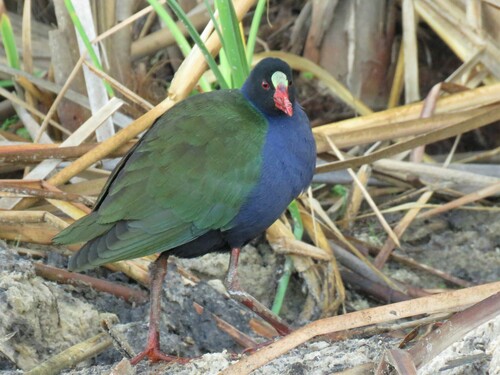
アフリカムラサキバン (Porphyrio alleni) アフリカムラサキバン
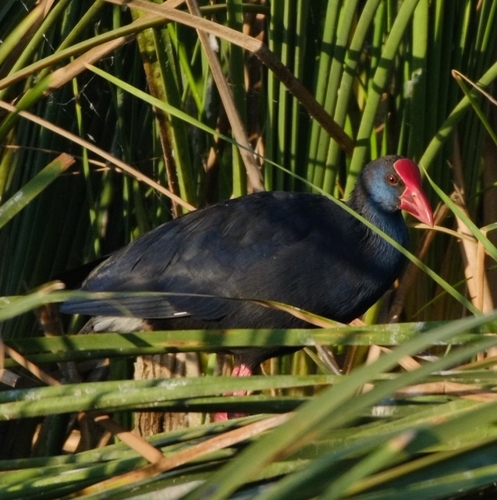
セイケイ (Porphyrio porphyrio) セイケイ

メディア

読み込み中…

要点

アフリカムラサキバンとセイケイを区別する最も信頼できる方法は、サイズと構造です:アフリカムラサキバンははるかに小さく、繊細な鳥であり、セイケイは鶏のサイズで頑丈です。すべての羽色において、アフリカムラサキバンは短い赤いくちばし、緑がかった背中、紫色の上面を示し、繁殖期の成鳥では青(オス)または緑(メス)の前頭盾を持ち、暗い中央バーのある白い尾羽を持っています。幼鳥のアフリカムラサキバンは砂色の茶色で、バフ色の尾羽を持ち、常に明るい全体の青紫色の羽色を持つセイケイと対照的です。セイケイは巨大な足、厚い赤いくちばし、すべての年齢と性別で目立つ赤い前頭盾を持っています。小さく、レールのような動きで泳ぐ鳥を見たら、それはアフリカムラサキバンです;大きく、堂々とした紫青色の鳥で巨大な足を持つのがセイケイです。

識別のコツ

  1. Size is the fastest check: アフリカムラサキバンは小さくレールのようです;セイケイは鶏の大きさです。鳥が大きくて頑丈に見えるなら、それはセイケイです。
  2. Bill and frontal shield: アフリカムラサキバンは短くて細い赤いくちばしを持ち、繁殖期の成鳥では青(オス)または緑(メス)の前頭盾があります;セイケイは巨大で厚い赤いくちばしと、すべての年齢と性別で目立つ赤い前頭盾を持っています。
  3. Plumage brightness: セイケイは常に明るい青紫色で、茶色や砂色のトーンはありません。アフリカムラサキバンは決してそれほど明るく均一な色ではなく、緑がかった背中と紫色の上面を示しますが、セイケイの深い青はありません。
  4. Juvenile/immature plumage: 幼いアフリカムラサキバンは砂色の茶色で、バフ色の尾羽を持ち、決して青や紫ではありません。幼鳥のセイケイはまだ青紫色で、砂色や茶色のトーンはありません。
  5. Undertail pattern: アフリカムラサキバンは短い白い尾を持ち、その下に暗い中央バーがあります;セイケイの尾羽はすべて白で、尾は相対的に短く、より四角いです。
  6. Legs and feet: 両方とも長い足指を持っていますが、セイケイの足は非常に大きく厚く、体に対してオーバーサイズに見えることがよくあります。アフリカムラサキバンの足は赤く、長い足指を持っていますが、より繊細です。
  7. Head shape and jizz: アフリカムラサキバンは小さく丸い頭とコンパクトな体を持ち、しばしば神経質で素早い動きをします。セイケイは大きくてブロック状の頭と重い、直立した姿勢を持っています。
  8. Behavior: アフリカムラサキバンは秘密主義で、泳ぐときに頭を上下に振り、カバーから遠くに出ることはめったにありません。セイケイは大胆で、しばしば堂々としたり、オープンな場所で餌を食べたりします。
  9. Habitat context: 鳥が密な葦の生えた湿地にいて隠れている場合、アフリカムラサキバンの可能性が高いです。オープンな湿地や水田を歩いている場合、セイケイの可能性が高いです。
  10. Sex differences: アフリカムラサキバンだけが繁殖羽色で性別間の前頭盾の色の違いを示します(オスは青、メスは緑);セイケイは示しません。
  11. Seasonal context: アフリカムラサキバンは移動中や冬に見られる可能性が高く、繁殖期には非常に秘密主義です。セイケイはその範囲内で年間を通じて見られます。
  12. Swimming style: アフリカムラサキバンは泳ぐときに頭を上下に振ります;セイケイはより安定して泳ぎ、泳ぐよりも歩くことが多いです。
  13. Vocalizations: アフリカムラサキバンはカバーから主に鋭く鼻にかかった「プルク」と呼ぶ声を出します;セイケイは一般的により大きく多様な声を持っていますが、これがこれら二種間の診断的な違いを示すことはありません。
  14. Mixed flocks: 珍しいですが、一緒に見られた場合、サイズと色の違いは明確です。
  15. Common pitfalls: 幼いアフリカムラサキバンは他の小さなレールと間違われることがありますが、決してセイケイの青紫色を示しません。セイケイは小さな茶色のレールと混同されることはありません。

大きさ

アフリカムラサキバンはヨーロッパクイナと同じくらいの大きさで、小さくて細身で、短いくちばしと尾を持っています。対照的に、セイケイは鶏のサイズで、はるかに大きくてがっしりしており、厚く重いくちばしと非常に大きな足を持っています。このサイズの差はフィールドで明らかで、特に両種が近くに見られる場合や、スケールのために馴染みのある水鳥と一緒に見られる場合に顕著です。アフリカムラサキバンは繊細でコンパクトに見え、セイケイは頑丈で威圧的です。[wikipedia]

羽色

幼鳥と未熟なアフリカムラサキバンは上面が砂色の茶色で、バフ色の尾羽を持ち、成鳥の明るい色が欠けています;彼らの尾羽はよく見れば診断的です。成鳥は緑がかった背中、紫色の上面、そして暗い中央バーのある短い白い尾を持っています。繁殖期のオスは青い前頭盾を示し、メスは緑のものを持っています。対照的に、すべての年齢のセイケイは全体的に際立って青紫色で、茶色や砂色のトーンはなく、常に厚い赤いくちばしと赤い前頭盾を持っています。セイケイの尾は短く白いですが、暗い中央バーは欠けており、尾羽は通常すべて白です。アフリカムラサキバンの足は赤で長い足指を持っていますが、セイケイの足はさらに大きく、より誇張されています。明るさと青紫色の広がりの違いは顕著です:アフリカムラサキバンは決してセイケイほど飽和しているわけでも、均一な色を持っているわけでもありません。[wikipedia]

行動

アフリカムラサキバンは秘密主義で、しばしば密な植生の中で隠れ、特徴的な頭を上下に振りながら泳ぎます。昆虫や水生動物を探し、移動中や冬に見られる可能性が高いです。セイケイはより大胆で、しばしばオープンな場所で堂々と歩き、ゆっくりとした意図的なステップで歩き、時には水田やオープンな湿地で餌を食べます。セイケイはカバーから出ているところが見られる可能性が高く、巨大な足を使って植生をつかむことができます。アフリカムラサキバンは長い間オープンに出ているのはめったに見られません。[wikipedia]

生息環境

両種は湿地の鳥ですが、アフリカムラサキバンは密な湿地や沼地を好み、厚い植生の中に隠れています。セイケイも湿地に生息していますが、より適応性があり、特にヨーロッパや北アフリカの範囲では、水田やオープンな湿地などの人間が改変した生息地で見られることが多いです。セイケイはオープンな場所で見られる可能性が高く、アフリカムラサキバンは通常、密なカバーの端で見られるか、移動中にちらりと見られます。[wikipedia]

声

アフリカムラサキバンは主に繁殖期に聞かれ、カバーから鋭く鼻にかかった「プルク」と呼ぶ声を出します。セイケイは一般的に騒がしく、さまざまな大きくて粗い声を持っていますが、これら二種間の声の診断的な違いを特定する音はありません。[wikipedia]

より良い説明を送る

比較と同じ項目を使ってください。文章はすぐに公開されます。

The most reliable way to separate Allen's Gallinule from Western Swamphen is by size and structure: Allen's Gallinule is a much smaller, more delicate bird, while Western Swamphen is chicken-sized and robust. In all plumages, Allen's Gallinule shows a short red bill, greenish back, and purple upperparts, with a blue (male) or green (female) frontal shield in breeding adults, and a white undertail with a dark central bar. Juvenile Allen's Gallinule is sandy brown with a buff undertail, contrasting with the consistently bright, all-over blue-purple plumage of Western Swamphen. Swamphens have massive feet, a thick red bill, and a prominent red frontal shield in all ages and sexes. If you see a small, rail-like bird with a nodding swimming motion, it's Allen's Gallinule; a large, strutting, purple-blue bird with huge feet is Western Swamphen.

  1. Size is the fastest check: Allen's Gallinule is small and rail-like; Western Swamphen is as large as a domestic chicken. If the bird looks big and robust, it's a Swamphen.
  2. Bill and frontal shield: Allen's Gallinule has a short, fine red bill with a blue (male) or green (female) frontal shield in breeding adults; Swamphen has a massive, thick red bill and a prominent red frontal shield in all ages and sexes.
  3. Plumage brightness: Swamphen is always bright blue-purple all over, with no brown or sandy tones. Allen's Gallinule is never as bright or as uniformly colored, showing greenish back and purple upperparts, but not the deep blue of Swamphen.
  4. Juvenile/immature plumage: Young Allen's Gallinule is sandy brown with a buff undertail—never blue or purple. Juvenile Swamphen is still blue-purple, lacking any sandy or brown tones.
  5. Undertail pattern: Allen's Gallinule shows a short white tail with a dark central bar underneath; Swamphen's undertail is all white and the tail is proportionally shorter and more squared.
  6. Legs and feet: Both have long toes, but Swamphen's feet are extremely large and thick, often looking oversized for the body. Allen's Gallinule's legs are red and long-toed but more delicate.
  7. Head shape and jizz: Allen's Gallinule has a small, rounded head and compact body, often with a nervous, quick movement. Swamphen has a large, blocky head and a heavy, upright posture.
  8. Behavior: Allen's Gallinule is secretive, swimming with a nodding motion and rarely venturing far from cover. Swamphen is bold, often seen strutting or feeding in the open.
  9. Habitat context: If the bird is in a dense, reedy swamp and skulking, Allen's Gallinule is more likely. If it is striding in open marsh or rice fields, Swamphen is more probable.
  10. Sex differences: Only Allen's Gallinule shows a difference in frontal shield color between sexes (blue in males, green in females) in breeding plumage; Swamphen does not.
  11. Seasonal context: Allen's Gallinule is more likely to be seen during migration or winter, as it is very secretive in the breeding season. Swamphen can be seen year-round in its range.
  12. Swimming style: Allen's Gallinule nods its head as it swims; Swamphen swims more steadily, often walking rather than swimming.
  13. Vocalizations: Allen's Gallinule gives a sharp, nasal 'pruk' call, mostly from cover; Swamphen is generally louder and more varied, but this is not always diagnostic.
  14. Mixed flocks: Rare, but if seen together, the size and color difference is unmistakable.
  15. Common pitfalls: Immature Allen's Gallinule can be mistaken for other small rails, but never shows the blue-purple of Swamphen. Swamphen is unlikely to be confused with any small, brownish rail.

Allen's Gallinule is similar in size to a Water Rail—small and slight, with a short bill and tail. In contrast, Western Swamphen is chicken-sized, much larger and bulkier, with a thick, heavy bill and very large feet. This size gap is obvious in the field, especially if both species are seen near each other or with familiar waterbirds for scale. Allen's Gallinule looks delicate and compact; Western Swamphen is robust and imposing. [wikipedia]

Juvenile and immature Allen's Gallinule are sandy brown above with a buff undertail, lacking the bright colors of adults; their undertail is diagnostic if seen well. Adults have a greenish back, purple upperparts, and a short white tail with a dark central bar underneath. Breeding males show a blue frontal shield, females a green one. In contrast, Western Swamphen of all ages is strikingly blue-purple overall, with no brown or sandy tones, and always has a thick red bill and red frontal shield. Swamphen's tail is short and white but lacks the dark central bar; the undertail is usually all white. Allen's Gallinule's legs are red with long toes, but Swamphen's feet are even larger and more exaggerated. The difference in brightness and extent of blue-purple is marked: Allen's Gallinule is never as saturated or as uniformly colored as Western Swamphen. [wikipedia]

Allen's Gallinule is secretive, often skulking in dense vegetation and swimming with a characteristic head-nodding motion. It probes for insects and aquatic animals, and is more likely to be seen on migration or in winter. Western Swamphen is bolder, often strutting in the open, walking with slow, deliberate steps, and sometimes feeding in paddy fields or open marshes. Swamphens are more likely to be seen out of cover, using their massive feet to grasp vegetation. Allen's Gallinule is rarely seen out in the open for long. [wikipedia]

Both species are wetland birds, but Allen's Gallinule prefers dense swamps and marshes, staying hidden in thick vegetation. Western Swamphen also inhabits wetlands but is more adaptable, often found in human-modified habitats like rice fields and open marshes, especially in its European and North African range. Swamphens are more likely to be seen in open areas, while Allen's Gallinule is typically glimpsed at the edge of dense cover or during migration. [wikipedia]

Allen's Gallinule is mostly heard during the breeding season, giving sharp, nasal 'pruk' calls from cover. Western Swamphen is generally noisy, with a variety of loud, harsh calls, but the notes do not specify a diagnostic difference in voice between these two species. [wikipedia]

変更を破棄しますか?

保存していない編集があります。今離れると失われます。

アフリカムラサキバン · セイケイ · 苦手な鳥