

Motmot

キイロムシクイ 対 ヤマキイロムシクイ

Iduna natalensis 対 Iduna similis

キイロムシクイとヤマキイロムシクイのクイズ
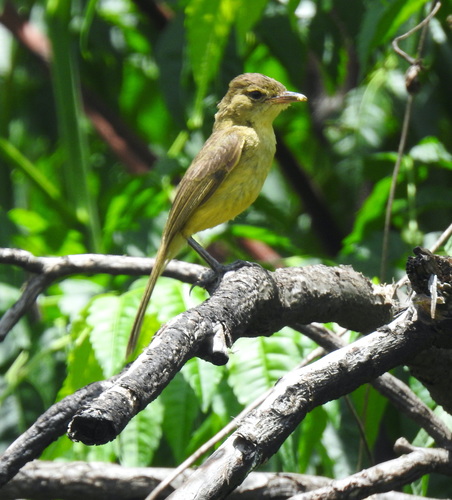
キイロムシクイ (Iduna natalensis) キイロムシクイ
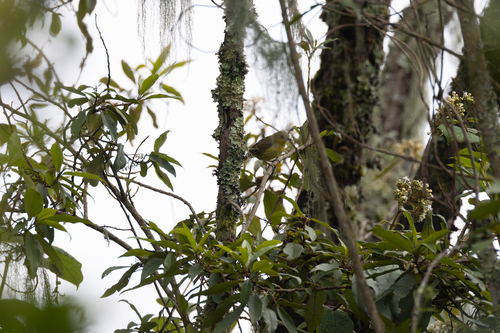
ヤマキイロムシクイ (Iduna similis) ヤマキイロムシクイ

メディア

読み込み中…

要点

アフリカキイロムシクイとヤマキイロムシクイの間で最も信頼できるフィールドマークは、上面のオリーブと黄色のトーンと分布です:アフリカキイロムシクイは、黄色がかった茶色の上面を持ち、黄色がかった尾と茶色がかった冠を示しますが、ヤマキイロムシクイは、より均一なオリーブグリーンの頭と背中を持っています。両種は明るい黄色の腹部を持っていますが、アフリカキイロムシクイはしばしば脇腹と下腹部にオリーブの洗いがかかっているのに対し、ヤマキイロムシクイの黄色はより鮮やかで洗いが少ないです。くちばしの色と構造も役立ちます:アフリカキイロムシクイは上顎が淡い色で下顎が黒っぽいのに対し、ヤマキイロムシクイのくちばしは短く均一な暗褐色です。両種の幼鳥はより鈍い色合いですが、ヤマキイロムシクイの幼鳥は特に茶色がかり、下部はより淡いです。フィールドでは、上面の全体的なオリーブ対黄色の印象とくちばしの色に注目して、最も一貫した識別を行ってください。

識別のコツ

  1. Upperparts color (all ages): アフリカキイロムシクイは黄色がかった茶色の上面を持ち、黄色がかった尾とやや茶色がかった冠を持っていますが、ヤマキイロムシクイの頭と背中はより均一なオリーブグリーンです。これは止まっている鳥の中で最も一貫したフィールドマークです。
  2. Underparts color: 両種は明るい黄色の腹部を持っていますが、アフリカキイロムシクイはしばしば胸の側面、脇腹、下腹部にオリーブの洗いがかかっているため、黄色があまり純粋ではありません。ヤマキイロムシクイの黄色はより鮮やかで洗いがありません。
  3. Bill color and structure: アフリカキイロムシクイのくちばしは上が淡く下が黒っぽいのに対し、ヤマキイロムシクイのくちばしは非常に短く均一な暗褐色です。くちばしの色は遠くからは見えにくいですが、近距離では診断的です。
  4. Juvenile plumage: 幼鳥のヤマキイロムシクイは成鳥よりも上面が茶色がかり、下部がより淡い黄色です。一方、幼鳥のアフリカキイロムシクイは成鳥のバフ色のバージョンですが、依然として黄色がかった茶色と黄色のコントラストを示します。鳥が特に茶色がかりで淡いように見える場合、ヤマキイロムシクイの可能性が高いです。
  5. Sex differences: メスのアフリカキイロムシクイは下部が鈍いですが、これは微妙です。ヤマキイロムシクイは性的二形性がほとんどなく、両性は似ています。
  6. Leg color: アフリカキイロムシクイは黒っぽい脚を持っていますが、ヤマキイロムシクイの脚の色は指定されていませんが、アフリカキイロムシクイほど暗くはないでしょう。
  7. Flight views: どちらの種にも特徴的な翼や尾のパターンは記載されていないため、飛行マークに頼らないでください。
  8. Habitat context: もし厳密に山地(高地)地域にいる場合、ヤマキイロムシクイの可能性が高いです。低地や混合生息地では、羽毛を注意深く確認してください。
  9. Behavior: ヤマキイロムシクイは非常に領土的であると記載されていますが、これは時間をかけて観察しない限り信頼できるフィールドマークではありません。
  10. Bill length: ヤマキイロムシクイのくちばしは、ムシクイとしては特に短いので、長時間の観察があれば役立ちます。
  11. Crown color: アフリカキイロムシクイの冠は上面の他の部分よりもやや茶色がかっていますが、ヤマキイロムシクイの冠はオリーブグリーンの背中と混ざります。
  12. Rump color: アフリカキイロムシクイは上面の他の部分と対照的に黄色がかった尾を持っていますが、ヤマキイロムシクイの背中と尾はより均一です。
  13. Edge of wing feathers: アフリカキイロムシクイの茶色の翼の羽は黄色の縁取りがありますが、これは微妙でフィールドでは見えないかもしれません。
  14. Voice: ソースには声の違いは記載されていませんので、歌や鳴き声に頼って識別しないでください。
  15. Overall impression: 鳥が上面がよりオリーブグリーンで下部が純粋な黄色に見える場合は、ヤマキイロムシクイを優先してください。上面が黄色がかった茶色で、黄色がかった尾と脇腹にオリーブの洗いがある場合は、アフリカキイロムシクイを優先してください。

大きさ

両種は中型のムシクイで、フィールドでの意味のあるサイズの違いはありません。アフリカキイロムシクイは約13 cmの長さで、体重は10〜15 gです [wikipedia]が、ヤマキイロムシクイには特にサイズの利点はありません。構造は似ているため、サイズに頼って識別するべきではありません。

羽色

行動

ヤマキイロムシクイは非常に領土的であるとされています。両種は活発な昆虫食ですが、フィールド識別に役立つ強い行動の違いは記載されていません。餌を取る行動(飛びつき、採餌)や一般的なムシクイの活動は似ています。

生息環境

アフリカキイロムシクイはここで詳細に記載されていませんが、ヤマキイロムシクイは特に東アフロモンターネ地域の固有種として記載されています。両種は似たような生息地に出現する可能性がありますが、山地や高地にいる場合はヤマキイロムシクイの可能性が高いです。生息地は厳密に山地の文脈でない限り、診断的ではありません。

より良い説明を送る

比較と同じ項目を使ってください。文章はすぐに公開されます。

The most reliable field mark between African Yellow-Warbler and Mountain Yellow-Warbler is the tone and distribution of olive versus yellow on the upperparts: African Yellow-Warbler shows yellowish-brown upperparts with a yellower rump and brownish crown, while Mountain Yellow-Warbler has a more uniform olive-green head and back. Both species have bright yellow underparts, but African Yellow-Warbler often shows an olive wash on the flanks and lower belly, whereas Mountain Yellow-Warbler’s yellow is more vibrant and less washed. Bill color and structure also help: African Yellow-Warbler has a pale upper mandible and blackish lower, while Mountain Yellow-Warbler’s bill is short and uniformly dark brown. Juveniles of both are duller, but Mountain Yellow-Warbler immatures are notably browner and paler below. In the field, focus on the overall olive versus yellow impression on the upperparts and bill color for the most consistent separation.

  1. Upperparts color (all ages): African Yellow-Warbler has yellowish-brown upperparts with a yellower rump and a slightly browner crown, while Mountain Yellow-Warbler’s head and back are a more uniform olive-green. This is the most consistent field mark in perched birds.
  2. Underparts color: Both species have bright yellow underparts, but African Yellow-Warbler often shows an olive wash on the sides of the breast, flanks, and lower belly, making the yellow less pure. Mountain Yellow-Warbler’s yellow is more vibrant and unwashed.
  3. Bill color and structure: African Yellow-Warbler’s bill is pale above and blackish below, while Mountain Yellow-Warbler’s bill is very short and uniformly dark brown. Bill color can be hard to see at a distance, but is diagnostic at close range.
  4. Juvenile plumage: Juvenile Mountain Yellow-Warblers are browner above and paler yellow below than adults, while juvenile African Yellow-Warblers are buffier but still show the yellowish-brown/yellow contrast. If the bird looks especially brown and pale, Mountain is more likely.
  5. Sex differences: Female African Yellow-Warblers are duller below, but this is subtle. Mountain Yellow-Warbler shows little sexual dimorphism; both sexes look alike.
  6. Leg color: African Yellow-Warbler has blackish legs, while Mountain Yellow-Warbler’s leg color is not specified, but is unlikely to be as dark as African Yellow-Warbler’s.
  7. Flight views: No distinctive wing or tail pattern is described for either species, so do not rely on flight marks.
  8. Habitat context: If you are in strictly montane (highland) areas, Mountain Yellow-Warbler is more likely. In lowland or mixed habitats, check plumage carefully.
  9. Behavior: Mountain Yellow-Warbler is described as very territorial, but this is not a reliable field mark unless observed over time.
  10. Bill length: Mountain Yellow-Warbler’s bill is notably short for a warbler, which can help if you have prolonged views.
  11. Crown color: African Yellow-Warbler’s crown is slightly browner than the rest of the upperparts, while Mountain Yellow-Warbler’s crown blends with the olive-green back.
  12. Rump color: African Yellow-Warbler has a yellower rump contrasting with the rest of the upperparts; Mountain Yellow-Warbler’s back and rump are more uniform.
  13. Edge of wing feathers: African Yellow-Warbler’s brown wing feathers are edged with yellow, but this is subtle and may not be visible in the field.
  14. Voice: No vocal differences are described in the sources; do not rely on song or call for separation.
  15. Overall impression: If the bird looks more olive-green above and pure yellow below, favor Mountain Yellow-Warbler. If it looks yellowish-brown above with a yellower rump and some olive wash on the flanks, favor African Yellow-Warbler.

Both species are medium-sized warblers, and there is no meaningful size difference in the field. African Yellow-Warbler measures about 13 cm in length and weighs 10–15 g [wikipedia], but no distinct size advantage is noted for Mountain Yellow-Warbler. Structure is similar, so size should not be relied upon for separation.

  • Juvenile/Immature: Both species have duller, browner, and paler plumage as juveniles. Mountain Yellow-Warbler juveniles are especially browner above and paler yellow below, while African Yellow-Warbler juveniles are buffier versions of the adult but still show yellowish-brown upperparts and yellow underparts. No distinctive upperwing pattern is described for either species at any age, so focus on overall color impression.

  • Adult (all seasons): African Yellow-Warbler: yellowish-brown upperparts, slightly browner crown, yellower rump, brown wings edged with yellow, bright yellow underparts with olive wash on flanks and lower belly. Mountain Yellow-Warbler: olive-green head and back, vibrant yellow underparts, bill very short and dark brown. Both sexes are similar in Mountain Yellow-Warbler; female African Yellow-Warblers are duller below.

  • Bill and legs: African Yellow-Warbler has a pale upper mandible and blackish lower mandible, with blackish legs. Mountain Yellow-Warbler’s bill is very short and uniformly dark brown.

Mountain Yellow-Warbler is noted for being very territorial. Both species are active insectivores, but there are no strong behavioral differences described that would help with field identification. Feeding behavior (flycatching, gleaning) and general warbler activity are similar.

African Yellow-Warbler is not described in detail here, but Mountain Yellow-Warbler is specifically noted as native to the eastern Afromontane regions. Both can occur in similar habitats, but if you are in montane or highland areas, Mountain Yellow-Warbler is more likely. Habitat is only weakly diagnostic unless you are in a strictly montane context.

変更を破棄しますか?

保存していない編集があります。今離れると失われます。

キイロムシクイ · ヤマキイロムシクイ · 苦手な鳥