

African Yellow-Warbler vs Mountain Yellow-Warbler
Iduna natalensis contro Iduna similis
Fai un quiz con African Yellow-Warbler e Mountain Yellow-Warbler
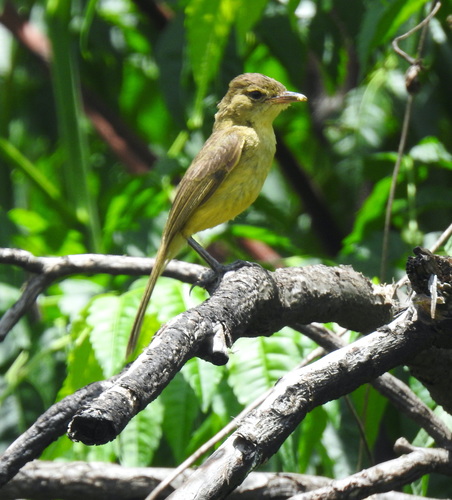 African Yellow-Warbler
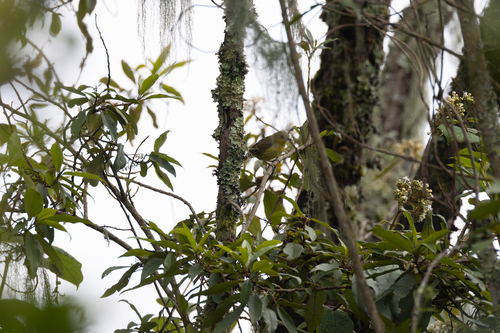 Mountain Yellow-Warbler
In breve
Il segno di campo più affidabile tra African Yellow-Warbler e Mountain Yellow-Warbler è il tono e la distribuzione dell'oliva rispetto al giallo sulle parti superiori: l'African Yellow-Warbler mostra parti superiori giallo-brune con un sottocoda più giallo e una corona marrone, mentre il Mountain Yellow-Warbler ha una testa e un dorso di un uniforme verde oliva. Entrambe le specie hanno parti inferiori di un giallo brillante, ma l'African Yellow-Warbler mostra spesso una sfumatura oliva sui fianchi e sul ventre inferiore, mentre il giallo del Mountain Yellow-Warbler è più vibrante e meno lavato. Anche il colore e la struttura del becco aiutano: l'African Yellow-Warbler ha un mandibile superiore pallido e un inferiore nerastro, mentre il becco del Mountain Yellow-Warbler è corto e uniformemente marrone scuro. I giovani di entrambe le specie sono più opachi, ma i giovani del Mountain Yellow-Warbler sono notevolmente più marroni e più chiari sotto. Sul campo, concentrati sull'impressione complessiva di oliva rispetto al giallo sulle parti superiori e sul colore del becco per la separazione più coerente.
Consigli di identificazione
- Upperparts color (all ages): L'African Yellow-Warbler ha parti superiori giallo-brune con un sottocoda più giallo e una corona leggermente più marrone, mentre la testa e il dorso del Mountain Yellow-Warbler sono di un verde oliva più uniforme. Questo è il segno di campo più coerente negli uccelli in posa.
- Underparts color: Entrambe le specie hanno parti inferiori di un giallo brillante, ma l'African Yellow-Warbler mostra spesso una sfumatura oliva sui lati del petto, fianchi e ventre inferiore, rendendo il giallo meno puro. Il giallo del Mountain Yellow-Warbler è più vibrante e non lavato.
- Bill color and structure: Il becco dell'African Yellow-Warbler è pallido sopra e nerastro sotto, mentre il becco del Mountain Yellow-Warbler è molto corto e uniformemente marrone scuro. Il colore del becco può essere difficile da vedere a distanza, ma è diagnostico a distanza ravvicinata.
- Juvenile plumage: I giovani Mountain Yellow-Warbler sono più marroni sopra e più gialli chiari sotto rispetto agli adulti, mentre i giovani African Yellow-Warbler sono versioni più color crema dell'adulto ma mostrano ancora il contrasto giallo-bruno/giallo. Se l'uccello appare particolarmente marrone e chiaro, è più probabile che sia un Mountain.
- Sex differences: Le femmine di African Yellow-Warbler sono più opache sotto, ma questo è sottile. Il Mountain Yellow-Warbler mostra poco dimorfismo sessuale; entrambi i sessi sembrano simili.
- Leg color: L'African Yellow-Warbler ha zampe nerastre, mentre il colore delle zampe del Mountain Yellow-Warbler non è specificato, ma è improbabile che sia scuro come quello dell'African Yellow-Warbler.
- Flight views: Non è descritto alcun modello distintivo di ali o coda per entrambe le specie, quindi non fare affidamento sui segni di volo.
- Habitat context: Se ti trovi in aree montane (di alta quota), è più probabile che tu incontri il Mountain Yellow-Warbler. In habitat di pianura o misti, controlla attentamente il piumaggio.
- Behavior: Il Mountain Yellow-Warbler è descritto come molto territoriale, ma questo non è un segno di campo affidabile a meno che non venga osservato nel tempo.
- Bill length: Il becco del Mountain Yellow-Warbler è notevolmente corto per un warbler, il che può aiutare se hai visioni prolungate.
- Crown color: La corona dell'African Yellow-Warbler è leggermente più marrone rispetto al resto delle parti superiori, mentre la corona del Mountain Yellow-Warbler si fonde con il dorso verde oliva.
- Rump color: L'African Yellow-Warbler ha un sottocoda più giallo che contrasta con il resto delle parti superiori; il dorso e il sottocoda del Mountain Yellow-Warbler sono più uniformi.
- Edge of wing feathers: Le piume delle ali marroni dell'African Yellow-Warbler sono bordate di giallo, ma questo è sottile e potrebbe non essere visibile sul campo.
- Voice: Non sono descritte differenze vocali nelle fonti; non fare affidamento sul canto o sul richiamo per la separazione.
- Overall impression: Se l'uccello appare più verde oliva sopra e giallo puro sotto, favorisci il Mountain Yellow-Warbler. Se appare giallo-bruno sopra con un sottocoda più giallo e alcune sfumature olive sui fianchi, favorisci l'African Yellow-Warbler.
Taglia
Entrambe le specie sono warbler di dimensioni medie e non c'è una differenza di dimensioni significativa sul campo. L'African Yellow-Warbler misura circa 13 cm di lunghezza e pesa 10–15 g [wikipedia], ma non è notato alcun vantaggio di dimensioni distintivo per il Mountain Yellow-Warbler. La struttura è simile, quindi non si dovrebbe fare affidamento sulla dimensione per la separazione.
Piumaggio
-
Juvenile/Immature: Entrambe le specie hanno piumaggio più opaco, marrone e più chiaro da giovani. I giovani Mountain Yellow-Warbler sono particolarmente più marroni sopra e più gialli chiari sotto, mentre i giovani African Yellow-Warbler sono versioni più color crema dell'adulto ma mostrano ancora parti superiori giallo-brune e parti inferiori gialle. Non è descritto alcun modello distintivo delle ali superiori per entrambe le specie a qualsiasi età, quindi concentrati sull'impressione complessiva del colore.
-
Adult (all seasons): African Yellow-Warbler: parti superiori giallo-brune, corona leggermente più marrone, sottocoda più giallo, ali marroni bordate di giallo, parti inferiori gialle brillanti con sfumatura oliva sui fianchi e sul ventre inferiore. Mountain Yellow-Warbler: testa e dorso verde oliva, parti inferiori gialle vibranti, becco molto corto e marrone scuro. Entrambi i sessi sono simili nel Mountain Yellow-Warbler; le femmine di African Yellow-Warbler sono più opache sotto.
-
Bill and legs: L'African Yellow-Warbler ha un mandibile superiore pallido e un mandibile inferiore nerastro, con zampe nerastre. Il becco del Mountain Yellow-Warbler è molto corto e uniformemente marrone scuro.
Comportamento
Il Mountain Yellow-Warbler è noto per essere molto territoriale. Entrambe le specie sono insetti attivi, ma non ci sono forti differenze comportamentali descritte che aiuterebbero con l'identificazione sul campo. Il comportamento alimentare (cattura in volo, raccolta) e l'attività generale dei warbler sono simili.
Habitat
L'African Yellow-Warbler non è descritto in dettaglio qui, ma il Mountain Yellow-Warbler è specificamente notato come nativo delle regioni afromontane orientali. Entrambi possono verificarsi in habitat simili, ma se ti trovi in aree montane o di alta quota, è più probabile che tu incontri il Mountain Yellow-Warbler. L'habitat è solo debolmente diagnostico a meno che tu non sia in un contesto montano rigoroso.
African Yellow-Warbler · Mountain Yellow-Warbler · I miei uccelli difficili