

Motmot

African Woolly-necked Stork 対 シュバシコウ

Ciconia microscelis 対 Ciconia ciconia

African Woolly-necked Storkとシュバシコウのクイズ
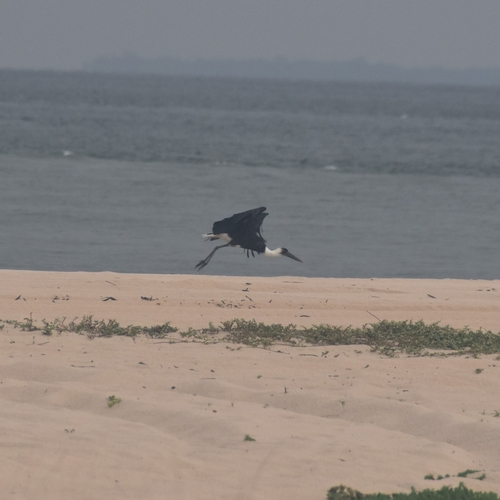
African Woolly-necked Stork (Ciconia microscelis) African Woolly-necked Stork
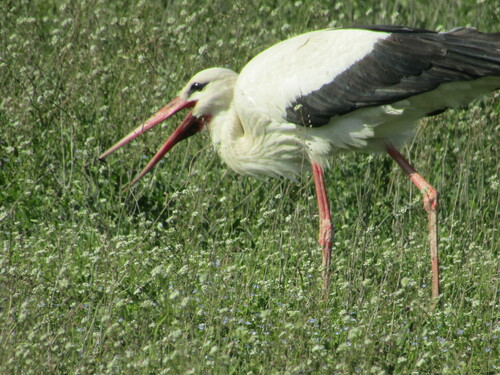
シュバシコウ (Ciconia ciconia) シュバシコウ

メディア

読み込み中…

要点

アフリカワタボウシコウとシュバシコウを区別する最も信頼できるフィールドマークは、首と頭の色のパターンです:ワタボウシコウは黒い帽子を持つ特徴的な白い首を示し、シュバシコウは全体が白い頭と首を持っています。飛行中、シュバシコウははるかに大きく、黒い飛行羽を持つクラシックな白い体を示しますが、ワタボウシコウは全体的に暗く、首、下腹部、尾の下にのみ白があります。幼鳥のワタボウシコウは白い額の斑点を示すことがありますが、これはシュバシコウには見られません。くちばしの色も重要です:ワタボウシコウは主に暗いくちばしを持ち、シュバシコウのくちばしは明るい赤です。両者は長い赤い脚を持っていますが、全体的な印象と羽毛のコントラストは注意深く見ると非常に異なります。

識別のコツ

  1. Neck and head pattern (all ages): アフリカワタボウシコウは常に対照的な黒い帽子を持つ白い首を示します;シュバシコウの頭と首は完全に白く、帽子やワタの質感はありません。
  2. Bill color (adults): ワタボウシコウは主に黒っぽいくちばしを持っています(時々基部が暗赤色);シュバシコウのくちばしは明るい赤で細長いです。これは中程度の距離で見えます。
  3. Body and wing color (adults): ワタボウシコウは全体的に光沢のある黒ですが、白い首、下腹部、尾の下を除きます;シュバシコウは白い体で、翼(飛行羽)には黒があります。
  4. Flight profile (all ages): 飛行中、シュバシコウはクラシックな白い体と前羽を示し、黒い一次羽と二次羽が鋭く対照的で、長くまっすぐな首を持っています。ワタボウシコウは全体的に暗く、白は首と肛門周辺に制限されています。
  5. Juvenile marks: 幼鳥のワタボウシコウは額に白い斑点と黒と白の羽毛の額を示すことがありますが、シュバシコウには見られません。若いシュバシコウは単に大人の鈍いバージョンで、額の斑点はありません。
  6. Size: シュバシコウはワタボウシコウよりもはるかに大きく、体重が重いですが、孤立した鳥や遠くからの視界ではサイズを判断するのが難しいです。
  7. Leg color: 両者は長い赤い脚を持っていますが、これは二者を区別するものではありません。
  8. Tail: ワタボウシコウは深く分かれた白い尾を持ち、通常は長い黒い尾の下の羽毛で隠れています;シュバシコウの尾は短く四角ですが、これはあまり役に立つフィールドマークではありません。
  9. Forearm skin (close views): ワタボウシコウは翼が開いているときに前腕の下側に沿って狭い明るいオレンジ赤の羽毛のない皮膚の帯を示します—この種に特有ですが、近距離または特定の姿勢でのみ見えます。
  10. Behavior: ワタボウシコウは孤立しているか小さな群れでいる可能性が高く、アクロバティックな飛行動作を示すことがあります;シュバシコウは特に移動中に大きく、より組織的な群れで見られることが多いです。
  11. Habitat: ワタボウシコウは森林の湿地や農業地域を含む多様な生息地を選ぶ柔軟性があります;シュバシコウは開けた国を好み、建物に巣を作る可能性が高いです。
  12. Iridescence: ワタボウシコウの黒い羽毛は、特に前首で銅紫色の虹色を示すことがあります;シュバシコウには虹色はありません。
  13. Voice: 両者は主に静かですが、ワタボウシコウは巣で口笛を吹いたり、 hiss することがあります;これは信頼できるフィールドマークではありません。
  14. Sexes: 両種は羽毛において性別的に単形であり、性別を使って区別しないでください。
  15. Pitfalls: 脚の色だけに頼らないでください;両者は赤い脚を示すことがあります。ワタボウシコウや黒い帽子が見えにくい遠くからの視界には注意してください—くちばしの色と全体的な体のコントラストをバックアップマークとして使用してください。

大きさ

シュバシコウはかなり大きく、長さは平均100–115 cm、翼幅は155–215 cmです [wikipedia]。アフリカワタボウシコウはコウノトリとしては中型で、75–92 cmの高さです [wikipedia]。このサイズの違いは、両者が一緒に見られると明らかですが、距離がある場合や単独の場合はそれほどではありません。両種はコウノトリに典型的な長い脚と首を持っていますが、シュバシコウはより大きく、長い体の外観を持っています。

羽色

行動

両者は広い翼を持つ滑空する鳥ですが、シュバシコウは特に移動中に大きく、より組織的な群れで見られる可能性が高いです。一方、アフリカワタボウシコウは通常孤立しているか、小さな緩い群れで見られます。ワタボウシコウはロールやダイビングなどのアクロバティックな飛行動作を行うことができ、巣から離れるときには「コウモリのような」急な飛行をすることがあると説明されています。両種は首を伸ばして飛びますが、シュバシコウの飛行はより威厳があり、直接的です。

生息環境

アフリカワタボウシコウは、森林の湿地、農業地域、アフリカ全土の淡水湿地など、広範な生息地を利用し、必ずしも湿地の種ではありません。単独または小さな緩いコロニーで巣を作り、しばしば木の中や人工構造物の上に作ります。シュバシコウは開けた国、湿地、農業風景により関連しており、特にその範囲内で建物や他の人造構造物に巣を作ることで有名です。両者は人の近くで見られることがありますが、シュバシコウは開けた地域で大群で見られる可能性が高いです。

声

両種は一般的に静かで、コウノトリに典型的です。アフリカワタボウシコウはディスプレイ中に二音節の口笛を発し、脅かされたときには激しい hiss 音を出すことがあります。シュバシコウには特有のフィールドコールは記録されておらず、両者は巣でくちばしを打ち鳴らすことがありますが、これは信頼できる区別マークではありません。

より良い説明を送る

比較と同じ項目を使ってください。文章はすぐに公開されます。

The most reliable field mark to separate African Woolly-necked Stork from White Stork is the color pattern of the neck and head: woolly-necked shows a distinctive downy white neck with a black cap, while White Stork has an all-white head and neck. In flight, White Stork is much larger and shows a classic white body with black flight feathers, whereas woolly-necked is overall darker with white only on the neck, lower belly, and under-tail. Juvenile woolly-necked storks can show a white forehead spot, which never occurs in White Stork. Bill color is also key: woolly-necked has a mostly dark bill, while White Stork's is bright red. Both have long red legs, but the overall jizz and plumage contrast are strikingly different with careful viewing.

  1. Neck and head pattern (all ages): African Woolly-necked Stork always shows a downy white neck with a contrasting black cap; White Stork's head and neck are entirely white with no cap or woolly texture.
  2. Bill color (adults): Woolly-necked has a mostly blackish bill (sometimes dark red at base); White Stork's bill is bright red and slender. This is visible at moderate range.
  3. Body and wing color (adults): Woolly-necked is glistening black overall except for the white neck, lower belly, and under-tail; White Stork is white-bodied with black only on the wings (flight feathers).
  4. Flight profile (all ages): In flight, White Stork shows a classic white body and forewing with sharply contrasting black primaries and secondaries, and a long, straight neck. Woolly-necked appears darker overall, with white restricted to the neck and vent area.
  5. Juvenile marks: Juvenile woolly-necked storks may show a white spot on the forehead and a streaked black-and-white feathered forehead, never seen in White Stork. Young White Storks are simply duller versions of adults, lacking any forehead spot.
  6. Size: White Stork is much larger and bulkier than woolly-necked, but beware of lone birds or distant views where size is hard to judge.
  7. Leg color: Both have long red legs, but this is not diagnostic between the two.
  8. Tail: Woolly-necked has a deeply forked white tail, usually hidden by long black under-tail coverts; White Stork's tail is short and square, but this is rarely a useful field mark.
  9. Forearm skin (close views): Woolly-necked shows a narrow, bright orange-red unfeathered skin band along the underside of the forearm when wings are open—unique to this species, but only visible at close range or in certain postures.
  10. Behavior: Woolly-necked is more likely to be solitary or in small groups and may show acrobatic flight maneuvers; White Stork is often seen in larger, more organized flocks, especially on migration.
  11. Habitat: Woolly-necked is more flexible in habitat choice, including forested wetlands and agricultural areas; White Stork prefers open country and is more likely to nest on buildings.
  12. Iridescence: Woolly-necked's black feathers can show coppery-purple iridescence, especially on the fore-neck; White Stork lacks any iridescence.
  13. Voice: Both are mostly silent, but woolly-necked may whistle or hiss at the nest; not a reliable field mark.
  14. Sexes: Both species are sexually monomorphic in plumage; do not use sex to separate them.
  15. Pitfalls: Do not rely on leg color alone; both can show red legs. Beware of distant or backlit views where the woolly neck or black cap may be hard to see—use bill color and overall body contrast as backup marks.

White Stork is significantly larger, averaging 100–115 cm in length with a 155–215 cm wingspan [wikipedia]. African Woolly-necked Stork is medium-sized for a stork, at 75–92 cm tall [wikipedia]. This size difference is obvious when both are seen together, but less so at a distance or alone. Both species have long legs and necks typical of storks, but White Stork has a bulkier, longer-bodied appearance.

  • Juveniles and immatures: Juvenile African Woolly-necked Stork is a duller version of the adult, with a feathered forehead (sometimes streaked black-and-white) and a prominent white mark in the center of the forehead in newly fledged birds. Immatures have less iridescence and longer, fluffier neck feathers. White Stork juveniles are similar to adults but with duller, less vivid red on the bill and legs, and lack any forehead spot or woolly neck texture.
  • Adults: African Woolly-necked Stork has a striking downy white neck, black cap, glistening black body, white lower belly and under-tail, and a deeply forked white tail (usually hidden). The bill is heavy and mostly blackish, sometimes with a dark red base. White Stork is white overall with black on the wings (flight feathers), long red legs, and a long, pointed red bill. The head and neck are entirely white, lacking any black cap or woolly texture. In flight, White Stork shows a classic white body and forewing with sharply contrasting black primaries and secondaries; woolly-necked is much darker overall, with only the neck and ventral area white.
  • Special mark: When woolly-necked stork opens its wings, a narrow, bright orange-red unfeathered skin band is visible along the underside of the forearm—unique to this species.

Both are broad-winged soaring birds, but White Stork is more likely to be seen in larger, more organized flocks, especially on migration, while African Woolly-necked Stork is usually solitary or in small, loose groups. Woolly-necked stork can perform acrobatic flight maneuvers such as rolling and diving, and has been described as having a 'bat-like' abrupt flight when leaving the nest. Both species fly with necks outstretched, but White Stork's flight is more stately and direct.

African Woolly-necked Stork uses a wide range of habitats, including marshes in forests, agricultural areas, and freshwater wetlands across Africa, and is not an obligate wetland species. It nests singly or in small loose colonies, often in trees, and occasionally on artificial structures. White Stork is more associated with open country, wetlands, and agricultural landscapes, and is famous for nesting on buildings and other human-made structures in its range. Both can be found near people, but White Stork is more likely to be seen in large numbers in open areas.

Both species are generally silent, as is typical for storks. African Woolly-necked Stork can give bisyllabic whistles during displays and a fierce hissing sound when threatened. No distinctive field-call is noted for White Stork; both may bill-clatter at nests, but this is not a reliable separation mark.

変更を破棄しますか?

保存していない編集があります。今離れると失われます。

African Woolly-necked Stork · シュバシコウ · 苦手な鳥