

Motmot

アフリカマメガン 対 シマアジ

Nettapus auritus 対 Spatula querquedula

アフリカマメガンとシマアジのクイズ
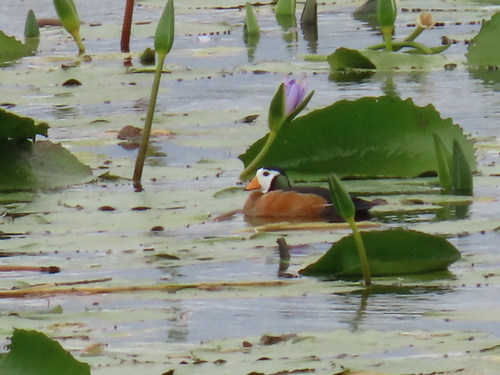
アフリカマメガン (Nettapus auritus) アフリカマメガン
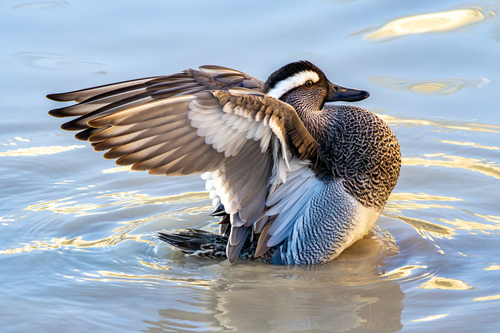
シマアジ (Spatula querquedula) シマアジ

メディア

読み込み中…

要点

アフリカマメガンとシマアジを区別する最も信頼できるフィールドマークは、サイズと構造です:アフリカマメガンははるかに小さく、短くて太いくちばしと、コンパクトでほぼティールのような外見を持っていますが、シマアジは典型的な小型の水面をついばむカモで、長く傾斜のあるくちばしとより細長い体を持っています。飛行中、成鳥のオスのシマアジは白い縁取りのある淡い青のスペキュラムを示し、すべての年齢のアフリカマメガンは二次羽に白いバーのある金属的な緑の翼を持っています。成鳥のオスは頭の模様で簡単に区別できます:シマアジは大胆な白い眉の三日月を持ち、オスのアフリカマメガンは黒と緑の斑点のある白い顔を持っています。メスと幼鳥はより難しいですが、アフリカマメガンは常にはるかに小さく、よりコンパクトで、独特のガチョウのようなくちばしと異なる顔の模様を持っています。生息地も手助けになります:アフリカマメガンはサハラ以南のアフリカの睡蓮に覆われた静かな水域に生息し、シマアジはユーラシアの渡り鳥で、北部の冬以外はアフリカで見られることはほとんどありません。

識別のコツ

  1. Size and structure: アフリカマメガンはシマアジよりもはるかに小さく、コンパクトです;両方を一緒に見ると、アフリカマメガンはほぼティールサイズかそれ以下に見え、短くて太いくちばしを持っています。シマアジはサイズと形状において典型的な水面をついばむカモです。
  2. Bill shape and color: アフリカマメガンは短く、わずかに上向きのくちばしを持ち、黄色のトーン(特に下顎)がありますが、シマアジは長く、灰色のスプーン状のくちばしを持っています。これは良い光の下で遠くからでも見えます。
  3. Wing pattern in flight (all ages): シマアジは白い縁取りのある淡い青のスペキュラムを示し、アフリカマメガンは二次羽に白いバーのある金属的な緑の翼を示しますが、青はありません。これは飛行中または羽繕い中の重要なマークです。
  4. Adult male head pattern: オスのアフリカマメガンは黒い目の斑点と粉青緑の耳の斑点、黒い冠、そして栗色の側面を持つ白い顔を持っています;オスのシマアジは大胆な白い眉(アイブロウ)を持つ茶色の頭と灰色の体を持っています。
  5. Adult female/immature face: メスのアフリカマメガンは茶色の汚れと暗い目のストライプのある灰色の顔を持っていますが、顔は決してシマアジほど大胆に模様が付いていません。メスのシマアジは淡い眉、暗い目のストライプ、そして第二の暗い線で囲まれた淡いロアスポットを持ち、より縞模様の外観を与えます。
  6. Juvenile plumage: 幼鳥のアフリカマメガンは白い顔を持ち、暗いV字型の冠と黒い目の斑点を持ち、尻と側面は白、背中と尾は黒です;幼鳥のシマアジは鈍いメスのようですが、コントラストが少なく、常に茶色です。
  7. Underparts: アフリカマメガンは常に白い腹部と下部を持っています;シマアジの下部は特にメスと幼鳥ではより灰色または茶色です。
  8. Flank and back color: オスのアフリカマメガンの側面は強烈な栗色で、背中は金属的な緑です;メスはより暗い茶色です。シマアジのオスは灰色の体を持ち、メスはまだらの茶色です。
  9. Leg and foot color: アフリカマメガンは暗い灰色から黒の足を持っています;シマアジは灰色の足と足を持っていますが、これはフィールドではほとんど見えません。
  10. Behavior: アフリカマメガンは通常、ペアまたは小さな群れで見られ、水面をついばむことはほとんどなく、主に種子を食べます。彼らはコンパクトで浮力があり、密な睡蓮のカバーを離れることはほとんどありません。シマアジはオープンな水域や湿地の端で水面をついばむのがより一般的で、大きな群れ(特に渡りや冬)で見られることが多く、より活発な水面をついばむ行動や頭を振る動作を示します。アフリカマメガンは陸を歩いたり、草を食べたりすることは少なく、シマアジは時々水の近くの泥や短い草の上に見られることがあります。
  11. Habitat: アフリカマメガンはサハラ以南のアフリカとマダガスカルの豊富な浮遊植物(特に睡蓮)のある静かなまたはゆっくり流れる水域に一年中生息しています。シマアジはヨーロッパとアジアの湿地や浅い湿地で繁殖し、アフリカ、インド、オーストラレーシアで冬を越しますが、北部の冬以外はアフリカには存在しません。シマアジはオープンな湿地、湖、洪水のある田んぼを好み、しばしば睡蓮のカバーがありません。北部の冬以外にアフリカの睡蓮の中に小さなカモを見た場合、それはほぼ確実にアフリカマメガンです。
  12. Seasonal occurrence: 北部の冬以外にアフリカで見られた場合、シマアジは非常に可能性が低いです;アフリカマメガンは常駐しています。
  13. Voice: シマアジのオスはパチパチとした求愛の鳴き声を持っていますが、アフリカマメガンは一般的に静かで、特に目立つ鳴き声は記録されていません。声はほとんどの状況でこれら二つを区別するための信頼できるフィールドマークではありません。
  14. Group size: アフリカマメガンは通常ペアまたは小さな群れで見られます;シマアジは渡りや冬に大きな群れを形成することがあります。
  15. Common pitfalls: メスと幼鳥のアフリカマメガンはメスのシマアジと混同されることがありますが、常にサイズ、くちばしの形、翼の模様を確認してください。シマアジはアフリカマメガンのコンパクトでガチョウのような構造や金属的な緑と白のバーのある翼を示すことはありません。

大きさ

アフリカマメガンはシマアジよりも劇的に小さいです。成鳥のアフリカマメガンは約260〜285gの重さで、翼の長さは142〜165mmです;彼らは世界で最も小さな水鳥の一つです。シマアジは水面をついばむカモの基準では小型ですが、それでもアフリカマメガンよりはるかに大きく、目に見えて長い体とくちばしを持っています。フィールドでは、アフリカマメガンはほぼティールサイズかそれ以下に見え、シマアジはユーラシアンティールや小型のマガモに近いです。くちばしの形も診断的です:アフリカマメガンは短くて太く、わずかに上向きのくちばしを持ち、シマアジは水面をついばむカモに典型的な長く傾斜のあるスプーン状のくちばしを持っています。

羽色

飛行中、成鳥のシマアジは白で縁取られた淡い青のスペキュラムを示し、すべての年齢と性別にとっての重要なマークです。アフリカマメガンはすべての性別、すべての年齢において、二次羽に白いバーのある金属的な緑の翼を持っていますが、青はありません。オスのアフリカマメガンは黒い斑点と粉青緑の耳の斑点、黒い冠、そして豊かな栗色の側面を持つ印象的な白い顔を持っています;メスは鈍く、灰色の顔と茶色の汚れを持っていますが、翼にはまだ白いバーがあります。シマアジのオスは茶色の頭と胸の上に大胆な白い眉(アイブロウ)を持ち、灰色の体とゆるい肩羽を持っています;メスは淡い眉と暗い目のストライプを持つまだらの茶色で、アフリカマメガンの強い顔のコントラストが欠けています。幼鳥のアフリカマメガンは鈍いメスに似ていますが、白い顔と暗いV字型の冠を持ち、幼鳥のシマアジは成鳥のメスに似ていますが、コントラストが少なくなっています。アフリカマメガンの下部は常に白ですが、シマアジはより灰色と茶色のトーンを示します。アフリカマメガンのくちばしの色は黄色がかっており(特に下顎)、シマアジのくちばしの色は常に灰色です。

行動

アフリカマメガンは通常、ペアまたは小さな群れで見られ、水面をついばむことはほとんどなく、主に種子を食べます。彼らはコンパクトで浮力があり、密な睡蓮のカバーを離れることはほとんどありません。シマアジはオープンな水域や湿地の端で水面をついばむのがより一般的で、大きな群れ(特に渡りや冬)で見られることが多く、より活発な水面をついばむ行動や頭を振る動作を示します。アフリカマメガンは陸を歩いたり、草を食べたりすることは少なく、シマアジは時々水の近くの泥や短い草の上に見られることがあります。

生息環境

アフリカマメガンはサハラ以南のアフリカとマダガスカルの豊富な浮遊植物(特に睡蓮)のある静かなまたはゆっくり流れる水域に一年中生息しています。シマアジはヨーロッパとアジアの湿地や浅い湿地で繁殖し、アフリカ、インド、オーストラレーシアで冬を越しますが、北部の冬以外はアフリカには存在しません。シマアジはオープンな湿地、湖、洪水のある田んぼを好み、しばしば睡蓮のカバーがありません。北部の冬以外にアフリカの睡蓮の中に小さなカモを見た場合、それはほぼ確実にアフリカマメガンです。

声

シマアジのオスは特徴的なパチパチとした求愛の鳴き声を持っていますが、メスはほとんど静かで、弱いクワックを出します。アフリカマメガンは一般的に静かで、特に目立つ鳴き声は記録されていません。声はほとんどの状況でこれら二つを区別するための信頼できるフィールドマークではありません。

より良い説明を送る

比較と同じ項目を使ってください。文章はすぐに公開されます。

The most reliable field mark to separate African Pygmy-Goose from Garganey is size and structure: the pygmy-goose is much smaller, with a short, stubby bill and a compact, almost teal-like jizz, while Garganey is a typical small dabbling duck with a longer, sloped bill and more elongated body. In flight, adult male Garganey shows a pale blue speculum with a white border, while African Pygmy-Goose of all ages has a metallic green wing with a white bar on the secondaries. Adult males are easily told apart by head pattern: Garganey has a bold white eyebrow crescent, while male pygmy-goose has a white face with black and green patches. Females and immatures are trickier, but pygmy-goose is always much smaller and more compact, with a unique goose-like bill and different face pattern. Habitat can help: pygmy-goose is found on lily-covered still waters in sub-Saharan Africa, while Garganey is a Palearctic migrant, rarely seen in Africa outside the northern winter.

  1. Size and structure: African Pygmy-Goose is much smaller and more compact than Garganey; if you see both together, pygmy-goose looks almost teal-sized or smaller, with a short, stubby bill. Garganey is a typical dabbling duck in size and shape, with a longer, sloping bill.
  2. Bill shape and color: Pygmy-goose has a short, slightly upturned bill with yellow tones (especially lower mandible), while Garganey has a longer, grey, spatulate bill. This is visible even at a distance with good light.
  3. Wing pattern in flight (all ages): Garganey shows a pale blue speculum with a white border; pygmy-goose shows a metallic green wing with a white bar on the secondaries, but no blue. This is a key mark in flight or when preening.
  4. Adult male head pattern: Male pygmy-goose has a white face with black eye patches and powder green ear spots, black crown, and chestnut flanks; male Garganey has a brown head with a bold white supercilium (eyebrow) and grey body.
  5. Adult female/immature face: Female pygmy-goose has a gray face with brown smudges and a dark eye-stripe, but face is never as boldly marked as Garganey. Female Garganey has a pale eyebrow, dark eye-stripe, and pale lore spot bordered by a second dark line, giving a more streaked appearance.
  6. Juvenile plumage: Juvenile pygmy-goose has a white face with a dark V-shaped crown and black eye patch, rump and flanks white, back and tail black; juvenile Garganey is like a dull female, with less contrast but always brownish overall.
  7. Underparts: Pygmy-goose always has a white belly and underparts; Garganey underparts are more grey or brown, especially in females and immatures.
  8. Flank and back color: Male pygmy-goose flanks are intensely chestnut, back metallic green; female is darker brown. Garganey males have grey body, females are mottled brown.
  9. Leg and foot color: Pygmy-goose has dark gray to black feet; Garganey has grey legs and feet, but this is rarely visible in the field.
  10. Behavior: Pygmy-goose is often seen among water lilies, rarely in open water, and almost never on land. Garganey is more likely to dabble in the open, sometimes walks on mud or short grass.
  11. Habitat: Pygmy-goose is restricted to lily-covered still waters in sub-Saharan Africa and Madagascar; Garganey is a Palearctic migrant, present in Africa only in the northern winter and prefers open marshes and lakes.
  12. Seasonal occurrence: If seen in Africa outside the northern winter, Garganey is very unlikely; pygmy-goose is resident.
  13. Voice: Garganey male has a crackling call, but pygmy-goose is generally silent; not a primary field mark.
  14. Group size: Pygmy-goose usually in pairs or small groups; Garganey can form large flocks in migration/winter.
  15. Common pitfalls: Female and juvenile pygmy-goose can be confused with female Garganey, but always check size, bill shape, and wing pattern. Garganey never shows the compact, goose-like structure or the metallic green and white-barred wing of pygmy-goose.

African Pygmy-Goose is dramatically smaller than Garganey. Adult pygmy-geese weigh about 260–285 g, with wings 142–165 mm long; they are one of the smallest waterfowl globally. Garganey is a small duck by dabbling duck standards, but still much larger than the pygmy-goose, with a noticeably longer body and bill. In the field, pygmy-goose appears almost teal-sized or smaller, while Garganey is closer to a Eurasian Teal or small Mallard. Bill shape is also diagnostic: pygmy-goose has a short, stubby, slightly upturned bill, while Garganey has a longer, sloping, spatulate bill typical of dabbling ducks.

In flight, adult Garganey shows a pale blue speculum bordered with white, a key mark for all ages and sexes. African Pygmy-Goose has a metallic green wing with a white bar on the distal secondaries (both sexes, all ages), but no blue. Male pygmy-goose has a striking white face with black patches and powder green ear spots, a black crown, and rich chestnut flanks; female is duller, with a gray face and brown smudges, but still has a white bar on the wing. Garganey males have a bold white supercilium (eyebrow) over a brown head and breast, with grey body and loose scapulars; females are mottled brown with a pale eyebrow and dark eye-stripe, lacking the strong face contrast of pygmy-goose. Juvenile pygmy-goose resembles a duller female but with a white face and dark V-shaped crown, while juvenile Garganey is like adult female but with less contrast. Underparts are always white in pygmy-goose, while Garganey shows more grey and brown tones. Bill color is yellowish in pygmy-goose (especially lower mandible), always grey in Garganey.

African Pygmy-Goose is typically seen in pairs or small groups, often among water lilies, feeding mainly on seeds and rarely dabbling in the open. They are compact, buoyant, and rarely leave dense lily cover. Garganey is more likely to be seen dabbling in open water or marsh edges, sometimes in large flocks (especially in migration/winter), and often shows more active dabbling and head-shaking. Pygmy-goose is less likely to be seen walking on land or grazing, while Garganey may sometimes be seen on mud or short grass near water.

African Pygmy-Goose is found year-round on still or slow-moving waters with abundant floating vegetation (especially water lilies) in sub-Saharan Africa and Madagascar. Garganey breeds in marshes and shallow wetlands across Europe and Asia, and winters in Africa, India, and Australasia, but is only present in Africa during the northern winter. Garganey prefers open marshes, lakes, and flooded fields, often without lily cover. If you see a small duck among lilies in Africa outside the northern winter, it is almost certainly a pygmy-goose.

Garganey males have a distinctive crackling mating call, while females are mostly silent or give weak quacks. African Pygmy-Goose is generally quiet, with no distinctive calls noted in the sources. Voice is not a reliable field mark for separating these two in most situations.

変更を破棄しますか?

保存していない編集があります。今離れると失われます。

アフリカマメガン · シマアジ · 苦手な鳥