

Motmot

ハイイロゲラ 対 ハイガシラゲラ

Dendropicos goertae 対 Dendropicos griseocephalus

ハイイロゲラとハイガシラゲラのクイズ
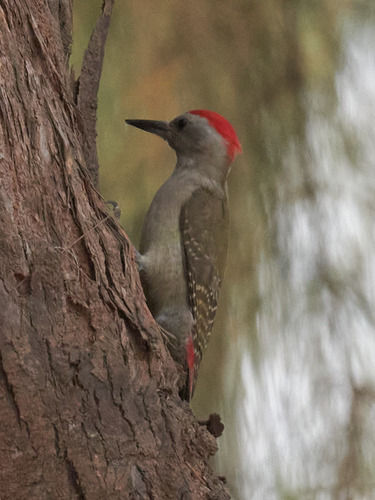
ハイイロゲラ (Dendropicos goertae) ハイイロゲラ
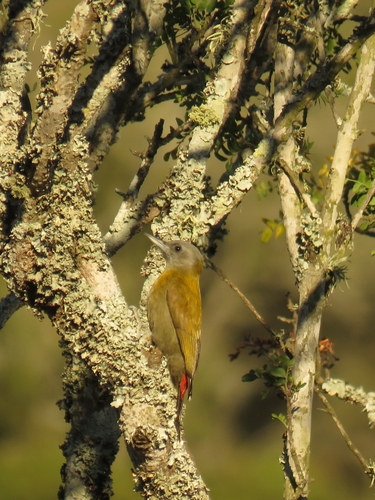
ハイガシラゲラ (Dendropicos griseocephalus) ハイガシラゲラ

メディア

読み込み中…

要点

アフリカハイイロゲラとハイガシラゲラを区別する最も信頼できる方法は、頭部と下部の色です:アフリカハイイロゲラは明らかに淡い灰色の頭部と下部を示し、一方ハイガシラゲラは暗い灰色の頭部と金色のトーンを持つ暗灰色オリーブの腹部を持っています。両種は赤い尾羽と小さな赤い腹部の斑点を持っていますが、上面の全体的なトーンはアフリカハイイロゲラではより緑がかっており、ハイガシラゲラではよりオリーブブロンズです。両種のオスは頭部に赤がありますが、パターンと色合いは異なります。両種の幼鳥はより鈍い色合いですが、アフリカハイイロゲラの幼鳥は全体的により淡いです。翼と尾のパターンには微妙な違いがありますが、現場ではあまり目立ちません。両者は中型のキツツキで、構造は似ていますので、最良のフィールドでの区別のためには羽毛と頭部のパターンに焦点を当ててください。

識別のコツ

  1. Head and Underpart Color: アフリカハイイロゲラは淡い灰色の頭部と下部を持ち、ハイガシラゲラよりも全体的にずっと淡く見えます。ハイガシラゲラは暗い灰色の頭部と金色のトーンを持つ暗灰色オリーブの腹部を持っています。これはすべての年齢と性別に対して最も一貫したフィールドマークです。
  2. Upperpart Color: アフリカハイイロゲラは無地の緑の上面を示し、ハイガシラゲラの背中は金色またはブロンズのトーンを持つオリーブです。良い光の下では、ハイガシラゲラは特にルウェンゾリ亜種で、よりブロンズ色または黄色がかって見えることがあります。
  3. Rump and Belly Patch: 両種は赤い尾羽と小さな赤またはピンクの腹部の斑点を持っています。ハイガシラゲラでは、尾羽は明るいスカーレットで、灰色の基部と黒い亜端のバーがある可能性があり、腹部の斑点はより大きく、ピンクがかることがあります。アフリカハイイロゲラでは、尾羽は無地の赤で、腹部の斑点は小さいです。
  4. Sexual Dimorphism: 両種のオスは頭部に赤があります。アフリカハイイロゲラのオスは赤い冠を持ち、ハイガシラゲラのオスは目立つ赤い後頭部と中冠を示します。両方の雌は無地の灰色の頭部を持っていますが、ハイガシラゲラの雌は暗い灰色の頭部と短いくちばしを持っています。
  5. Juvenile Plumage: 幼いアフリカハイイロゲラはより淡く、淡い赤と可能な側面の縞模様を持っています。幼いハイガシラゲラは鈍く、緑がかり、成鳥の黄色の色合いがなく、腹部にはほとんど赤がなく、尾羽は成鳥よりも淡い赤です。家族群を観察する際には、これらの違いを利用してください。
  6. Tail Pattern: 両者は黒っぽい尾を持っていますが、ハイガシラゲラは一部の尾羽にオリーブグリーンのエッジを示す可能性があり、縞模様がありません。アフリカハイイロゲラの尾は単に黒っぽいです。
  7. Wing Pattern: ハイガシラゲラの翼はブロンズまたは暗褐色で、飛行羽に微妙な白い斑点と縞模様があり、オリーブまたは赤みがかったエッジがありますが、これらは非常に近くないと見るのが難しいです。アフリカハイイロゲラの翼はパターンがあるとは記述されていません。
  8. Bill Color: ハイガシラゲラは灰色の上くちばしと青みがかった下くちばしを持っていますが、これは微妙で、現場で診断的であることは稀です。アフリカハイイロゲラのくちばしは二色とは記述されていません。
  9. Leg Color: ハイガシラゲラは灰色またはオリーブ色の脚を持っていますが、これは遠くからの信頼できるフィールドマークではありません。
  10. Iris Color: ハイガシラゲラの虹彩は茶色です。虹彩の色はアフリカハイイロゲラについては記述されていません。
  11. Structure: 両種はサイズと構造が似ており、まっすぐなくちばしと硬い尾を持っています。雌のハイガシラゲラはわずかに短いくちばしを持つかもしれませんが、これは強いフィールドマークではありません。
  12. Habitat: 両種は森林の生息地を占めていますが、アフリカハイイロゲラはより広範囲に分布し、森林だけでなく茂みでも見られます。ハイガシラゲラは南東アフリカにより制限されており、成熟した森林や山地の森林を好むかもしれません。生息地はあくまで補助的な手がかりとして使用してください。
  13. Behavior: 両種は典型的なキツツキのように振る舞い、幹や枝で餌を探します。行動は強い区別要因ではありません。
  14. Flight Views: 飛行中は、ハイガシラゲラの明るいスカーレットの尾羽を探してください。時には灰色の基部と黒いバーがあり、アフリカハイイロゲラの無地の赤い尾羽と対比されます。ただし、これは微妙で、頭部と下部の色と組み合わせて使用するのが最良です。
  15. Pitfalls: 両種は幼鳥に側面の縞模様を示すことがあり、両者は赤い尾羽と腹部の斑点を持っています。これらの特徴だけに頼らず、常に確認のために頭部と下部の色をチェックしてください。

大きさ

両種はサイズと構造が似ており、小型から中型のDendropicosキツツキに典型的です。アフリカハイイロゲラは約20 cmの長さ(質量データは利用できません)で、ハイガシラゲラは体重が約41 gです。現場では、どちらの種も他の種よりも目立って大きく見えることはなく、両者はまっすぐなくちばしと硬い尾を持つ典型的なキツツキの形をしています。雌のハイガシラゲラではくちばしの長さがわずかに短くなるかもしれませんが、これは微妙で主要なフィールドマークではありません。

羽色

両種の幼鳥は成鳥よりも鈍い色合いですが、アフリカハイイロゲラの幼鳥は全体的により淡い灰色で、尾羽と腹部の赤も淡い色合いで、側面の縞模様を示すことがあります。幼いハイガシラゲラは上面がわずかに緑がかり、腹部は灰色で黄色が少なく、尾羽は成鳥よりも淡い赤です。成鳥では、アフリカハイイロゲラは無地の緑の上面、淡い灰色の頭部と下部、赤い尾羽、小さな赤い腹部の斑点を持っています。成鳥のハイガシラゲラは暗い灰色の頭部と首、オリーブからブロンズの背中、金色のトーンを持つ暗灰色オリーブの腹部、変動する赤またはピンクの腹部の斑点を持っています。両種は黒っぽい尾を持っていますが、ハイガシラゲラの尾はオリーブグリーンのエッジを示す可能性があり、縞模様がなく、アフリカハイイロゲラの尾は単に黒っぽいです。飛行中、ハイガシラゲラのスカーレットの尾羽はしばしばより目立ち、灰色の基部と黒い亜端のバーを示すことがありますが、アフリカハイイロゲラの尾羽は無地の赤です。ハイガシラゲラの翼の覆羽と飛行羽は微妙な白い斑点と縞模様を示し、オリーブまたは赤みがかったエッジがありますが、これらは現場で常に容易に見えるわけではありません。

行動

両種は典型的なキツツキのように振る舞い、幹や枝で餌を探し、硬い尾を支えとして使用します。フィールド識別に役立つ強い行動の違いは、情報源には記載されていません。両種は木の穴に巣を作り、ドラムを叩いたり巣穴を掘ったりするのが見られます。

生息環境

両種はサハラ以南のアフリカに見られ、類似の森林の生息地を占めています。アフリカハイイロゲラはサハラ以南および赤道アフリカの広範囲にわたって一般的で、森林や茂みで見られます。ハイガシラゲラは南東アフリカにより局所的で、異なる地域に3つの亜種があります。両者は森林地域を好みますが、ハイガシラゲラは山地や成熟した森林により関連しているかもしれません。一方、アフリカハイイロゲラは茂みや森林の縁を含むより広範な森林の生息地に見られます。生息地だけでは、範囲が重なる場所での信頼できる区別要因ではありません。

より良い説明を送る

比較と同じ項目を使ってください。文章はすぐに公開されます。

The most reliable way to separate African Grey Woodpecker from Olive Woodpecker is by head and underpart color: African Grey Woodpecker shows a distinctly pale grey head and underparts, while Olive Woodpecker has a darker grey head and a belly that is dark grey-olive with golden tones. Both species have red rumps and small red belly patches, but the overall tone of the upperparts is greener in African Grey and more olive-bronze in Olive Woodpecker. Males of both species have red on the head, but the pattern and shade differ. Juvenile birds of both species are duller, but African Grey juveniles are paler overall. Subtle differences in wing and tail pattern are present but less obvious in the field. Both are medium-sized woodpeckers with similar structure, so focus on plumage and head pattern for the best field separation.

  1. Head and Underpart Color: African Grey Woodpecker has a pale grey head and underparts, making it look much paler overall than Olive Woodpecker, which has a dark grey head and a belly that is dark grey-olive with golden tones. This is the most consistent field mark for all ages and sexes.
  2. Upperpart Color: African Grey Woodpecker shows unmarked green upperparts, while Olive Woodpecker's mantle is olive with golden or bronze tones. In good light, Olive Woodpecker may appear more bronzy or yellowish above, especially in the Ruwenzori subspecies.
  3. Rump and Belly Patch: Both species have a red rump and a small red or pink belly patch. In Olive Woodpecker, the rump is bright scarlet with possible grey bases and black subterminal bars, and the belly patch can be larger and pinker. In African Grey, the rump is a solid red and the belly patch is small.
  4. Sexual Dimorphism: Males of both species have red on the head. African Grey male has a red crown, while Olive Woodpecker male shows a prominent red nape and mid-crown. Females of both are plain grey-headed, but Olive Woodpecker females have a darker grey head and a shorter bill.
  5. Juvenile Plumage: Juvenile African Grey Woodpeckers are paler, with paler reds and possible flank barring. Juvenile Olive Woodpeckers are duller, greener above, and lack the yellow hues of adults, with little or no red on the belly and a paler red rump. Use these differences when observing family groups.
  6. Tail Pattern: Both have blackish tails, but Olive Woodpecker may show olive green edges on some tail feathers and lacks barring. African Grey's tail is simply blackish.
  7. Wing Pattern: Olive Woodpecker's wings are bronze or dark brown with subtle white spotting and barring on the flight feathers, and olive or reddish edges, but these are hard to see unless very close. African Grey's wings are not described as patterned.
  8. Bill Color: Olive Woodpecker has a grey upper mandible and bluish lower mandible, but this is subtle and rarely diagnostic in the field. African Grey's bill is not described as bicolored.
  9. Leg Color: Olive Woodpecker has greyish or olive legs, but this is not a reliable field mark at distance.
  10. Iris Color: Olive Woodpecker's irises are brown; iris color is not described for African Grey.
  11. Structure: Both species are similar in size and structure, with straight bills and stiff tails. Female Olive Woodpecker may have a slightly shorter bill, but this is not a strong field mark.
  12. Habitat: Both species occupy wooded habitats, but African Grey is more widespread and can be found in bush as well as forest. Olive Woodpecker is more restricted to southeast Africa and may prefer mature or montane forest. Use habitat only as a supporting clue.
  13. Behavior: Both species behave like typical woodpeckers, foraging on trunks and branches. Behavior is not a strong separator.
  14. Flight Views: In flight, look for the brighter scarlet rump of Olive Woodpecker, sometimes with grey bases and black bars, versus the solid red rump of African Grey. However, this is subtle and best used in combination with head and underpart color.
  15. Pitfalls: Both species can show some flank barring in juveniles, and both have red rumps and belly patches. Do not rely solely on these features; always check head and underpart color for confirmation.

Both species are similar in size and structure, typical of small to medium Dendropicos woodpeckers. African Grey Woodpecker is about 20 cm in length (no mass data available), while Olive Woodpecker averages around 41 g in body mass. In the field, neither species appears noticeably larger or bulkier than the other, and both have a typical woodpecker shape with a straight bill and stiff tail. Bill length may be slightly shorter in female Olive Woodpecker, but this is subtle and not a primary field mark.

Juveniles of both species are duller than adults, but African Grey Woodpecker juveniles are paler grey overall, with paler reds on rump and belly, and may show some flank barring. Juvenile Olive Woodpeckers are slightly greener above, have greyer, less yellow bellies, and their rump is a paler red than adults. In adults, African Grey Woodpecker has unmarked green upperparts, a pale grey head and underparts, a red rump, and a small red belly patch. Adult Olive Woodpecker has a darker grey head and neck, an olive to bronze mantle, dark grey-olive belly with golden tones, and a variable red or pink belly patch. Both species have blackish tails, but Olive Woodpecker's tail may show olive green edges and lacks barring, while African Grey's tail is simply blackish. In flight, the scarlet rump of Olive Woodpecker is often more prominent and can show grey bases and black subterminal bars, while African Grey's rump is a solid red. Wing coverts and flight feathers in Olive Woodpecker show subtle white spotting and barring, with olive or reddish edges, but these are not always easily seen in the field.

Both species behave like typical woodpeckers, foraging on trunks and branches, using their stiff tails for support. There is no strong behavioral difference noted in the sources that would help with field identification. Both species nest in tree holes and may be seen drumming or excavating nest sites.

Both species are found in Sub-Saharan Africa and occupy similar wooded habitats. African Grey Woodpecker is widespread and common in forests and bush across much of Sub-Saharan and equatorial Africa. Olive Woodpecker is more localized to southeast Africa, with three subspecies in different regions. Both prefer forested areas, but Olive Woodpecker may be more associated with montane and mature forest, while African Grey can be found in a broader range of wooded habitats including bush and forest edge. Habitat alone is not a reliable separator where ranges overlap.

変更を破棄しますか?

保存していない編集があります。今離れると失われます。

ハイイロゲラ · ハイガシラゲラ · 苦手な鳥