

Motmot

アデリーペンギン 対 ジェンツーペンギン

Pygoscelis adeliae 対 Pygoscelis papua

アデリーペンギンとジェンツーペンギンのクイズ
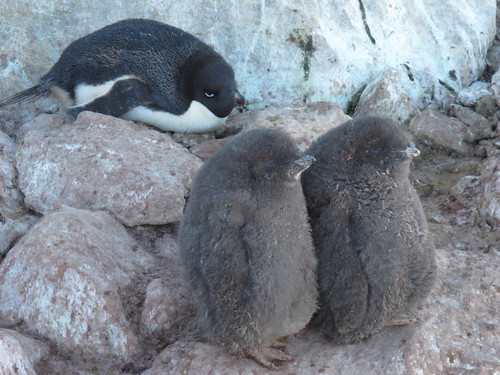
アデリーペンギン (Pygoscelis adeliae) アデリーペンギン
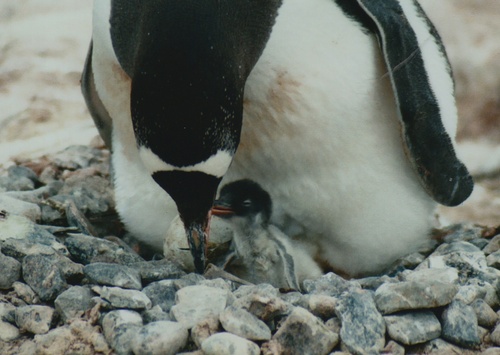
ジェンツーペンギン (Pygoscelis papua) ジェンツーペンギン

メディア

読み込み中…

要点

アデリーペンギンとジェンツーペンギンを分ける最も信頼できる方法は、頭の模様とくちばしの色によるものです:成鳥のジェンツーペンギンは、頭頂に大胆な白い帯を持ち、明るいオレンジ赤のくちばしを示しますが、成鳥のアデリーペンギンは、特徴的な白いアイリングとほぼ黒いくちばしを持つシンプルな黒い頭をしています。幼鳥のアデリーペンギンは混乱を招くことがありますが、完全なアイリングが発達する前や、顎と喉が白いときは特にそうです。しかし、彼らは決してジェンツーの白い頭頂帯や長く目立つ尾を示すことはありません。飛んでいるときや地上にいるとき、ジェンツーペンギンはより大きく、歩くときに左右に振れる明らかに長い尾を持っています。まず頭の模様を確認し、次にくちばしの色と尾の長さをバックアップとして使用してください。特に未成熟の個体についてはそうです。

識別のコツ

  1. 頭の模様が重要です: 成鳥のジェンツーペンギンは、目から目までの頭頂に広い白い帯を持ち、「ボンネット」を形成しますが、アデリーペンギンはどの年齢でもこれを示しません。アデリーペンギンは、白いアイリング(成鳥)またはシンプルな顔(未成熟)を持つシンプルな黒い頭をしています。
  2. くちばしの色: ジェンツーペンギンのくちばしは明るいオレンジ赤で羽毛がなく、遠くからでも明らかです。アデリーペンギンのくちばしはほぼ黒で、基部に羽毛がたくさんあり、先端だけが露出しています(時にはかすかな赤みを帯びた印があることもあります)。これは成鳥と未成熟の両方に見られます。
  3. アイリング: 成鳥のアデリーペンギンは目立つ白いアイリングを持っていますが、ジェンツーペンギンは持っていません。未成熟のアデリーペンギンは完全なアイリングを欠いているため、若い鳥には他の特徴を使用してください。
  4. 尾の長さと姿勢: ジェンツーペンギンは、どのペンギンよりも長い尾を持ち、歩くときにしばしば外に突き出て左右に振れるのが見られます。アデリーペンギンの尾ははるかに短く、目立ちません。
  5. 顎と喉の色(未成熟): 未成熟のアデリーペンギンは白い顎と喉を持ち、他の種と混同されることがありますが、彼らは依然としてジェンツーの白い頭頂帯とオレンジのくちばしを欠いています。
  6. 上面の色合い(未成熟): 若いアデリーペンギンは上面に青みがかった色合いを示すことがありますが、これは微妙で、頭とくちばしの模様ほど有用ではありません。
  7. 翼の模様: 両種は黒い上翼に白い後縁、白い下翼に狭い黒い前縁を持っているため、これは強力な区別要因ではありません。
  8. 足の色: ジェンツーペンギンの足は淡い白っぽいピンク色です。アデリーペンギンの足はピンクがかっていますが、通常は短い脚と少ない尾のために目立ちません。
  9. サイズと体格: ジェンツーペンギンは一般的に大きく、体格がしっかりしていますが、サイズの重複があるため、これはあくまで補助的な特徴です。
  10. コロニーの場所: ジェンツーペンギンは内陸や草地に巣を作ることがありますが、アデリーペンギンは岩だらけで氷のない沿岸の地面に固執します。南極半島では、両者が一緒に見られることがあります。
  11. 行動: ジェンツーペンギンが歩くときに尾を振るのを観察してください。アデリーペンギンはこれを示しません。
  12. 性差: 両種は羽毛において性別による形態的差異がありませんが、ジェンツーペンギンのオスはわずかに大きく見えることがあります。
  13. 飛行と止まっているとき: 飛行中は、頭とくちばしの模様が近距離でも見えます。休んでいるときは、頭の模様と尾の長さが最も明らかです。
  14. 羽毛の落とし穴: 白い顎と喉を持つ未成熟のアデリーペンギンは他の種と間違われることがありますが、決してジェンツーの白い頭頂帯やオレンジのくちばしを示しません。
  15. 疑わしい場合: 常に頭の模様(白い頭頂帯対シンプルな黒のアイリング)を優先し、次にくちばしの色、次に尾の長さを優先して、すべての年齢と季節で最も信頼できる分離を行ってください。

大きさ

ジェンツーペンギンは一般的にアデリーペンギンよりも大きく、重いです。ジェンツーは70〜90 cmの長さに達することができ(南部の鳥は平均75〜80 cm)、アデリーペンギンは70〜73 cmです。成鳥のジェンツーペンギンのオスは、換羽前に最大8.5 kgまで体重を増やし、メスは最大8.2 kgまで増えますが、アデリーペンギンの成鳥は平均約5 kg(5045 g)です。ジェンツーペンギンはまた、特に目立つ尾のために、より体格がしっかりしていて長い体に見えます。しかし、サイズの重複があるため、正確な識別には構造的および羽毛の特徴を使用してください。

羽色

幼鳥および未成熟のアデリーペンギンは他のPygoscelisペンギンと混同されることがありますが、この年齢でもジェンツーの広い白い頭頂帯とオレンジのくちばしを欠いています。未成熟のアデリーペンギンは白い顎と喉を持ち、上面に青みがかった色合いを示しますが、頭は白い帯なしでシンプルなままです。成鳥のアデリーペンギンは上面が黒で、下面が白で、目立つ白いアイリングとほぼ黒いくちばしを持っています(先端だけが露出し、かすかな赤褐色を示すことがあります)。ジェンツーの成鳥は、目から目までの頭頂に広い白い帯が走り、明るいオレンジ赤のくちばしと淡い白っぽいピンクの足を持っているため、間違いなく識別できます。彼らの尾は他のどのペンギンよりも長く、しばしば彼らの後ろを振るのが見られます。飛行中、両者は黒い上翼に白い後縁を持っていますが、ジェンツーの頭とくちばしの模様は近距離でも見えます。

行動

ジェンツーペンギンは、歩くときに長い尾を突き出して左右に振れるのがよく見られますが、アデリーペンギンはこれを示しません。両種はコロニーで巣を作り、巣のために石を使用しますが、ジェンツーペンギンは内陸や草地で見られることが多く、時には海岸から2 kmまで離れることがありますが、アデリーペンギンは岩だらけで氷のない沿岸の場所に固執します。両種は社交的で、コロニーでは騒がしいことがありますが、尾の姿勢や歩き方を超えて、フィールド識別のための強い行動の違いはありません。

生息環境

アデリーペンギンは厳密に南極に生息し、南極の海岸全体と近くの島々で繁殖し、常に海の近くの氷のない岩の地面にいます。ジェンツーペンギンは亜南極の島々や南極半島で繁殖し、氷のない地域を好み、しばしば草地や小石の多い場所、時には内陸に生息します。もし草地の内陸でペンギンを見つけた場合、ジェンツーの可能性が高いですが、南極大陸自体ではアデリーペンギンがデフォルトです。しかし、両者は南極半島で重複することがあるため、単独の生息地では診断的ではありません。

より良い説明を送る

比較と同じ項目を使ってください。文章はすぐに公開されます。

The most reliable way to separate Adélie and Gentoo Penguins is by head pattern and bill color: adult Gentoos show a bold white band across the crown and a bright orange-red bill, while adult Adélies have a plain black head with a distinctive white eye ring and a mostly black bill. Juvenile Adélies can be confusing, especially before they develop the full eye ring and when their chin and throat are white, but they never show the Gentoo's white crown band or long, prominent tail. In flight or on land, Gentoos are also bulkier and have a noticeably longer tail that sweeps side to side as they walk. Always check the head pattern first, but use bill color and tail length as backup, especially for immatures.

  1. Head pattern is key: Adult Gentoo Penguins have a broad, white band across the crown from eye to eye, forming a 'bonnet'—never shown by Adélie of any age. Adélies have a plain black head with a white eye ring (adults) or plain face (immatures).
  2. Bill color: Gentoo bills are bright orange-red and unfeathered, obvious even at a distance. Adélie bills are mostly black and heavily feathered at the base, with only the tip exposed (sometimes with a faint reddish mark). This is visible in both adults and immatures.
  3. Eye ring: Adult Adélies have a conspicuous white eye ring; Gentoo Penguins do not. Immature Adélies lack the full eye ring, so use other marks for young birds.
  4. Tail length and carriage: Gentoo Penguins have the longest tail of any penguin, often seen sticking out and sweeping side to side as they walk. Adélie tails are much shorter and less noticeable.
  5. Chin and throat color (immatures): Immature Adélies have white chins and throats, which can cause confusion with other species, but they still lack the Gentoo's white crown band and orange bill.
  6. Upperparts hue (immatures): Young Adélies may show a bluer tinge to their upperparts, but this is subtle and not as useful as head and bill pattern.
  7. Wing pattern: Both species have black upperwings with white trailing edges and white underwings with a narrow black leading edge, so this is not a strong separator.
  8. Feet color: Gentoo feet are pale whitish-pink; Adélie feet are pinkish but usually less conspicuous due to shorter legs and less tail.
  9. Size and bulk: Gentoos are generally larger and bulkier, but size overlap means this is only a supporting mark.
  10. Colony location: Gentoos may nest inland or in grassy areas, Adélies stick to rocky, ice-free coastal ground. On the Antarctic Peninsula, both may occur together.
  11. Behavior: Watch for the Gentoo's tail sweeping as it walks; Adélies do not show this.
  12. Sex differences: Both species are sexually monomorphic in plumage, but Gentoo males may appear slightly larger.
  13. Flight vs perched: In flight, head and bill pattern are still visible at close range; at rest, head pattern and tail length are most obvious.
  14. Plumage pitfalls: Immature Adélies with white chins and throats can be mistaken for other species, but never show the Gentoo's white crown band or orange bill.
  15. When in doubt: Always prioritize head pattern (white crown band vs plain black with eye ring), then bill color, then tail length for the most reliable separation in all ages and seasons.

Gentoo Penguins are generally larger and heavier than Adélie Penguins. Gentoos can reach 70–90 cm in length (with southern birds averaging 75–80 cm), while Adélies are 70–73 cm. Adult Gentoo males can weigh up to 8.5 kg before moulting, and females up to 8.2 kg, while Adélie adults average about 5 kg (5045 g). Gentoos also appear bulkier and longer-bodied, especially due to their prominent tail. However, size overlap is possible, so use structural and plumage features for positive ID.

Juvenile and immature Adélie Penguins can be confused with other Pygoscelis penguins, but even at this age, they lack the Gentoo's broad white crown band and orange bill. Immature Adélies have a white chin and throat and a bluer tinge to their upperparts, but their head remains plain without any white band. Adult Adélies are black above and white below, with a conspicuous white eye ring and a mostly black bill (only the tip is exposed and may show faint reddish-brown). Gentoo adults are unmistakable with a wide white band running from eye to eye over the crown, a bright orange-red bill, and pale whitish-pink feet. Their tail is longer and more prominent than any other penguin, often visible as it sweeps behind them. In flight, both show black upperwings with white trailing edges, but the Gentoo's head and bill pattern remain visible at close range.

Gentoo Penguins are often seen with their long tails sticking out and sweeping side to side as they walk, a behavior not shown by Adélies. Both species nest in colonies and use stones for nests, but Gentoos are more likely to be seen inland or in grassy areas, sometimes up to 2 km from the coast, while Adélies stick to rocky, ice-free coastal sites. Both species are social and can be noisy at colonies, but there are no strong behavioral differences for field identification beyond tail carriage and walking style.

Adélie Penguins are strictly Antarctic, breeding along the entire Antarctic coast and on nearby islands, always on ice-free rocky ground near the sea. Gentoo Penguins breed on subantarctic islands and the Antarctic Peninsula, favoring ice-free areas, often grassy or pebbly, and sometimes well inland. If you find penguins far inland in grassy terrain, Gentoo is more likely; on the Antarctic continent itself, Adélie is the default. However, both can overlap on the Antarctic Peninsula, so habitat alone is not diagnostic.

変更を破棄しますか?

保存していない編集があります。今離れると失われます。

アデリーペンギン · ジェンツーペンギン · 苦手な鳥