
Zone-tailed Hawk vs Ferruginous Hawk
Buteo albonotatus contro Buteo regalis
Fai un quiz con Zone-tailed Hawk e Ferruginous Hawk
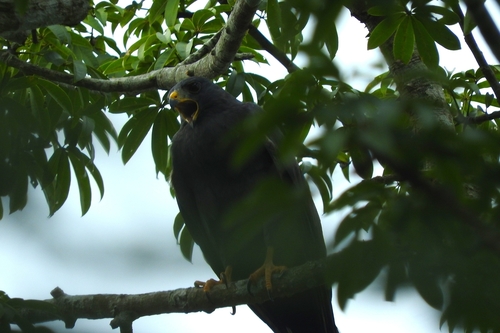 Zone-tailed Hawk
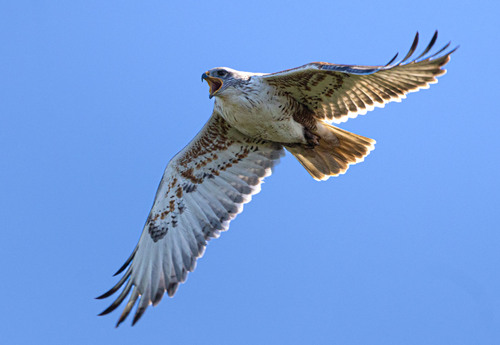 Ferruginous Hawk
In breve
Il modo più affidabile per separare la Zone-tailed Hawk dalla Ferruginous Hawk è il tono generale del piumaggio e il modello delle ali in volo: la Zone-tailed è quasi nera con piume di volo chiare a barre e una coda audacemente striata, mentre la Ferruginous è chiara sotto con parti superiori rugginose e bianche, e mostra distintive 'finestre' chiare nelle ali e un sottocoda rugginoso. Le Zone-tailed immature hanno piccole macchie bianche sul petto e code più finemente striate, ma appaiono comunque scure nel complesso; le Ferruginous Hawks, indipendentemente dall'età, mostrano un corpo inferiore bianco e toni rugginosi o arrugginiti prominenti sopra. Strutturalmente, la Ferruginous è molto più robusta e con ali più lunghe, con gambe piumate fino alle dita, mentre la Zone-tailed è più snella e simile a un avvoltoio in volo. Entrambe le specie possono planare con un dihedro, ma la loro colorazione e forma sono molto diverse quando viste bene.
Consigli di identificazione
- Overall color in flight: La Zone-tailed Hawk è quasi nera con primarie chiare a barre e una coda audacemente striata; la Ferruginous Hawk è bianca sotto con rugginoso e bianco sopra, e non appare mai completamente scura.
- Tail pattern: La Zone-tailed mostra 3–4 bande chiare attraverso la coda (la seconda dalla punta è la più larga), visibili dall'alto e dal basso; la Ferruginous ha una coda chiara con un lavaggio rugginoso e manca di forti striature.
- Upperwing in flight: La Ferruginous Hawk mostra due 'finestre' chiare sulla parte superiore esterna dell'ala e un sottocoda rugginoso—unico tra i Buteo. La Zone-tailed manca di questi pannelli chiari ed è uniformemente scura sopra, eccetto per le primarie a barre.
- Underwing pattern: La Ferruginous ha ali inferiori bianche con segni patagiali rugginosi e segni scuri a 'virgola' al polso; le ali inferiori della Zone-tailed sono scure con barre chiare sulle piume di volo, mancando di qualsiasi base rugginosa o bianca.
- Leg feathering: La Ferruginous Hawk ha gambe piumate fino alle dita (come un'Aquila reale); la Zone-tailed ha gambe gialle scoperte.
- Head and facial markings: La Ferruginous ha una testa bianca con una striscia scura sugli occhi; la Zone-tailed è scura in testa con una possibile debole macchia bianca sul viso e lore grigio chiaro.
- Breast and belly: La Ferruginous è bianca sul ventre, anche nelle immature; la Zone-tailed è scura sul ventre, con le immature che mostrano solo piccole macchie bianche.
- Flight shape: La Ferruginous è massiccia, con ali lunghe e un petto ampio; la Zone-tailed è snella, con coda e ali lunghe, e una silhouette simile a un avvoltoio.
- Flight style: Entrambe possono planare con le ali in un dihedro, ma la Zone-tailed oscilla da un lato all'altro e spesso si unisce a stormi di avvoltoi, mentre la Ferruginous è più stabile e potente.
- Perched posture: La Ferruginous appare eretta, grande e pesante; la Zone-tailed è più snella e meno massiccia.
- Bill and feet: La Ferruginous ha un becco più grande e i piedi più robusti tra i Buteo; la Zone-tailed ha un becco più piccolo e piedi meno massicci.
- Habitat context: La Ferruginous si trova in pianure aperte e praterie; la Zone-tailed preferisce canyon, pendii aridi e boschi aperti.
- Immature confusion: Le immature Zone-tailed sono ancora scure nel complesso, con solo piccole macchie bianche sul petto e una coda finemente striata; le immature Ferruginous sono sempre chiare sotto e rugginose sopra.
- Tail length: La Zone-tailed ha una coda proporzionalmente più lunga, che migliora il suo aspetto simile a un avvoltoio; la coda della Ferruginous è ampia e non così lunga rispetto al corpo.
- Seasonal/sex differences: Entrambi i sessi sono simili nel piumaggio; le femmine Ferruginous sono più grandi, ma questo non è un segno affidabile sul campo. Nessuna forte variazione stagionale in entrambe le specie.
Taglia
La Ferruginous Hawk è significativamente più grande e massiccia della Zone-tailed Hawk. Mentre la Zone-tailed pesa in media 762,5 g [wikidata], la Ferruginous è il più grande Buteo in Nord America, con una struttura molto più robusta, ali più lunghe e un becco e piedi più grandi. Il tarso e la coda della Ferruginous Hawk sono entrambi più lunghi, e la sua apertura alare è maggiore. La Zone-tailed è un Buteo di dimensioni medie e snello, comparabile in lunghezza alla Poiana codarossa ma più leggera e meno massiccia. Sul campo, la Ferruginous apparirà massiccia, con un petto ampio e una testa grande, mentre la Zone-tailed è snella e quasi simile a un avvoltoio.
Piumaggio
- Immatures/Juveniles:
- Zone-tailed Hawk: Le immature sono scure nel complesso, come gli adulti, ma mostrano piccole macchie bianche sul petto e una coda con bande grigie e nere strette e una punta scura ampia. Le ali rimangono per lo più nerastre con piume di volo a barre, dando un aspetto argentato da lontano. Nessuna parte inferiore chiara o toni rugginosi.
- Ferruginous Hawk: Sia gli adulti che le immature sono chiare sotto, con un petto e un ventre bianchi, e una testa bianca con una striscia scura sugli occhi. Le parti superiori sono rugginose, specialmente sulla schiena e sulle copritrici delle ali interne, e le ali inferiori sono bianche con segni patagiali rugginosi e segni scuri a 'virgola' al polso. In volo, la parte superiore dell'ala mostra due 'finestre' chiare e un sottocoda rugginoso, che sono unici tra i Buteos.
- Adults:
- Zone-tailed Hawk: Uniformemente nerastre con piume di volo grigie a barre e una coda con 3–4 bande chiare (la seconda dalla punta è la più larga e la più evidente). Il cere e le gambe sono gialli, i lore sono grigio chiaro, e una debole macchia bianca può essere vista sul viso. Nessun piumaggio del corpo rugginoso o bianco.
- Ferruginous Hawk: Parti inferiori bianche, parti superiori rugginose, e una testa bianca con una striscia scura. Le gambe sono piumate fino alle dita. L'ala inferiore è bianca con rugginoso alla base e virgole scure al polso. La coda è chiara con un lavaggio rugginoso e manca di forti striature.
Comportamento
Entrambe le specie planano con le ali in un leggero dihedro, ma i loro stili di volo differiscono sottilmente. La Zone-tailed Hawk oscilla spesso da un lato all'altro e imita il volo dei Turchi Vultures, a volte unendosi a stormi di avvoltoi per avvicinarsi alla preda. La Ferruginous Hawk planano anche in un dihedro ma appare più potente e stabile, con battiti d'ali più lenti e profondi. In posizione per lo più eretta, la Ferruginous è massiccia, mentre la Zone-tailed appare più snella e agile. La Zone-tailed è un predatore attivo, mentre la Ferruginous spesso caccia da posatoi o in volo basso su terreni aperti.
Habitat
La Zone-tailed Hawk favorisce regioni calde e secche, spesso vicino a canyon, pendii aridi e boschi aperti, ed è più spesso vista nel sud-ovest degli Stati Uniti e in America Centrale/Sud. La Ferruginous Hawk preferisce praterie aperte, praterie e pianure aride, specialmente nell'ovest del Nord America. Anche se entrambe possono verificarsi in terreni aperti, la Ferruginous evita canyon boschivi ed è raramente vista negli stessi habitat della Zone-tailed. Il contesto può aiutare: la Zone-tailed è più probabile in terreni rocciosi e cespugliosi; la Ferruginous in spazi aperti e privi di alberi.
Zone-tailed Hawk · Ferruginous Hawk · I miei uccelli difficili