

Zappey's Flycatcher vs Mangrove Blue Flycatcher
Cyanoptila cumatilis contro Cyornis rufigastra
Fai un quiz con Zappey's Flycatcher e Mangrove Blue Flycatcher
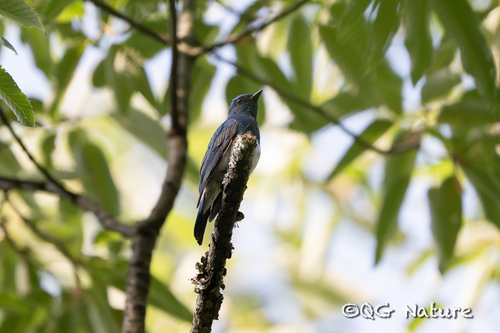 Zappey's Flycatcher
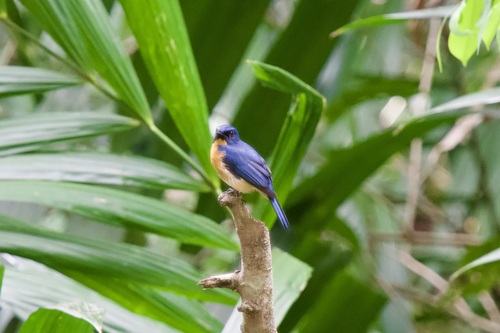 Mangrove Blue Flycatcher
In breve
Il segno di campo più affidabile per separare Zappey's Flycatcher da Mangrove Blue Flycatcher è il tono generale della livrea e il contrasto delle parti inferiori: Zappey's (soprattutto i maschi adulti) mostra un ventre e un'area ventrale bianchissimi con parti superiori verde-turchese, mentre Mangrove Blue Flycatcher è di un blu più ricco sopra e ha toni arancioni o rugginosi sul petto e sui fianchi. I Zappey's immaturi e femminili possono apparire più opachi, ma mancano comunque di qualsiasi arancione sotto. Entrambe le specie sono simili in dimensioni e struttura, ma le loro preferenze di habitat sono distinte: Zappey's è un migrante di foreste e boschi, mentre Mangrove Blue è legato ai mangrovieti. Se vedi un flycatcher blu con parti inferiori arancioni in un mangrovia, è quasi certamente Mangrove Blue; se ha il ventre bianco e un blu più verde, soprattutto nell'entroterra, è Zappey's.
Consigli di identificazione
- Il colore delle parti inferiori è il segno più consistente: Zappey's Flycatcher di tutte le età e sessi mostra parti inferiori bianche pure (a volte leggermente grigioastre sui fianchi), mai arancioni o rugginosi. Mangrove Blue Flycatcher ha sempre arancione o rugginoso sul petto e sui fianchi.
- Tono delle parti superiori: Il maschio adulto di Zappey's è blu verde-turchese sopra, con un volto e un petto superiori verde-nerastri. Mangrove Blue è blu sopra, privo della tonalità verdastra.
- Macchie alla base della coda: Zappey's ha due piccole macchie bianche alla base della coda (lati), visibili in buone viste; Mangrove Blue non è descritto come avente queste.
- Confusione femminile/immatura: Le femmine e gli immaturi di Zappey's sono marrone-grigiastro sopra con gola e parti inferiori bianche, privi di qualsiasi arancione sotto. Le femmine/immaturi di Mangrove Blue non sono dettagliati, ma la presenza di arancione/rugginoso sul petto/sui fianchi è diagnostica per Mangrove Blue a tutte le età.
- Maschi di Zappey's di un anno: Questi uccelli sono intermedi, con ali/deretano/coda blu ma testa/mantello marrone-grigiastro e gola bianca. Possono essere confusi con Mangrove Blue, ma mancano comunque di qualsiasi arancione sotto.
- Becco e zampe: Entrambe le specie hanno becchi e zampe di grigio scuro a nero; questo non è utile per la separazione.
- Contesto dell'habitat: Zappey's si trova in foreste e boschi interni, soprattutto durante la migrazione e la riproduzione in Cina. Mangrove Blue è limitato alle foreste di mangrovie in Asia sudorientale e in Asia meridionale. L'habitat è un forte indizio.
- Gamma geografica: Zappey's si riproduce nella Cina centrale e sverna nel sud-est asiatico, ma non nei mangrovieti. Mangrove Blue è residente nei mangrovieti del sud-est asiatico, Filippine, Sri Lanka e regioni vicine.
- Dimensioni e struttura: Entrambi sono flycatchers di dimensioni simili (circa 17 cm per Zappey's), senza differenze strutturali notevoli descritte.
- Volo e modello delle ali: Non sono descritti segni distintivi del modello delle ali superiori o del volo per nessuna delle due specie nelle fonti; concentrati sulla livrea e sull'habitat.
- Contesto stagionale: Zappey's è migratorio; Mangrove Blue è residente. Il tempo e la posizione possono aiutare se conosci lo stato locale dei flycatchers.
- Colore del volto e del petto superiore (maschi): Zappey's ha un volto e un petto superiore verde-nerastri; il volto di Mangrove Blue non è descritto come contrastante.
- Trappola: I maschi immaturi di Zappey's possono apparire strani, con ali blu e testa marrone, ma mancano sempre di arancione sotto. Non scambiare un Zappey's opaco per un Mangrove Blue a meno che tu non veda arancione sul petto/sui fianchi.
- Se hai dubbi: Se vedi un flycatcher blu con parti inferiori bianche (senza arancione) in una foresta o in un bosco, soprattutto in Cina o durante la migrazione, è Zappey's. Se vedi un flycatcher blu con arancione/rugginoso sotto in un mangrovia, è Mangrove Blue.
- Quando i segni falliscono: Se non riesci a vedere chiaramente le parti inferiori, prova a notare l'habitat e il tono delle parti superiori. Il blu verdastro di Zappey's è leggermente diverso dal blu di Mangrove Blue, ma questo è meno affidabile del colore delle parti inferiori e dell'habitat.
Taglia
Entrambe le specie sono simili in dimensioni, con Zappey's Flycatcher descritto come un grande flycatcher di circa 17 cm di lunghezza [wikipedia]. Non ci sono misurazioni precise per Mangrove Blue Flycatcher nelle note fornite, ma non ci sono indicazioni di una differenza di dimensioni significativa tra i due. La struttura (becco, coda, ala) non è descritta come notevolmente diversa nelle fonti.
Piumaggio
Per i maschi adulti, Zappey's Flycatcher è blu verde-turchese sopra con un volto e un petto superiori verde-nerastri, e ha parti inferiori bianche pure (a volte leggermente grigioastre sui fianchi). La coda corrisponde alla schiena e ha due piccole macchie bianche alla base. I maschi immaturi (di un anno) sono intermedi: ali blu, deretano e coda come i maschi adulti, ma con una testa e un mantello marrone-grigiastro e una gola bianca, somigliando alle femmine. Le femmine sono complessivamente marrone-grigiastro sopra, con una gola e parti inferiori bianche. In tutte le età e sessi, Zappey's manca di qualsiasi tono arancione o rugginoso sotto.
Mangrove Blue Flycatcher, al contrario, è blu sopra (non descritto come verdastro) e ha arancione o rugginoso sul petto e sui fianchi, con il resto delle parti inferiori più chiare. Non c'è menzione di macchie bianche alla base della coda. Le femmine e gli immaturi non sono descritti in dettaglio nelle note, ma la presenza di arancione/rugginoso sulle parti inferiori è una differenza chiave a tutte le età.
Nessun modello specifico delle ali superiori o segno di volo è descritto per nessuna delle due specie nelle note fornite.
Comportamento
Non sono descritte differenze comportamentali nelle note. Entrambi sono flycatchers tipici nelle loro abitudini, ma non viene menzionato alcun jizz o stile di volo diagnostico.
Habitat
L'habitat è un forte separatore: Zappey's Flycatcher si riproduce in foreste e boschi interni della Cina centrale e sverna nelle foreste del sud-est asiatico, evitando i mangrovieti. Mangrove Blue Flycatcher è limitato alle foreste di mangrovie subtropicali o tropicali in Asia sudorientale e in parti dell'Asia meridionale. Se l'uccello si trova in un mangrovia, è molto più probabile che sia Mangrove Blue; se è lontano dai mangrovieti, soprattutto in Cina, Zappey's è il candidato migliore.
Zappey's Flycatcher · Mangrove Blue Flycatcher · I miei uccelli difficili