

Yellow-throated Warbler vs Grace's Warbler
Setophaga dominica contro Setophaga graciae
Fai un quiz con Yellow-throated Warbler e Grace's Warbler
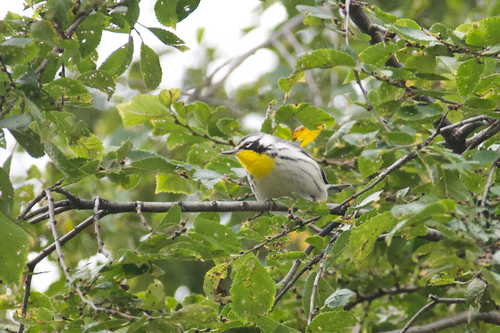 Yellow-throated Warbler
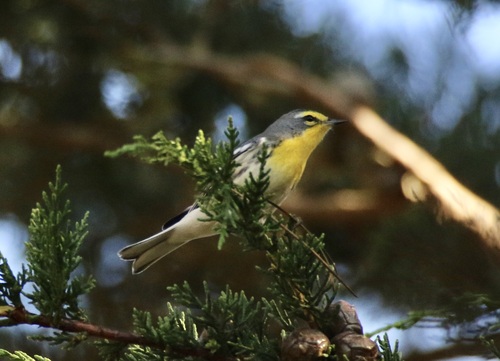 Grace's Warbler
In breve
Il segno di campo più affidabile per separare il Yellow-throated Warbler dal Grace's Warbler è il bold, contrastante motivo della testa in bianco e nero del Yellow-throated, specialmente il forte supercilium e la macchia guanciale, rispetto al volto più morbido e meno definito del Grace's. Entrambe le specie mostrano parti superiori grigie, due barre alari bianche e gole gialle, ma il Yellow-throated ha un ventre bianco puro e striature nere più estese sui fianchi, mentre il Grace's ha il giallo che si estende sul petto e un anello giallo parziale attorno all'occhio. Le differenze strutturali sono sottili, ma il contesto e il motivo del volto sono fondamentali. I Yellow-throated Warblers immaturi e femminili possono essere più opachi, ma mostrano comunque un motivo facciale più definito rispetto al Grace's.
Consigli di identificazione
- Il motivo della testa è il segno più decisivo: Il Yellow-throated Warbler di tutte le età e sessi mostra una testa bold in bianco e nero con un lungo supercilium e una macchia guanciale nera; il Grace's Warbler ha un volto più morbido con un sopracciglio giallo e un anello parziale attorno all'occhio, privo della forte guancia nera.
- Colore del supercilium: Il Yellow-throated ha tipicamente un supercilium bianco, a volte con giallo davanti (eccetto S. d. albilora, che è tutto bianco); il Grace's ha un supercilium giallo che sfuma in bianco dietro l'occhio.
- Gola e petto: Il giallo del Yellow-throated è nettamente limitato alla gola, con un confine netto verso il ventre bianco; il giallo del Grace's si estende sul petto superiore, fondendosi più gradualmente nel ventre bianco.
- Striature sui fianchi: Entrambi hanno striature nere sui fianchi, ma quelle del Yellow-throated sono solitamente più audaci e più estese; le striature del Grace's sono spezzate e meno prominenti.
- Colore delle parti inferiori: Il Yellow-throated ha parti inferiori bianche pure sotto la gola; il Grace's può mostrare una leggera sfumatura gialla sul petto.
- Barre alari: Entrambe le specie hanno due barre alari bianche; questo non è un separatore.
- Schiena e parti superiori: Entrambi sono grigi sopra, ma il Grace's può mostrare più striature nere spezzate sulla schiena.
- Anello attorno all'occhio: Il Grace's ha un anello giallo parziale sotto l'occhio; il Yellow-throated manca di questa caratteristica.
- Forma del becco: Non si nota una forte differenza nella struttura di campo, anche se S. d. stoddardi (Yellow-throated) può avere un becco leggermente più snello, non solitamente diagnostico in campo.
- Variazione di sesso/età: I Yellow-throated Warblers femminili e immaturi sono più opachi e meno distintivi, ma mostrano comunque un motivo facciale più forte rispetto a qualsiasi Grace's. Il Grace's non mostra un forte dimorfismo sessuale.
- Contesto dell'habitat: Nei boschi di pino del Sud-Ovest o del Messico, specialmente a elevazioni più alte, aspettati il Grace's; nelle foreste paludose o miste del Sud-Est, specialmente con muschio spagnolo, aspettati il Yellow-throated.
- Comportamento di foraggiamento: Se vedi un warbler che si libra su coni di pino o gruppi di aghi in alto in un pino, è più probabile che sia il Grace's; il Yellow-throated può foraggiare in una varietà più ampia di alberi ed è meno legato ai pini.
- Gamma geografica: Il Yellow-throated è principalmente nel sud-est degli Stati Uniti; il Grace's è nel sud-ovest degli Stati Uniti fino al Nicaragua. I record fuori gamma sono rari ma possibili.
- Voce: Se senti un fischio chiaro e discendente, sospetta il Yellow-throated, ma non fare affidamento solo su questo senza ulteriori dettagli.
- Contesto stagionale: Entrambe le specie sono migratorie, ma il Yellow-throated ha una gamma di nidificazione più meridionale e una gamma invernale più settentrionale rispetto alla maggior parte dei warbler del genere Setophaga; il Grace's inverna principalmente all'interno della sua gamma di nidificazione.
Taglia
Entrambe le specie sono piccoli warbler e molto simili in dimensione, ma il Yellow-throated Warbler è leggermente più grande (13–14 cm di lunghezza, 8.5–11.3 g) rispetto al Grace's Warbler (11–13 cm, 8.0 g). In campo, questa differenza è raramente ovvia a meno che non siano visti fianco a fianco. Entrambi hanno proporzioni simili e un aspetto generale da 'warbler', quindi la dimensione non è un separatore primario.
Piumaggio
Per tutte le età, il Yellow-throated Warbler mostra un motivo della testa in bianco e nero sorprendente con un lungo supercilium (sopracciglio), una macchia guanciale nera e una gola gialla brillante nettamente demarcata dalle parti inferiori bianche pure. I fianchi sono striati di nero. Gli immaturi e le femmine sono più opachi ma mantengono il forte motivo facciale, anche se meno definito. Alcune sottospecie hanno un fronte giallo per il supercilium, ma S. d. albilora ha un supercilium completamente bianco. Anche il Grace's Warbler ha parti superiori grigie e due barre alari bianche, ma il volto è meno contrastante: presenta un sopracciglio giallo che sfuma in bianco dietro l'occhio, un anello giallo parziale sotto l'occhio e manca della forte macchia guanciale nera. Il giallo della gola si estende sul petto superiore, a differenza del giallo nettamente limitato del Yellow-throated. Il Grace's ha striature nere spezzate sulla schiena e sui fianchi, ma il motivo della testa è sempre più morbido e meno definito. Non è descritto alcun motivo distintivo per le ali superiori dei giovani o immaturi per entrambe le specie, quindi ci si concentra sul motivo della testa e delle parti inferiori per tutte le età.
Comportamento
Entrambe le specie foraggiano attivamente sugli alberi, ma il Grace's Warbler è altamente specializzato per le foreste di pino e spesso foraggia in alto nella chioma, librandosi frequentemente per ispezionare coni di pino e gruppi di aghi. Il Yellow-throated Warbler foraggia anche sugli alberi, spesso in conifere o alberi paludosi, e può lanciarsi per gli insetti, ma è meno legato ai pini. Entrambi possono essere visti raccogliendo da rami, ma è più probabile che il Grace's venga visto librarsi sui coni di pino.
Habitat
L'habitat è un forte indizio contestuale. Il Grace's Warbler si trova quasi sempre nelle foreste di pino in tutto il suo areale, anche durante la migrazione, e preferisce boschi di pino aperti e parco, spesso a elevazioni più alte nel sud-ovest degli Stati Uniti e in Messico. Il Yellow-throated Warbler nidifica nel sud-est degli Stati Uniti, favorendo le foreste di conifere o paludose, ed è meno legato ai pini, a volte utilizzando altri alberi maturi con muschio spagnolo. Se ti trovi in un paesaggio dominato dai pini nel Sud-Ovest, è molto più probabile che sia il Grace's; nel Sud-Est, specialmente in boschi paludosi o misti, ci si aspetta il Yellow-throated.
Voce
Il canto del Yellow-throated Warbler è una serie di fischi chiari e discendenti, con richiami che sono alti 'sees' o colpi acuti. Non è fornita qui una descrizione dettagliata delle vocalizzazioni del Grace's Warbler, quindi la voce non è un separatore primario basato su queste note.
Yellow-throated Warbler · Grace's Warbler · I miei uccelli difficili