

Yellow-throated Sparrow vs Fanello nordico
Gymnoris xanthocollis contro Linaria flavirostris
Fai un quiz con Yellow-throated Sparrow e Fanello nordico
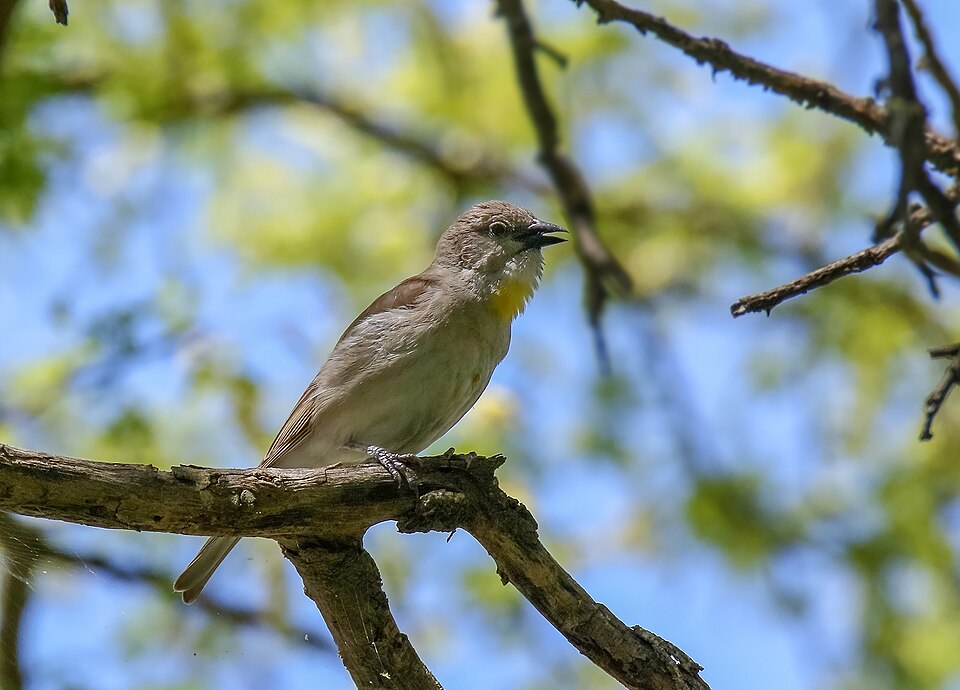 Yellow-throated Sparrow
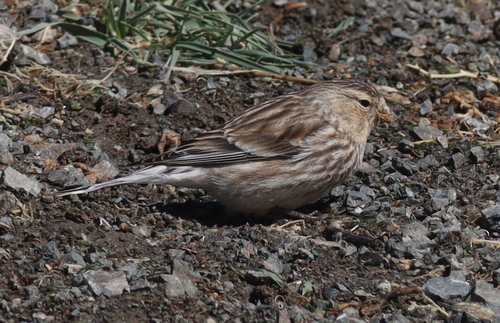 Fanello nordico
In breve
Il segno di campo più affidabile per separare il Yellow-throated Sparrow dal Fanello nordico è la presenza di una marcata banda bianca doppia sulle ali dello sparrow, spesso accompagnata da una macchia di spalla castana nei maschi adulti e da un piccolo punto giallo sulla gola, rispetto alla parte superiore marrone e pesantemente striata del Fanello nordico e, nei maschi adulti, a un sottocoda rosa. I Fanelli nordici giovanili e femminili mancano sia delle bande sulle ali che di qualsiasi giallo o castano, e le loro parti inferiori sono striate, a differenza del più semplice Yellow-throated Sparrow. Anche il colore e la struttura del becco aiutano: lo sparrow ha un becco più fine e simile a quello di un passero, mentre il becco del Fanello nordico è conico e giallo in inverno. Il contesto dell'habitat è utile: il Yellow-throated Sparrow predilige savane secche e boschi aperti nel sud dell'Asia, mentre il Fanello nordico si trova in praterie settentrionali e ad alta quota o in aree costiere. Le vocalizzazioni sono distinte, con il Fanello nordico che emette un richiamo nasale 'twaa-it'.
Consigli di identificazione
- Look for the double white wing bar: Il Yellow-throated Sparrow di tutte le età mostra una marcata banda bianca doppia sulle ali altrimenti semplici e marroni. Il Fanello nordico non mostra mai bande sulle ali: questo è il segno più affidabile.
- Check for streaking: Il Fanello nordico di tutte le età è pesantemente striato sopra e sotto, con striature marroni su parti inferiori color sabbia o bianche. Il Yellow-throated Sparrow è semplice, senza striature.
- Spot the chestnut shoulder patch: Il maschio adulto del Yellow-throated Sparrow ha una macchia di spalla castana, a volte nascosta. Le femmine e gli immaturi mancano di questo, ma la banda sulle ali rimane.
- Yellow throat spot: Il maschio del Yellow-throated Sparrow in piumaggio fresco ha un piccolo punto giallo sulla gola. Le femmine e gli immaturi hanno poco o nessun giallo, ma il Fanello nordico non mostra mai giallo sulla gola.
- Rump color: Il maschio adulto del Fanello nordico ha un sottocoda rosa, visibile in volo o mentre si pulisce. Le femmine e gli immaturi hanno un sottocoda marrone. Il Yellow-throated Sparrow ha sempre un sottocoda semplice.
- Bill shape and color: Il Yellow-throated Sparrow ha un becco più fine e appuntito, simile a quello di un passero. Il becco del Fanello nordico è conico e giallo in inverno, diventando grigio in estate. Il colore del becco è utile in inverno; la forma è una caratteristica sottile ma di supporto.
- Wing pattern in flight: In volo, le bande bianche del Yellow-throated Sparrow possono lampeggiare in modo evidente. Le ali del Fanello nordico sono marroni semplici senza bande o pannelli.
- Underpart pattern: Il Fanello nordico mostra sempre parti inferiori striate; il Yellow-throated Sparrow è semplice sotto.
- Habitat context: Se visto in savana secca o bosco aperto nel sud dell'Asia, è probabile che si tratti di un Yellow-throated Sparrow. Il Fanello nordico è atteso in praterie settentrionali o ad alta quota, o sulle coste in inverno.
- Flocking behavior: Il Fanello nordico forma spesso grandi e fitte bande al di fuori della stagione riproduttiva, specialmente sulle coste. Il Yellow-throated Sparrow è più spesso solitario o in piccoli gruppi.
- Voice: Il richiamo nasale 'twaa-it' del Fanello nordico è distintivo. Se udito, conferma il Fanello nordico. La mancanza di questo richiamo non conferma lo sparrow.
- Sex and age pitfalls: Le femmine e gli immaturi del Yellow-throated Sparrow sono opachi e mancano di castano e giallo, ma mostrano comunque la banda sulle ali. Le femmine e gli immaturi del Fanello nordico mancano del sottocoda rosa e sono striati.
- Seasonal changes: Il becco del Fanello nordico è giallo in inverno, grigio in estate. Il punto sulla gola del Yellow-throated Sparrow è più luminoso in piumaggio fresco (stagione riproduttiva).
- Potential confusion: In scarsa luce o a distanza, una femmina di sparrow opaca potrebbe essere scambiata per un Fanello nordico se la banda sulle ali viene persa. Controlla sempre le striature e il modello delle ali.
- When in doubt: Concentrati sulla presenza o assenza di bande sulle ali e striature delle parti inferiori: queste sono consistenti in tutte le età e i sessi per entrambe le specie.
Taglia
Entrambe le specie sono piccoli passeriformi, ma il Fanello nordico è leggermente più grande, misurando circa 13–13,5 cm di lunghezza ([wikipedia]), mentre il Yellow-throated Sparrow è simile in dimensioni ad altri passeri, ma non viene fornita alcuna misura precisa nelle fonti. Sul campo, la differenza di dimensioni è sottile e non è un separatore affidabile a meno che non siano visti fianco a fianco. Entrambi sono compatti, ma il Fanello nordico può apparire un po' più lungo e snello a causa delle sue proporzioni simili a quelle dei fringillidi.
Piumaggio
-
Juvenile/immature birds: Gli immaturi e le femmine del Fanello nordico hanno un sottocoda marrone (non rosa), parti superiori marroni striate e parti inferiori striate color sabbia a bianche. Mancano di qualsiasi banda sulle ali o punto giallo sulla gola. Gli immaturi e le femmine del Yellow-throated Sparrow sono più opachi dei maschi, mancano della macchia di spalla castana e hanno poco o nessun giallo sulla gola, ma mostrano comunque la caratteristica banda bianca doppia sulle ali altrimenti semplici e marroni.
-
Adult males: I maschi del Yellow-throated Sparrow hanno una macchia di spalla castana (a volte difficile da vedere), un punto giallo pallido sulla gola (piumaggio fresco) e una marcata banda bianca doppia. I maschi adulti del Fanello nordico hanno un sottocoda rosa (non sempre visibile quando sono posati), parti superiori marroni striate e parti inferiori striate. Nessuna banda sulle ali, gola gialla o macchia castana.
-
General: Il Fanello nordico è sempre striato sopra e sotto, non mostra mai bande sulle ali o giallo sulla gola. Il Yellow-throated Sparrow è più semplice, senza striature, e la banda bianca doppia è unica tra i due.
Comportamento
I Yellow-throated Sparrows si nutrono principalmente a terra di cereali e bacche, spesso in savane secche o boschi aperti. Di solito vengono visti singolarmente o in piccoli gruppi. Il Fanello nordico, al contrario, forma spesso grandi bande al di fuori della stagione riproduttiva, specialmente sulle coste e nelle paludi salmastre, e si nutre principalmente di semi. Il comportamento di aggregazione del Fanello nordico e l'associazione con habitat aperti, erbosi o costieri possono essere un indizio, specialmente in inverno.
Habitat
Il Yellow-throated Sparrow si trova in savane secche e boschi aperti nel sud dell'Asia. Il Fanello nordico nidifica nel nord dell'Europa e attraverso le montagne asiatiche, preferendo praterie alpine, bassa vegetazione arbustiva e, a ovest, praterie costiere di machair. In inverno, il Fanello nordico si sposta verso le coste e le paludi salmastre. L'overlap è minimo; il Fanello nordico non è atteso nell'area tipica o nell'habitat del Yellow-throated Sparrow, e viceversa, ma potrebbe verificarsi confusione durante la migrazione o ai margini dei loro areali.
Voce
Il richiamo del Fanello nordico è un distintivo 'twaa-it' nasale, spesso emesso in volo o da posatoi, e il suo canto è una serie di trilli e twitter veloci. Nessuna vocalizzazione è descritta per il Yellow-throated Sparrow nelle fonti, quindi la voce è principalmente utile per confermare il Fanello nordico, non per escludere lo sparrow.
Yellow-throated Sparrow · Fanello nordico · I miei uccelli difficili