

Yellow-mantled Widowbird vs Buff-shouldered Widowbird
Euplectes macroura contro Euplectes psammacromius
Fai un quiz con Yellow-mantled Widowbird e Buff-shouldered Widowbird
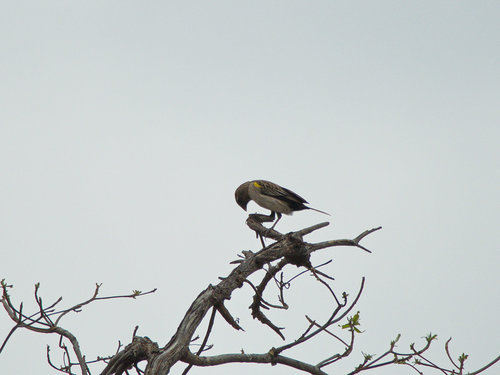 Yellow-mantled Widowbird
 Buff-shouldered Widowbird
In breve
Il segno di campo più affidabile tra il Yellow-mantled Widowbird e il Buff-shouldered Widowbird è il colore e l'estensione della macchia sulla spalla: il Yellow-mantled mostra un mantello o una spalla di un brillante giallo dorato (a volte estendendosi sulla schiena), mentre il Buff-shouldered ha una macchia gialla sulla spalla più ristretta. I maschi in riproduzione di entrambe le specie sono per lo più neri con lunghe code, ma la forma e l'intensità della macchia gialla, specialmente in volo o di lato, sono fondamentali. Nelle piumature non riproduttive o femminili/immature, entrambi sono striati di marrone e nero, rendendo molto difficile la separazione senza una visione ravvicinata dell'area della spalla. La struttura e la dimensione sono simili, quindi concentrati sui dettagli del piumaggio, specialmente sul giallo nelle parti superiori.
Consigli di identificazione
- Colore e estensione della macchia sulla spalla (maschi in riproduzione): I maschi del Yellow-mantled Widowbird hanno un mantello o una schiena ampia e di un brillante giallo dorato, mentre i maschi del Buff-shouldered hanno una macchia gialla sulla spalla più limitata. Controlla fino a dove si estende il giallo sulla schiena: se è ampio e ovvio, favorisci il Yellow-mantled.
- Macchia sulla spalla (non in riproduzione, femmine, immature): Entrambe le specie mantengono un po' di giallo sulla spalla in tutte le piumature, ma è più ristretta e meno ovvia nel Buff-shouldered. Negli uccelli più opachi, cerca attentamente eventuali tracce di giallo: se è esteso, inclina verso il Yellow-mantled.
- Colore della schiena (maschi in riproduzione): Il Yellow-mantled può mostrare giallo che si estende sulla schiena (mantello), mentre il Buff-shouldered non lo fa. Se vedi giallo sulla schiena, è diagnostico per il Yellow-mantled.
- Lunghezza e forma della coda: I maschi in riproduzione di entrambe le specie hanno lunghe code, quindi questo non è utile per la separazione.
- Dimensione e struttura del corpo: Entrambi sono simili in dimensione e forma; non usare la dimensione come segno di campo.
- Confusione in non riproduzione e immature: Nella piumatura non riproduttiva o per femmine/immature, entrambi sono striati di marrone e nero con un po' di giallo sulla spalla. La separazione è molto difficile e potrebbe non essere possibile senza una visione ravvicinata dell'area della spalla.
- Viste in volo: In volo, cerca di catturare l'estensione del giallo nelle parti superiori: un giallo ampio favorisce il Yellow-mantled, mentre una piccola macchia favorisce il Buff-shouldered.
- Contesto geografico: Se conosci la tua posizione, il Buff-shouldered è più probabile nelle paludi montane orientali, il Yellow-mantled in Africa occidentale, ma l'overlap di gamma e la vagabondaggio sono possibili, quindi non fare affidamento solo sulla geografia.
- Sesso e stagione: Solo i maschi in riproduzione mostrano il pieno contrasto nero e giallo; le femmine e gli uccelli non in riproduzione sono molto più opachi e più difficili da separare.
- Nessuna differenza nota nel pattern delle ali giovanili/immature: Non ci sono differenze descritte nel pattern delle ali superiori per gli uccelli giovani, quindi non usare questa caratteristica.
- Nessuna differenza vocale descritta: I richiami e i canti non sono descritti come diversi nelle fonti disponibili.
- Quando hai dubbi: Se non riesci a vedere l'estensione del giallo nelle parti superiori, l'identificazione potrebbe non essere possibile sul campo, specialmente per gli uccelli non in riproduzione o immature.
- Fotografa per una revisione successiva: Se possibile, fotografa le parti superiori e l'area della spalla dell'uccello per uno studio successivo, poiché differenze sottili potrebbero essere più evidenti nelle immagini.
- Non usare la lunghezza della coda o la dimensione del corpo: Questi non sono affidabili per la separazione tra queste due specie.
- Consulta le liste di controllo locali: Se ti trovi in una regione in cui è prevista solo una specie, questo potrebbe aiutare, ma cerca sempre di confermare con i dettagli del piumaggio.
Taglia
Entrambe le specie sono simili in dimensione e struttura, senza differenze affidabili sul campo. L'unica misura disponibile (massa corporea) per il Yellow-mantled Widowbird è di 22g [wikidata], e non c'è massa pubblicata per il Buff-shouldered. Entrambi sono vedove di dimensioni medie con proporzioni simili, quindi la dimensione non è un utile segno di campo.
Piumaggio
Durante la stagione di riproduzione, i maschi adulti di entrambe le specie sono per lo più neri con lunghe code e macchie gialle sulla spalla. I maschi del Yellow-mantled Widowbird hanno un mantello o una schiena di un brillante giallo dorato (a volte estendendosi ampiamente), mentre i maschi del Buff-shouldered mostrano una macchia gialla sulla spalla più discreta. Il giallo sul Buff-shouldered è più ristretto e non si estende sulla schiena. Nella stagione non riproduttiva e nelle femmine/immature, entrambe le specie sono striate di marrone e nero e entrambe mantengono un po' di giallo sulla spalla, ma è meno ovvio e più difficile da usare per la separazione. Non ci sono differenze descritte nei pattern delle ali superiori per i giovani o immature, quindi concentrati sull'estensione e sulla luminosità del giallo nelle parti superiori in tutte le piumature.
Comportamento
Entrambe le specie mostrano un comportamento tipico delle vedove, con i maschi che eseguono voli di display sopra le praterie durante la stagione di riproduzione. Non sono state notate differenze comportamentali nelle fonti, quindi il comportamento non è utile per la separazione.
Habitat
Entrambe le specie occupano habitat simili di prateria aperta e paludosa in Africa. Il Buff-shouldered (Montane) Widowbird è più associato a aree montane e paludose negli Afrotropici orientali, mentre il Yellow-mantled si trova in Africa occidentale, ma l'habitat da solo non è sufficiente per la separazione sul campo dove le loro gamme si sovrappongono o in habitat ambigui.
Yellow-mantled Widowbird · Buff-shouldered Widowbird · I miei uccelli difficili