

Yellow-bellied Sapsucker vs Red-naped Sapsucker
Sphyrapicus varius contro Sphyrapicus nuchalis
Fai un quiz con Yellow-bellied Sapsucker e Red-naped Sapsucker
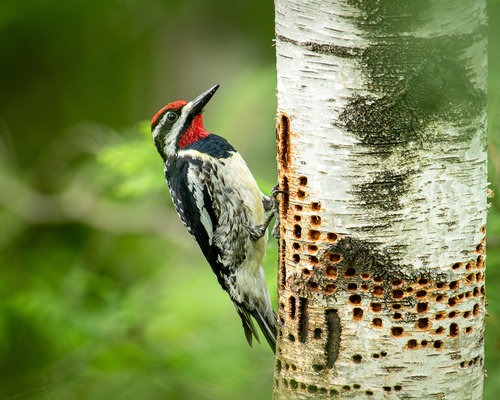 Yellow-bellied Sapsucker
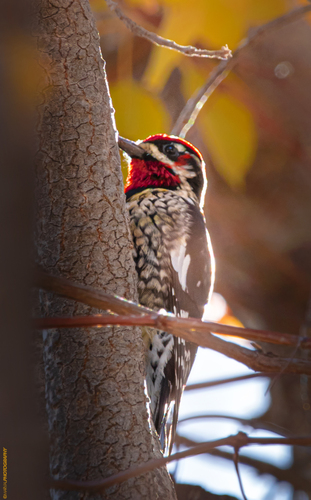 Red-naped Sapsucker
In breve
Il segno di campo più affidabile tra Yellow-bellied e Red-naped Sapsucker è la presenza di una distintiva macchia rossa sulla nuca degli adulti di Red-naped Sapsucker, assente in Yellow-bellied. Entrambe le specie sono picchi di dimensioni medie con dimensioni e struttura simili, ma sottili differenze nel pattern della testa e della gola, specialmente nelle femmine e nei giovani, sono fondamentali per la separazione. Sul campo, concentrati sul pattern della testa e della nuca, sul colore della gola e sull'estensione del giallo sulle parti inferiori. Gli uccelli giovani possono essere particolarmente difficili, ma la nuca e la gola rimangono indizi utili. L'areale è anche un forte indizio contestuale: Yellow-bellied si trova nel nord-est del Nord America, Red-naped nell'interno ovest.
Consigli di identificazione
- Macchia rossa sulla nuca (solo adulti): Red-naped Sapsucker mostra sempre una distintiva macchia rossa sulla nuca, visibile di lato o di dietro. Yellow-bellied Sapsucker non mostra mai rosso sulla nuca a qualsiasi età o sesso.
- Colore della gola (specifico per sesso): Gli adulti maschi di Yellow-bellied e Red-naped hanno entrambi la gola rossa. L'adulta femmina di Yellow-bellied ha una gola bianca, mentre la femmina di Red-naped ha una gola a due parti: bianca sopra, rossa sotto. Questo è un segno chiave per separare le femmine.
- Pattern della testa: Yellow-bellied ha una corona rossa bordata di nero, con un supercilio bianco che si allarga sulla nuca ma è interrotto da una linea nera. Red-naped ha una testa nera con strisce bianche e una macchia rossa sulla nuca; le linee bianche sono più continue e audaci.
- Parti inferiori: Entrambi hanno parti inferiori giallastre, ma Red-naped tende ad avere un petto e una pancia superiore più distintamente gialli con una pancia inferiore e un sopracciglio più bianchi. Yellow-bellied mostra giallo limitato alle parti inferiori, con marcature a forma di freccia nera sui lati del petto e dei fianchi.
- Piumaggio giovanile: Il giovane Yellow-bellied è di un marrone oliva scuro con una testa striata di buff e una corona striata, una gola per lo più bianca e un petto squamoso. Il giovane Red-naped non è descritto qui, ma cerca qualsiasi accenno a una macchia rossa sulla nuca come indizio per Red-naped anche nei giovani uccelli.
- Pattern della coda: I giovani di Yellow-bellied hanno una coda più pesantemente barrata rispetto agli adulti; questo può aiutare negli uccelli immaturi difficili.
- Pannello alare: Entrambe le specie hanno una grande macchia bianca sulle ali, quindi questo non è diagnostico tra le due.
- Becco e struttura: Entrambi hanno un becco corto, dritto e a punta di scalpello e proporzioni simili; la struttura non è utile per la separazione.
- Areale: Se ti trovi negli Stati Uniti orientali o in Canada, il tuo sapsucker è quasi certamente Yellow-bellied. Nell'interno ovest (Rockies, Great Basin, Stati Uniti/Canada occidentali), aspettati Red-naped. Si verificano vagabondi, quindi controlla sempre il piumaggio.
- Differenze di sesso: Le femmine di Red-naped mostrano una gola unica a due parti (bianca sopra, rossa sotto), mentre le femmine di Yellow-bellied hanno una gola bianca; i maschi di entrambi sono simili con gole rosse.
- Colore della corona: Entrambi hanno una corona rossa, ma in Yellow-bellied, il rosso è più esteso e bordato di nero, mentre in Red-naped, la corona è rossa ma la testa è più nera nel complesso.
- Supercilio: Il supercilio bianco di Yellow-bellied si allarga sulla nuca ed è interrotto da una linea nera; le strisce bianche di Red-naped sono più continue.
- Marcature sui fianchi: Yellow-bellied mostra marcature nere a forma di freccia sui lati del petto e dei fianchi; i fianchi di Red-naped sono meno distintamente marcati.
- Contesto: Entrambe le specie possono ibridarsi dove i loro areali si incontrano (Montagne Rocciose); gli ibridi possono mostrare caratteristiche intermedie e dovrebbero essere lasciati non identificati se mancano i segni classici.
- Habitat: Entrambi preferiscono alberi decidui, ma Yellow-bellied è più legato a betulle e pioppi nell'est, mentre Red-naped si trova spesso in boschetti di pioppi in occidente.
Taglia
Entrambe le specie sono quasi identiche in dimensioni, con Yellow-bellied Sapsucker che pesa in media 50.3g e Red-naped Sapsucker 49.0g [wikidata]. La lunghezza e l'apertura alare si sovrappongono completamente (19–21 cm di lunghezza), quindi la dimensione da sola non è utile per la separazione sul campo.
Piumaggio
I giovani Yellow-bellied Sapsuckers sono complessivamente di un marrone oliva scuro con una testa striata di buff e una corona striata, una gola per lo più bianca (a volte con rosso nei maschi) e un petto squamoso con una pancia giallastra pallida. La loro coda è più pesantemente barrata rispetto agli adulti. I giovani Red-naped Sapsuckers non sono descritti qui in dettaglio, ma gli adulti di entrambe le specie condividono un dorso e ali barrati in bianco e nero con una grande macchia bianca sulle ali. Per gli adulti, la differenza chiave è la macchia rossa sulla nuca in Red-naped (assente in Yellow-bellied). I maschi adulti di entrambi hanno una gola rossa, ma nelle femmine, Yellow-bellied mostra una gola bianca, mentre le femmine di Red-naped hanno una gola bicolore: rossa sotto, bianca sopra. Entrambi hanno parti inferiori giallastre, ma Red-naped tende ad avere un petto e una pancia superiore più distintamente gialli, con una pancia inferiore e un sopracciglio più bianchi. Il pattern della testa è anche critico: Yellow-bellied ha una corona rossa (più estesa nei maschi), bordata di nero, e un supercilio bianco che si allarga sulla nuca ma è interrotto da una linea nera; Red-naped ha una testa nera con strisce bianche e una chiara macchia rossa sulla nuca.
Comportamento
Entrambe le specie si comportano in modo simile, perforando pozzi di linfa negli alberi e cercando insetti. Non sono state notate forti differenze comportamentali nelle fonti per la separazione sul campo.
Habitat
Yellow-bellied Sapsucker nidifica in Canada e nel nord-est degli Stati Uniti, preferendo le foreste decidue, specialmente con pioppi e betulle. Red-naped Sapsucker si trova nell'interno ovest del Nord America, spesso in boschetti di pioppi e boschi misti. Pertanto, la geografia è un forte indizio: gli uccelli orientali sono quasi sempre Yellow-bellied, mentre gli uccelli nelle Montagne Rocciose e nel Great Basin sono Red-naped.
Yellow-bellied Sapsucker · Red-naped Sapsucker · I miei uccelli difficili