

Luì verde vs Luì grosso
Phylloscopus sibilatrix contro Phylloscopus trochilus
Fai un quiz con Luì verde e Luì grosso
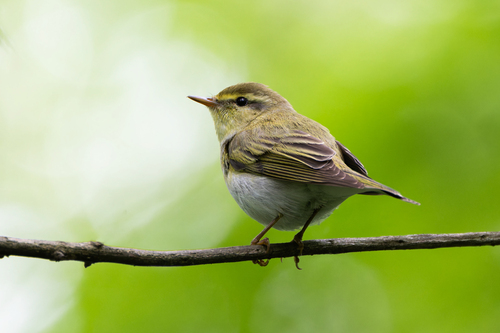 Luì verde
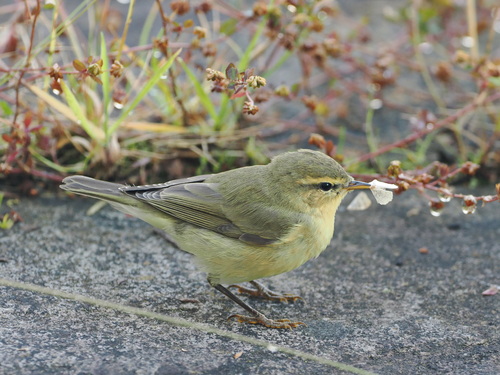 Luì grosso
In breve
Il modo più affidabile per separare il Luì verde dal Luì grosso è attraverso il loro piumaggio più luminoso e a contrasto più netto: il Luì verde mostra una gola e un petto giallo vivace con un ventre bianco netto, mentre il Luì grosso è generalmente più pallido sotto e meno marcato, spesso con una sfumatura giallastra o bianco sporco. Il Luì verde ha anche una proiezione primaria più lunga e una coda più larga e corta, conferendogli una forma distintamente diversa, specialmente quando è posato. I giovani Luì grossi sono più gialli sotto rispetto agli adulti, ma non mostrano mai il netto contrasto giallo-bianco del Luì verde. In volo o a riposo, la struttura e il motivo del volto del Luì verde sono fondamentali. La voce è anche distintiva, ma meno utile se gli uccelli sono silenziosi.
Consigli di identificazione
- Gola e petto gialli (Luì verde): Cerca una gola e un petto giallo vivace, in netto contrasto con un ventre bianco. Il Luì grosso non mostra mai questa netta divisione; il suo giallo è più diffuso e limitato.
- Supercilium (Luì verde): Il Luì verde ha un supercilium (sopracciglio) giallo più luminoso e prominente, specialmente nel piumaggio fresco. Quello del Luì grosso è più pallido e meno definito.
- Parte inferiore (Luì grosso): Il Luì grosso è generalmente bianco sporco o giallastro sotto, privo del netto contrasto giallo-bianco del Luì verde. I giovani sono più gialli ma mancano ancora del motivo del Luì verde.
- Parte superiore (Luì verde): Il Luì verde è verde sopra, spesso più luminoso e pulito rispetto al verde-bruno del Luì grosso.
- Proiezione primaria (Luì verde): Quando è posato, il Luì verde mostra una proiezione primaria visibilmente più lunga (le punte delle piume delle ali più lunghe si estendono ben oltre le terziali). Questo conferisce all'ala un aspetto più lungo e snello rispetto al Luì grosso.
- Forma della coda (Luì verde): La coda del Luì verde è più corta e più larga, mentre quella del Luì grosso è più lunga e più affusolata. Questo può essere sottile ma è visibile quando gli uccelli sono affiancati.
- Bordi delle terziali (Luì verde): I bordi chiari delle terziali sono più evidenti nel Luì verde, anche se questo è un segno secondario.
- Colore delle zampe: Entrambe le specie hanno zampe chiare, quindi questo non è utile per la separazione (a differenza del Cinciallegra).
- Jizz: Il Luì verde appare spesso più robusto e corpulento, con una postura più eretta. Il Luì grosso è più snello e delicato.
- Canto: Il trill accelerato del Luì verde e le note discendenti sono uniche; il canto del Luì grosso è un fischio dolce, discendente e ripetitivo. Se senti un trill metallico, è il Luì verde.
- Richiamo: Il Luì verde emette una nota di richiamo singola e morbida; il richiamo del Luì grosso è un 'hoo-eet' disillabico.
- Habitat: In boschi maturi con chioma chiusa, specialmente in aree montuose, aspettati il Luì verde. In boschi aperti, cespugliosi o giovani, il Luì grosso è più probabile.
- Stagione e età: I giovani Luì grossi sono più gialli sotto ma non mostrano mai la gola e il petto gialli ben definiti del Luì verde. Usa la struttura e il motivo del volto per i giovani uccelli.
- Viste in volo: In volo, le ali più lunghe e la coda più larga del Luì verde possono essere evidenti, ma sono sottili. Fai affidamento sul piumaggio e sulla struttura se possibile.
- Trappole: Fai attenzione ai Luì verdi usurati o sbiaditi, che possono apparire meno luminosi, e ai giovani Luì grossi, che possono sembrare sorprendentemente gialli. Controlla sempre la nitidezza della divisione giallo-bianca e la struttura complessiva.
Taglia
Entrambe le specie sono simili in lunghezza (11–12,5 cm), ma il Luì verde è leggermente più pesante in media (10,0 g) [wikidata]. Sul campo, la dimensione è raramente un separatore affidabile, ma il Luì verde può apparire un po' più robusto e corpulento, specialmente quando confrontato fianco a fianco con il Luì grosso.
Piumaggio
- Giovani: I giovani Luì grossi sono visibilmente più gialli sotto rispetto agli adulti, ma mancano della gola e del petto gialli ben definiti del Luì verde. I giovani Luì verdi mantengono il forte contrasto giallo-bianco degli adulti.
- Adulti: Il Luì verde è verde sopra con un supercilium giallo vivace, gola e petto superiori, nettamente demarcati da un ventre bianco. Il Luì grosso è verde-bruno sopra e bianco sporco o giallastro sotto, ma il giallo è più diffuso e meno definito. Entrambi mancano di barre alari, ma il Luì verde ha bordi terziali più chiari. Le parti inferiori del Luì grosso sono più uniformi e meno appariscenti.
- Motivo delle ali: Non sono descritte forti differenze nel motivo delle ali per nessuna delle due specie, ma la proiezione primaria più lunga del Luì verde è un indizio strutturale sottile, visibile quando l'ala è chiusa.
Comportamento
Entrambe le specie sono attive, spesso foraggiando nella chioma o nei livelli medi del bosco. Il Luì verde può apparire più irrequieto ed è spesso visto saltare da posatoi esposti, a volte sbattendo le ali e la coda. Il Luì grosso è più probabile da vedere nutrirsi più in basso nei cespugli o tra alberi più piccoli, con uno stile di movimento più delicato e meno brusco. In volo, la coda più larga e le ali più lunghe del Luì verde possono conferire un jizz leggermente diverso, ma questo è sottile.
Habitat
Entrambi nidificano nell'Europa settentrionale e temperata e sono fortemente migratori, svernando in Africa. Il Luì verde predilige boschi maturi, spesso decidui, con una chioma più chiusa, specialmente in aree collinari o montuose. Il Luì grosso è più cattolico, trovato in boschi aperti, giovani boschetti di betulla, ontano e salice, e spesso in aree cespugliose o in rigenerazione. Si verifica sovrapposizione, ma il Luì grosso è più probabile in habitat aperti e cespugliosi.
Voce
Il Luì verde ha due tipi di canto: un trill metallico fluido ad alta tonalità che accelera, e una serie di 3–5 note discendenti (piüü-piüü-piüü). Il suo richiamo di contatto è una nota di richiamo morbida e singola. Il canto del Luì grosso è un fischio semplice, ripetitivo e discendente, molto diverso nel ritmo e nel tono. Il suo richiamo di contatto è un 'hoo-eet' disillabico. Se ascoltato bene, questi sono diagnostici, ma fai attenzione a frasi brevi o parziali.