

Luì verde vs Luì bianco orientale
Phylloscopus sibilatrix contro Phylloscopus orientalis
Fai un quiz con Luì verde e Luì bianco orientale
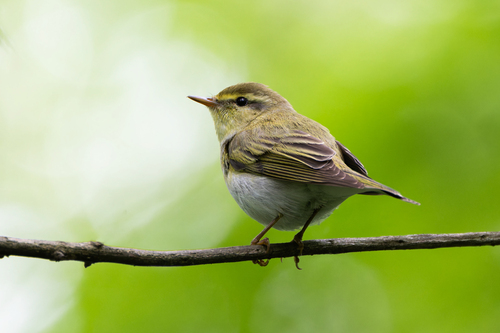 Luì verde
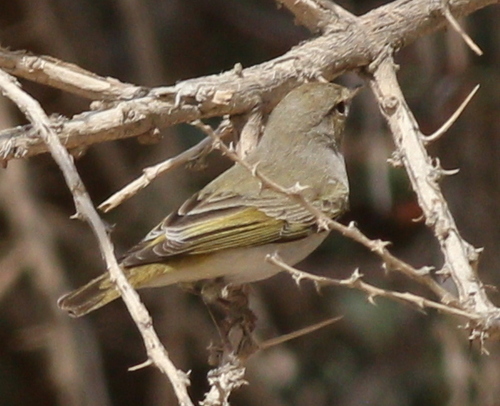 Luì bianco orientale
In breve
Luì verde e Luì bianco orientale possono sembrare simili a un primo sguardo, ma Luì verde si distingue per la sua gola e petto giallo limone brillante, un supercilium giallo audace e una proiezione primaria più lunga. Luì bianco orientale è più semplice, con un dorso grigio-verde e solo una leggera sfumatura verdognola, privo di qualsiasi forte giallo nelle parti inferiori o sul viso. Sul campo, Luì verde appare più luminoso e contrastante, mentre Luì bianco orientale è più sobrio e uniforme. Anche le vocalizzazioni sono molto diverse: il canto del Luì verde è un trill metallico fluido, mentre il Luì bianco orientale emette un richiamo duro 'chup'. Fai attenzione al colore del viso e delle parti inferiori, così come alla luminosità e alla struttura complessive, per separare questi due luì.
Consigli di identificazione
- Giallo sulla Gola e Supercilium (Adulti): Luì verde mostra una gola giallo limone brillante, un petto superiore e un supercilium giallo audace. Luì bianco orientale non ha giallo nelle parti inferiori o sul viso; il suo supercilium è debole e non giallo. Questo è il segno più affidabile in tutte le piumature adulte.
- Colore delle Parti Inferiori: Luì verde è bianco sotto con un chiaro lavaggio giallo sul petto superiore; Luì bianco orientale è semplicemente biancastro sotto senza giallo.
- Tono delle Parti Superiori: Luì verde è verde sopra, mentre Luì bianco orientale è grigio-verde, a volte con una leggera sfumatura verdognola ma mai così brillante o satura come Luì verde.
- Proiezione Primaria: Luì verde ha una proiezione primaria visibilmente più lunga (la lunghezza delle primarie oltre le terziali) e una coda più corta e larga. Questo gli conferisce un aspetto più allungato e con ali appuntite quando è posato o in volo. Luì bianco orientale ha una proiezione più corta e un aspetto più compatto.
- Schema del Viso: Il viso del Luì verde è più luminoso e contrastante grazie al supercilium giallo e alla gola. Il viso del Luì bianco orientale è semplice, con un becco piccolo e appuntito e zampe marroni, ma privo di forti segni facciali.
- Bordi delle Terziali: Luì verde mostra bordi pallidi alle terziali, che possono essere un segno sottile ma utile in buona luce. Le terziali del Luì bianco orientale non sono descritte come aventi bordi contrastanti.
- Struttura della Coda: La coda del Luì verde è più corta e più larga rispetto a quella del Luì bianco orientale, che può apparire leggermente più lunga e più stretta.
- Canto: Il canto del Luì verde è un trill metallico fluido che accelera, alternando spesso con note discendenti. Il canto del Luì bianco orientale è un trill monotono veloce, meno musicale e più uniforme. Il canto da solo può essere confuso, ma combinato con altri segni è utile.
- Richiamo: Il richiamo è un separatore chiave: Luì verde emette un morbido 'piü', mentre Luì bianco orientale emette un duro 'chup' (come un crociere o un passero domestico). Se senti il richiamo, l'identificazione è semplice.
- Habitat e Distribuzione: In Europa settentrionale e temperata, ci si aspetta Luì verde; Luì bianco orientale è un raro vagabondo. Nel sud-est europeo e in Asia Minore, Luì bianco orientale è il riproduttore. Considera sempre la posizione e la stagione.
- Jizz e Movimento: Luì verde può apparire più irrequieto e muove frequentemente le ali e la coda. Luì bianco orientale è anche attivo ma si muove in modo più metodico.
- Età e Stagione: Non ci sono note dettagliate sulle differenze di piumaggio giovanile o di primo inverno, quindi fai riferimento ai segni degli adulti durante tutto l'anno. In caso di dubbio, concentrati sulla presenza o assenza di giallo sul viso e sulla gola.
- Confusione con Altri Phylloscopus: Entrambi possono essere confusi con Luì grosso o Cincia, ma quelle specie mostrano diverse combinazioni di supercilium, colore delle zampe e tono delle parti inferiori; controlla sempre il giallo e la forza del supercilium.
- Impressione Strutturale: Le ali più lunghe e la coda più larga del Luì verde possono conferirgli un aspetto più snello e appuntito, specialmente quando visto fianco a fianco con Luì bianco orientale.
- Insidie: In scarsa luce, il giallo del Luì verde può apparire più opaco, e Luì bianco orientale può sembrare più verde di quanto non sia. Cerca sempre di vedere la gola e il viso in buona luce, e ascolta i richiami se possibile.
Taglia
Luì verde è leggermente più grande e pesante (massa corporea di circa 10g [wikidata]), con una proiezione primaria più lunga e una coda leggermente più larga. Luì bianco orientale è un piccolo luì, ma le note non forniscono un confronto diretto della massa; sul campo, la differenza di dimensioni è sottile e non affidabile per la separazione. Entrambi sono di dimensioni tipiche per i luì, ma Luì verde può apparire un po' più robusto a causa della sua struttura.
Piumaggio
Le piumature giovanili e immature non sono descritte in dettaglio per nessuna delle due specie nelle note, ma gli adulti mostrano differenze chiare. Luì verde è verde sopra e bianco sotto, con una gola, un petto superiore e un supercilium giallo limone straordinari, e bordi terziali pallidi. Il giallo è più intenso negli adulti freschi di primavera, ma rimane un segno forte sul campo. Luì bianco orientale è più semplice, con un dorso grigio-verde, un rump e ali di tono verde, e parti inferiori bianche; non ha alcun lavaggio giallo sulla gola o sul supercilium. Il suo viso è semplice, e il supercilium è molto meno evidente. Entrambe le specie hanno parti inferiori pallide, ma solo Luì verde mostra il contrasto giallo brillante. In volo, la proiezione primaria più lunga del Luì verde può essere visibile, mentre Luì bianco orientale appare più compatto e meno contrastante nel complesso.
Comportamento
Entrambe le specie cercano attivamente cibo in boschi e foreste, raccogliendo insetti dal fogliame. Luì verde può apparire più irrequieto ed è spesso visto muovere le ali e la coda, a volte lanciandosi per catturare insetti. Luì bianco orientale è anche attivo ma tende a muoversi in modo più metodico attraverso la chioma. Entrambi nidificano a terra o vicino al suolo. Le differenze comportamentali sono sottili e di solito non sono diagnostiche sul campo.
Habitat
Luì verde nidifica in Europa settentrionale e temperata, preferendo boschi decidui maturi o misti con una chioma ben sviluppata. Luì bianco orientale nidifica nel sud-est europeo e in Asia Minore, anche in foreste e boschi, ma è un raro vagabondo in Europa settentrionale. Entrambi svernano nell'Africa sub-sahariana. Se trovato in Europa centrale o settentrionale, Luì verde è la specie attesa; Luì bianco orientale sarebbe eccezionale. È possibile una sovrapposizione degli habitat durante la migrazione, ma le aree di nidificazione sono per lo più separate.
Voce
Luì verde ha due tipi di canto distintivi: un trill metallico fluido ad alta frequenza che accelera, e una serie di 3–5 note discendenti ('piüü-piüü-piüü'). Il suo richiamo di contatto è una nota di piping morbida e singola ('piü'). Il canto del Luì bianco orientale è un trill monotono veloce, simile a quello del Luì verde ma meno musicale e più uniforme. Criticamente, il richiamo è un duro 'chup', che ricorda un crociere o un passero domestico, e completamente diverso dalle note più morbide del Luì verde. I richiami sono il separatore vocale più affidabile.