

Wood Thrush vs Tordo bottaccio
Hylocichla mustelina contro Turdus philomelos
Fai un quiz con Wood Thrush e Tordo bottaccio
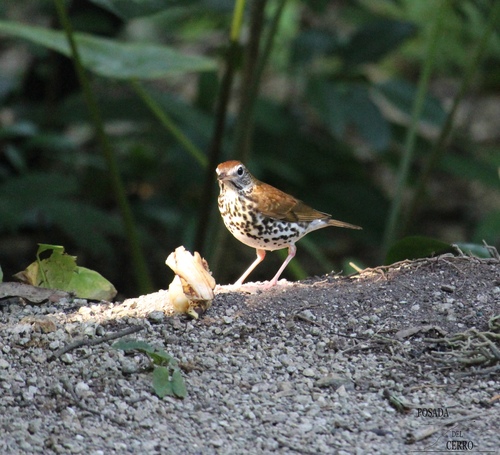 Wood Thrush
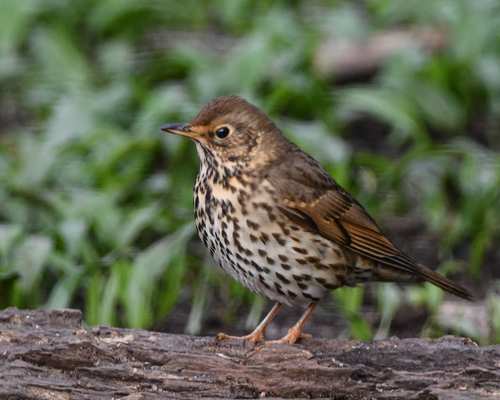 Tordo bottaccio
In breve
Il segno di campo più affidabile tra Wood Thrush e Tordo bottaccio è il motivo e la boldness delle macchie sul petto: Wood Thrush mostra grandi macchie scure ben separate su uno sfondo bianco, mentre Tordo bottaccio ha macchie nere più piccole, più dense e disposte in modo più ordinato su parti inferiori crema o buff. I giovani di entrambe le specie sono simili agli adulti, ma i giovani di Wood Thrush hanno macchie extra sulla schiena e sulle copritrici delle ali, una caratteristica non presente nel Tordo bottaccio. Strutturalmente, Wood Thrush è leggermente più piccolo e più compatto, con un tono cannella più caldo sulla corona e sul nape, mentre il Tordo bottaccio è un po' più pesante e di un marrone più freddo sopra. Entrambe le specie hanno zampe rossastre, ma Wood Thrush ha un anello oculare bianco più distintivo. In volo, il colore delle ali inferiori è un indizio utile: il Tordo bottaccio lampeggia ali inferiori giallo caldo, mentre Wood Thrush non lo fa.
Consigli di identificazione
- Juvenile upperparts: Il giovane Wood Thrush mostra macchie extra sulla schiena, sul collo e sulle copritrici delle ali; i giovani Tordo bottaccio hanno strisce buff o arancioni in queste aree invece. Questo è un segno chiave a fine estate e inizio autunno.
- Breast spotting: Wood Thrush ha grandi, audaci, rotonde macchie scure su un petto e fianchi bianchi, ampiamente distanziati. Tordo bottaccio ha macchie nere più piccole, più ordinate e più dense su parti inferiori crema o buff. Questo è affidabile in tutte le livree.
- Underwing color in flight: Il Tordo bottaccio lampeggia ali inferiori giallo caldo, particolarmente evidente quando si inclina o atterra. Wood Thrush non ha questa ala inferiore gialla.
- Crown and nape color: Wood Thrush ha una corona e un nape marrone cannella ricco, in contrasto con un dorso marrone più opaco. Tordo bottaccio è marrone uniforme sopra, senza toni caldi.
- Eyering: Wood Thrush mostra un anello oculare bianco prominente, che si distingue nel campo. L'anello oculare del Tordo bottaccio è molto meno distintivo.
- Bill color: Tordo bottaccio ha un becco giallastro, specialmente alla base; il becco di Wood Thrush è più scuro nel complesso.
- Leg color: Entrambi hanno zampe rossastre, ma questo non è un forte separatore.
- Size and structure: Tordo bottaccio è leggermente più grande e più pesante, con una corporatura più robusta e un corpo più lungo. Wood Thrush è più compatto e delicato, ma la sovrapposizione delle dimensioni è considerevole.
- Habitat: Wood Thrush preferisce foreste mature e dense con una fitta vegetazione; Tordo bottaccio è comune in giardini, parchi, siepi e boschi aperti. In Nord America, il Tordo bottaccio è un vagabondo; in Europa, Wood Thrush è estremamente raro.
- Behavior: Wood Thrush è più segreto, spesso cerca cibo da solo nel fogliame; Tordo bottaccio è più audace, canta da posatoi esposti e può essere visto in aree più aperte.
- Song: Il canto di Wood Thrush è simile a un flauto ed etereo, con frasi chiare e distanziate. Il canto del Tordo bottaccio è ripetitivo, forte e spesso include mimetismo e frasi ripetute.
- Calls: Il Tordo bottaccio emette richiami acuti 'tsip' e 'chook-chook'; i richiami di Wood Thrush sono meno acuti e non così ripetitivi.
- Seasonal context: In Nord America, il Tordo bottaccio è probabile solo come vagabondo; in Europa, Wood Thrush è una mega-rarità. Considera sempre la posizione e il periodo dell'anno.
- Sex differences: Entrambe le specie sono sessualmente monomorfiche nella livrea; non fare affidamento sul sesso per l'identificazione.
- Pitfalls: Fai attenzione a confondere il giovane Wood Thrush con il Tordo bottaccio a causa delle dimensioni simili e del motivo generale marrone/bianco, ma controlla le macchie sulla schiena e sulle copritrici delle ali nei giovani Wood Thrush e il colore delle ali inferiori nel Tordo bottaccio.
Taglia
Il Tordo bottaccio è leggermente più grande e più pesante, con una massa corporea media di 72 g (intervallo 50–107 g), mentre Wood Thrush è un po' più piccolo e più leggero (48–72 g). In lunghezza, il Tordo bottaccio misura 20–23,5 cm, rispetto ai 18–21,5 cm di Wood Thrush. Entrambi sono tordi di dimensioni medie, ma il Tordo bottaccio ha un aspetto più robusto e massiccio, mentre Wood Thrush è più compatto e delicato. La corda dell'ala e l'apertura alare sono simili, ma il Tordo bottaccio può apparire più lungo e con un becco più pesante in un confronto diretto.
Piumaggio
Il giovane Wood Thrush è distintivo con macchie extra sulla schiena, sul collo e sulle copritrici delle ali—cerca questi segni chiari o scuri sparsi sulle parti superiori, che sono assenti nei giovani Tordo bottaccio (che invece mostrano strisce buff o arancioni sulla schiena e sulle copritrici delle ali). L'adulto Wood Thrush ha una corona e un nape marrone cannella ricco, sfumando in un marrone più opaco sulla schiena, sulle ali e sulla coda, con macchie scure rotonde e audaci su un petto e fianchi bianchi. Gli adulti del Tordo bottaccio sono di un marrone più freddo sopra, con parti inferiori crema o giallo-buff coperte di macchie nere più piccole e ben definite, disposte in modo più ordinato e denso, specialmente sul petto e sui fianchi. L'ala inferiore del Tordo bottaccio è gialla calda, visibile in volo, mentre Wood Thrush non ha questa caratteristica. Entrambi hanno zampe rosa, ma Wood Thrush mostra un anello oculare bianco più prominente. Il colore del becco differisce: il becco del Tordo bottaccio è giallastro, mentre quello di Wood Thrush è più scuro.
Comportamento
Wood Thrush è spesso solitario, specialmente in stagione di nidificazione, e cerca cibo principalmente sul pavimento della foresta, girando le foglie in cerca di insetti. Il Tordo bottaccio è più probabile da vedere in coppie o piccoli gruppi, ed è anche un cercatore di cibo a terra, ma può essere più visibile in aree aperte o giardini. Entrambe le specie saltellano a terra, ma Wood Thrush è più segreto e preferisce il sottobosco denso, mentre il Tordo bottaccio è più audace e più propenso a cantare da posatoi esposti. In inverno, Wood Thrush può unirsi a stormi di specie miste, ma questo è meno tipico per il Tordo bottaccio.
Habitat
Wood Thrush nidifica in foreste decidue mature o miste con una fitta vegetazione nel nord-est dell'America, e sverna in foreste di pianura dell'America Centrale. Il Tordo bottaccio nidifica in tutto il Paleartico occidentale in una vasta gamma di habitat boschivi, inclusi giardini, parchi e siepi, ed è molto più adattabile a paesaggi alterati dall'uomo. Se visto in una foresta profonda e umida, è più probabile che si tratti di Wood Thrush; in boschi aperti, giardini o parchi urbani, il Tordo bottaccio è la norma nel suo areale.
Voce
Il canto di Wood Thrush è considerato uno dei più belli in Nord America, una serie eterea e simile a un flauto di frasi musicali chiare, ciascuna separata da pause. Il canto del Tordo bottaccio è forte, chiaro e ripetitivo, con frasi musicali ripetute da due a quattro volte e intervallate da note graffianti e mimetismo. Il Tordo bottaccio è molto più probabile che imiti altri uccelli e persino suoni meccanici. I richiami differiscono: il Tordo bottaccio emette un acuto 'tsip' o 'chook-chook', mentre i richiami di Wood Thrush sono meno ben descritti nelle fonti, ma non sono così acuti o ripetitivi.