

Wood Snipe vs Beccaccino stenuro
Gallinago nemoricola contro Gallinago stenura
Fai un quiz con Wood Snipe e Beccaccino stenuro
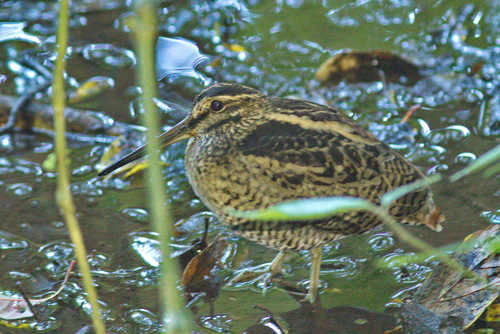 Wood Snipe
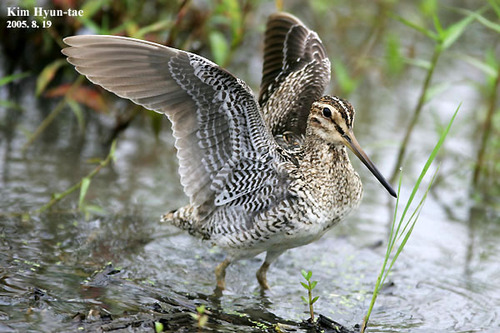 Beccaccino stenuro
In breve
Il modo più affidabile per separare il Beccaccino da Beccaccino stenuro è la struttura e il volume complessivi: il Beccaccino è significativamente più grande e pesante, con un becco visibilmente più corto e spesso e un aspetto più scuro e uniforme. Il Beccaccino stenuro è più piccolo, più snello e ha un becco più lungo e fine, con una parte superiore più decorata e una forma di coda distintiva in volo. Se vedi l'uccello in volo, cerca le piume della coda più corte e simili a un perno del Beccaccino stenuro, che possono produrre un suono fischiante in mostra. L'habitat può anche aiutare: il Beccaccino è uno specialista dell'Himalaya ad alta quota, mentre il Beccaccino stenuro è più diffuso e meno legato ai prati alpini.
Consigli di identificazione
- Dimensione e Volume: Il Beccaccino è molto più grande e pesante del Beccaccino stenuro; cerca un uccello robusto e dal petto largo (tutte le età, tutte le stagioni).
- Struttura del Becco: Il Beccaccino ha un becco più corto e spesso; il becco del Beccaccino stenuro è più lungo e fine (tutte le età, tutte le stagioni).
- Forma della Coda in Volo: Il Beccaccino stenuro ha piume esterne della coda simili a perni che possono essere viste in volo o in mostra; la coda del Beccaccino è corta e larga, priva di questa caratteristica (meglio nei maschi adulti, ma può essere vista in uccelli spaventati di entrambi i sessi).
- Tono Generale del Piumaggio: Il Beccaccino è più scuro e più uniforme sopra, con meno contrasto e meno linee chiare; il Beccaccino stenuro è più decorato, con linee crema lungo la schiena e un ventre chiaro (tutte le età, ma specialmente gli adulti).
- Motivo Facciale: Il Beccaccino stenuro ha una striscia oculare scura con linee chiare sopra e sotto; il volto del Beccaccino è meno marcato (tutte le età).
- Parte Inferiore: Il Beccaccino stenuro ha un petto color buff striato e un ventre bianco; il Beccaccino è più scuro e meno pulito nella parte inferiore (tutte le età).
- Forma delle Ali: Le ali del Beccaccino stenuro sono meno appuntite rispetto al Beccaccino comune, ma questo non è un forte contrasto con il Beccaccino; concentrati su altri segni (tutte le età).
- Stile di Volo: Il Beccaccino stenuro si alza con un percorso di volo più piatto e diretto; il Beccaccino può apparire più pesante e meno agile in volo (tutte le età).
- Comportamento di Mostra: I maschi del Beccaccino stenuro si esibiscono in gruppi, producendo un suono fischiante dalla coda; il Beccaccino non si esibisce in questo modo (stagione di riproduzione, maschi).
- Habitat: Il Beccaccino è uno specialista dell'Himalaya ad alta quota; il Beccaccino stenuro è diffuso in habitat di pianura e paludosi (tutte le età, tutte le stagioni).
- Distribuzione Geografica: Se ti trovi nell'Himalaya sopra i 3.000 m, il Beccaccino è possibile; altrove, specialmente nelle pianure, il Beccaccino stenuro è molto più probabile (tutte le età).
- Abbondanza: Il Beccaccino è raro e locale; il Beccaccino stenuro è comune e diffuso (tutte le età).
- Vocalizzazioni: Se senti un'esibizione fischiante o ronzante, è il Beccaccino stenuro; il Beccaccino non è noto per tali suoni vocali o meccanici (stagione di riproduzione).
- Comportamento Alimentare: Il Beccaccino può essere visto cercare cibo tra i massi o in prati alpini più secchi; il Beccaccino stenuro preferisce terreni più umidi e paludosi (tutte le età).
- Trappole: In scarsa illuminazione o viste distanti, entrambi possono apparire scuri e simili a beccaccini; fai affidamento su dimensione, struttura del becco e habitat come indizi principali, e cerca il becco a perno in volo per il Beccaccino stenuro.
Taglia
Il Beccaccino è molto più pesante (170 g contro 116,5 g) e più lungo (28–32 cm contro 25–27 cm) rispetto al Beccaccino stenuro. Sul campo, il Beccaccino appare più massiccio e robusto, con un aspetto dal petto largo. Il Beccaccino stenuro è visibilmente più snello e più delicato, con un aspetto più leggero e agile. Anche la struttura del becco differisce: il Beccaccino ha un becco più corto e spesso, mentre quello del Beccaccino stenuro è più lungo e fine.
Piumaggio
- Giovanile/Immaturi/Non in riproduzione (quando si verifica la maggior parte della confusione): Non è descritto alcun modello dettagliato della parte superiore dell'ala giovanile per entrambe le specie nelle fonti, ma il Beccaccino stenuro è noto per una parte superiore più decorata con linee crema lungo la schiena e un petto color buff striato chiaro. Il Beccaccino è descritto come complessivamente più scuro e uniforme, privo delle forti linee chiare e con un aspetto più pesante e scuro.
- Adulti: Il Beccaccino è marrone scuro sopra con meno contrasto e un aspetto generalmente più scuro e uniforme. Il Beccaccino stenuro mostra più contrasto, con linee crema sulla schiena, una striscia oculare scura bordata da linee chiare e un ventre bianco. Le ali del Beccaccino stenuro sono meno appuntite rispetto al Beccaccino comune e mancano di un bordo bianco, ma questo non è un contrasto diretto con il Beccaccino.
- Coda: La coda del Beccaccino stenuro è più corta e presenta piume esterne simili a perni, che sono diagnostiche in mostra e volo. La coda del Beccaccino è relativamente corta e larga ma priva dell'effetto simile a un perno.
Comportamento
Il Beccaccino stenuro spesso si alza con un percorso di volo più piatto e diretto e può esibirsi in gruppi, con i maschi che producono un suono fischiante dalle piume della coda durante i voli di mostra. Il Beccaccino è meno probabile che venga visto in tali esibizioni di gruppo ed è più segreto, spesso cercando cibo da solo o in coppie. Il Beccaccino è anche più probabile che venga visto camminare tra i massi o cercare cibo in prati ad alta quota, mentre il Beccaccino stenuro è più tipico di habitat più bassi e umidi.
Habitat
Il Beccaccino nidifica in prati alpini sopra i 3.000 m nell'Himalaya, spesso vicino a cespugli di rododendro e massi, e sverna a quote più basse ma preferisce comunque aree montane o collinari. È una specie rara e locale, spesso trovata in luoghi remoti e ad alta quota. Il Beccaccino stenuro è molto più diffuso, trovato in una varietà di habitat paludosi a quote più basse, e non è ristretto all'Himalaya. Se stai osservando gli uccelli in veri prati alpini o pendii rocciosi sopra la linea degli alberi, il Beccaccino è molto più probabile; nelle aree di pianura o tipicamente paludose, il Beccaccino stenuro è la norma.
Voce
I maschi del Beccaccino stenuro si esibiscono con un forte e ripetitivo canto 'tcheka', un crescendo di frizzante e ronzante, e un distintivo suono fischiante prodotto dalle piume della coda simili a perni in volo. Il richiamo normale è un debole 'squik.' Non sono descritte vocalizzazioni distintive per il Beccaccino in queste fonti, quindi gli indizi vocali sono più utili per confermare il Beccaccino stenuro, specialmente in mostra.