

Willow Ptarmigan vs Starna
Lagopus lagopus contro Perdix perdix
Fai un quiz con Willow Ptarmigan e Starna
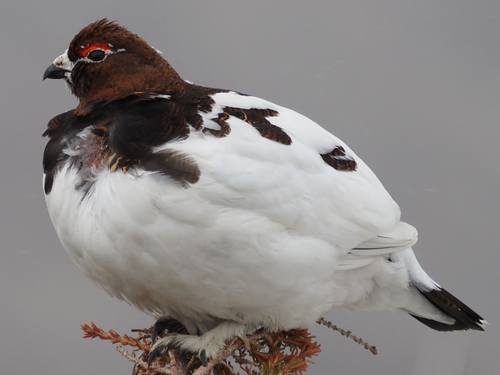 Willow Ptarmigan
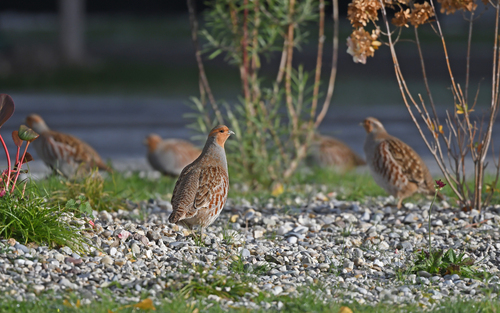 Starna
In breve
Il segno distintivo più affidabile per separare il Willow Ptarmigan dalla Starna è l'ala completamente bianca (in tutte le stagioni e età) del ptarmigan, particolarmente visibile in volo, in contrasto con le ali grigio-marroni della starna. Il Willow Ptarmigan è un uccello molto più grande, pesante e massiccio con un becco più spesso e una tendenza a mostrare un petto profondo e un collo lungo, mentre la Starna è più piccola, rotonda e più compatta. In inverno, il Willow Ptarmigan diventa quasi completamente bianco tranne che per le penne della coda nere, mentre la Starna rimane di tonalità terrose tutto l'anno. L'habitat è anche un forte indizio: i ptarmigan sono uccelli delle brughiere e tundre settentrionali, le starne di terreni agricoli e praterie. La voce e il comportamento possono aiutare, ma l'ala bianca e il piumaggio stagionale sono i controlli sul campo più rapidi.
Consigli di identificazione
- Ali bianche in volo (tutte le età/stagioni): Il Willow Ptarmigan mostra sempre ali bianche, anche in estate o nel piumaggio giovanile; la Starna non lo fa mai. Questo è il segno distintivo più rapido, specialmente quando gli uccelli si alzano in volo.
- Piumaggio invernale: In inverno, il Willow Ptarmigan è quasi completamente bianco con solo le penne esterne della coda nere; la Starna rimane marrone e grigia tutto l'anno.
- Piumaggio estivo: Il Willow Ptarmigan in estate è marrone marmorizzato con un collo e un petto rossastri, coda nera e ali/sottocoda bianche; la Starna è di tonalità terrose con un volto castano e fianchi grigi, mai rossastri o marmorizzati.
- Uccelli giovani: Il giovane Willow Ptarmigan assomiglia agli adulti ma ha ali bianche; il giovane Starna è giallo-marrone complessivamente, privo di forti segni sul volto o sulle parti inferiori, e non mostra mai bianco nell'ala.
- Dimensioni e struttura: Il Willow Ptarmigan è molto più grande, massiccio e con un petto più profondo, con un collo più lungo e un becco più spesso; la Starna è più piccola, rotonda e più compatta.
- Coda: Il Willow Ptarmigan ha una coda corta e arrotondata, nera (visibile in estate) o penne esterne della coda nere (in inverno); la coda della Starna è corta e marrone, che si fonde con il dorso.
- Becco: Il ptarmigan ha un becco spesso e largo adatto al pascolo; il becco della starna è più fine e corto.
- Differenze sessuali: Entrambe le specie hanno sottili differenze sessuali, ma queste non sono affidabili sul campo; concentrati sulla struttura generale e sul piumaggio.
- Habitat: Il Willow Ptarmigan si trova nelle brughiere settentrionali, tundra o foreste di betulle; la Starna si trova in terreni agricoli, praterie o margini di campo. La posizione è un forte indizio.
- Stile di volo: Entrambi si alzano in volo con ali arrotondate e fruscianti, ma il volo del ptarmigan è più pesante e diretto; la starna è più veloce e si abbassa a coprirsi prima.
- Voce: Se senti un canto aspro 'kieerr-ik' o 'rick rick rick' mentre l'uccello si alza in volo, è una Starna; le chiamate del Willow Ptarmigan non sono descritte qui.
- Comportamento in gruppo: In autunno/inverno, entrambi possono formare gruppi, ma i branchi di ptarmigan si trovano spesso in paesaggi aperti e remoti, mentre i covi di starne sono nei campi.
- Segni facciali: La Starna ha un volto castano distintivo; il Willow Ptarmigan non ha questo e può mostrare creste oculari rosse nei maschi durante la riproduzione.
- Parti inferiori: Le parti inferiori del Willow Ptarmigan sono bianche in tutte le stagioni; la Starna ha parti inferiori grigie con una macchia scura sul ventre (più piccola nelle femmine).
- Quando in dubbio: Se vedi un uccello con ali bianche e corpo bianco in inverno, è un ptarmigan; se l'uccello è marrone/grigio senza bianco nell'ala, è una starna.
Taglia
Il Willow Ptarmigan è significativamente più grande e pesante della Starna. Il ptarmigan pesa in media circa 650 g, con una lunghezza di 35–44 cm e un'apertura alare di 60–65 cm. Al contrario, la Starna è molto più leggera (tipicamente 320–455 g), più corta (29–31 cm) e con un'apertura alare più piccola (45–48 cm). Sul campo, il ptarmigan appare più massiccio, con un petto più profondo e un collo più lungo, mentre la starna è più compatta e rotonda.
Piumaggio
I giovani e gli adulti Willow Ptarmigan di tutte le età e stagioni mostrano ali bianche, che sono particolarmente evidenti in volo e contrastano con il loro colore del corpo. In estate, il Willow Ptarmigan è marrone marmorizzato sopra con collo e petto rossastri, coda nera e ali e parti inferiori bianche; in inverno, diventa quasi completamente bianco tranne che per le penne esterne della coda nere. La Starna, in tutte le età, ha ali grigio-marroni e non mostra mai bianco nell'ala. Le starne giovani sono complessivamente giallo-marroni e mancano dei segni sul volto e sulle parti inferiori degli adulti. L'adulto Starna ha un dorso marrone, fianchi grigi e un volto castano, con entrambi i sessi simili ma le femmine più opache e con una macchia scura sul ventre più piccola. Il Willow Ptarmigan in inverno è straordinariamente bianco, mentre la Starna rimane di tonalità terrose per tutto l'anno.
Comportamento
Il Willow Ptarmigan è un uccello terrestre che spesso forma branchi in autunno e inverno, e i maschi sono territoriali durante la stagione di riproduzione. Possono essere visti in brughiere aperte o tundra, a volte posandosi su arbusti bassi. Anche la Starna è terrestre, ma è molto più probabile vederla in terreni agricoli aperti, praterie o margini di campo, spesso in covi. Quando si alzano in volo, entrambe le specie volano con ali arrotondate, ma il volo del ptarmigan è più pesante e diretto, mentre la starna tende a volare basso e a tornare rapidamente a coprirsi.
Habitat
L'habitat è un forte separatore. Il Willow Ptarmigan si trova nelle foreste di betulle settentrionali, brughiere e tundra—raramente sotto la linea degli alberi. La Starna è un classico uccello agricolo, preferendo campi aperti, praterie e margini agricoli, e non si trova in tundra o brughiera. Se ti trovi in terreni agricoli aperti o praterie di pianura, è quasi certamente una starna; se sei in brughiere settentrionali remote o tundra, è probabile che sia un ptarmigan.
Voce
La Starna ha un canto aspro e acuto 'kieerr-ik' e una chiamata 'rick rick rick' quando si alza in volo. Le vocalizzazioni del Willow Ptarmigan non sono descritte nelle note fornite, quindi la voce è meno affidabile per la separazione a meno che non si sentano le chiamate distintive della starna.