

Tordo dorato vs Varied Thrush
Zoothera aurea contro Ixoreus naevius
Fai un quiz con Tordo dorato e Varied Thrush
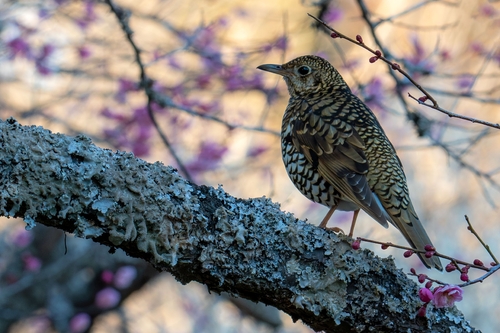 Tordo dorato
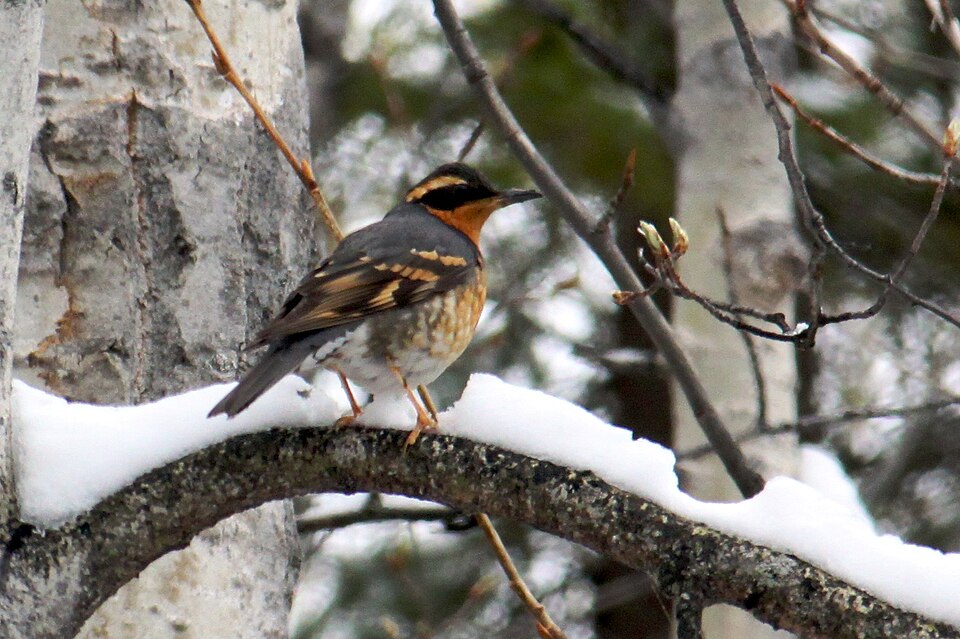 Varied Thrush
In breve
Il segno di campo più affidabile per separare il Tordo dorato dal Varied Thrush è la bold black band sulla bianca sottoala, visibile in volo sul Tordo dorato di tutte le età—una caratteristica che il Varied Thrush non ha. Sugli uccelli posati, il Tordo dorato mostra una pesante scaglie nere su uno sfondo chiaro, mentre il Varied Thrush (soprattutto i maschi adulti) è di un arancione e nero sorprendente con una bold breast band e strisce facciali. I giovani Varied Thrushes sono marroni con pance bianche e strisce coperte arancioni, ma non mostrano mai il forte schema della sottoala del Tordo dorato. Entrambi sono grandi tordi, ma il Tordo dorato è più lungo e snello, mentre il Varied Thrush è più robusto e massiccio. L'habitat e l'areale raramente si sovrappongono, ma possono verificarsi confusioni con vagabondi o in foto.
Consigli di identificazione
- Underwing pattern in flight: Il Tordo dorato (tutte le età) mostra una bold black band sulla bianca sottoala, visibile quando l'uccello sta volando—il Varied Thrush non mostra mai questa caratteristica.
- Upperparts and scaling: Il Tordo dorato posato ha pesanti scaglie nere su uno sfondo bianco o giallastro, dando un aspetto squamoso; il Varied Thrush non è mai squamoso, mostrando invece un arancione e nero intenso (maschio) o un oliva-marrone e grigio più opaco (femmina).
- Breast band: Il maschio adulto del Varied Thrush ha una curvatura scura sul petto che attraversa un petto arancione brillante; il Tordo dorato non ha alcuna breast band, mostrando invece una scaglie uniforme.
- Facial pattern: Il Varied Thrush (entrambi i sessi, ma soprattutto i maschi) ha un bold orange supercilium (sopracciglio) e strisce facciali scure; il Tordo dorato ha un volto più sobrio, che si fonde nel motivo squamoso.
- Juvenile confusion: I giovani Varied Thrushes sono marroni sopra con pance bianche e due strisce coperte arancioni, ma mancano delle scaglie e della band della sottoala del Tordo dorato. I giovani Tordi dorati assomigliano agli adulti in scaglie e schema della sottoala.
- Bill and structure: Il Varied Thrush ha un becco più corto e pesante e una struttura robusta e massiccia; il Tordo dorato è più lungo, snello e più allungato nel profilo.
- Leg color: Le gambe del Varied Thrush sono fulve o marroni scure; il colore delle gambe non è diagnostico per il Tordo dorato nelle note.
- Size impression: Il Tordo dorato è più lungo e snello, il Varied Thrush è più corto ma più pesante e compatto—utile quando gli uccelli sono affiancati o con specie familiari.
- Habitat context: Il Varied Thrush è atteso nelle foreste del nord-ovest americano, nelle città e nei frutteti in inverno; il Tordo dorato è una specie del Vecchio Mondo di foreste dense. Le osservazioni fuori areale richiedono cautela extra.
- Song: Se sentito, il Tordo dorato emette un fischio meccanico e lontano con lunghe pause; il canto del Varied Thrush non è dettagliato, quindi questo è solo un punto positivo per il Tordo dorato.
- Sex differences: Le femmine del Varied Thrush sono più opache, con toni oliva-marrone e grigio che sostituiscono l'arancione brillante e il nero del maschio, ma mostrano ancora le strisce facciali e la breast band. I sessi del Tordo dorato sono simili.
- Vagrant confusion: Rari Varied Thrushes in Europa o Tordi dorati in luoghi insoliti possono causare confusione—cerca sempre la band della sottoala e le scaglie complessive.
- Pitfalls: Le foto di uccelli posati possono essere fuorvianti se la sottoala è nascosta; cerca sempre una vista in volo se incerto.
- Flock behavior: Il Varied Thrush può essere visto in stormi, soprattutto in inverno; il Tordo dorato è più solitario.
- Rare color morphs: Estremamente rari Varied Thrushes possono mancare di arancione (morfologia bianca), ma questi sono eccezionali e mancano ancora della band della sottoala e delle scaglie del Tordo dorato.
Taglia
Il Tordo dorato è più grande in generale, misurando 27–31 cm di lunghezza [wikipedia], mentre il Varied Thrush è lungo 20–26 cm [wikipedia]. Il Varied Thrush ha un'apertura alare di 34–42 cm e una costruzione più pesante e robusta, mentre il Tordo dorato è più lungo e snello. Sul campo, il Tordo dorato può apparire più slanciato e allungato, mentre il Varied Thrush appare compatto e massiccio, simile a un American Robin ma più corto e con un corpo più pesante.
Piumaggio
I giovani e gli adulti Tordi dorati di entrambi i sessi mostrano pesanti scaglie nere su uno sfondo bianco o giallastro, con il segno più diagnostico che è la band nera sulla bianca sottoala, visibile in volo. Questo schema della sottoala è unico tra queste due specie. Gli adulti del Varied Thrush (soprattutto i maschi) sono di un arancione e nero intenso, con una curvatura scura sul petto, supercilium arancione e parti superiori blu-grigie. Le femmine sono più opache, con toni più oliva-marrone e grigi, e bande sul petto meno distinte. I giovani Varied Thrushes sono per lo più marroni sopra, con pance bianche e due strisce coperte arancioni, mancando delle pesanti scaglie o della band della sottoala del Tordo dorato. In tutte le età e sessi, il Varied Thrush non mostra mai il motivo della sottoala bianco e nero del Tordo dorato.
Comportamento
Entrambe le specie cercano cibo a terra, ma il Varied Thrush è spesso visto in stormi in inverno e può essere più evidente in aree aperte o città durante la stagione non riproduttiva. Il Tordo dorato è tipicamente solitario o in coppie, e più segreto, spesso trovato in sottoboschi di foreste dense. Lo stile di volo non è descritto in dettaglio per nessuna delle due specie, ma il Tordo dorato può apparire più allungato e galleggiante, mentre il Varied Thrush è probabile che appaia più robusto e diretto.
Habitat
Il Tordo dorato abita foreste dense nel suo areale nativo, mentre il Varied Thrush nidifica in foreste conifere umide del nord-ovest americano, soprattutto ad alte altitudini, e trascorre l'inverno a basse altitudini, nelle città, nei frutteti e nei cespugli. Il Varied Thrush è un raro vagabondo in Europa, quindi la confusione è più probabile con individui fuori areale. Il Tordo dorato non è atteso in Nord America. Se visto in habitat tipico, il contesto può aiutare, ma i vagabondi richiedono un'attenta analisi.
Voce
Il Tordo dorato ha un fischio meccanico forte e lontano, con pause di 5–10 secondi tra ogni frase di 1 secondo ("twee...tuuu....tuuu....tuuu"). Il canto del Varied Thrush non è descritto nelle note, quindi la voce non è un separatore affidabile qui.