
Tordo dorato vs Tordo siberiano
Zoothera aurea contro Geokichla sibirica
Fai un quiz con Tordo dorato e Tordo siberiano
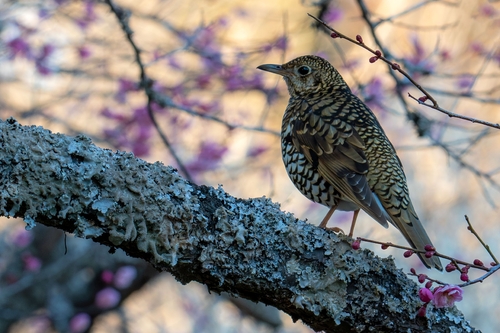 Tordo dorato
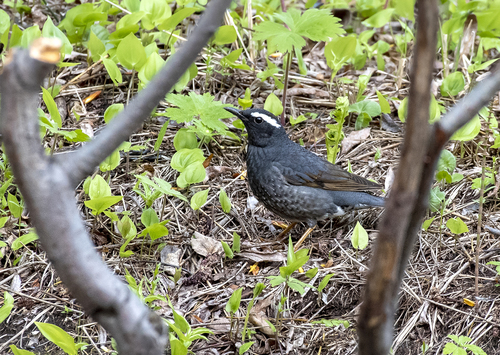 Tordo siberiano
In breve
Il segno di campo più affidabile per separare il Tordo dorato e il Tordo siberiano in volo è la bold black band sulla bianca sottoala, che è condivisa da entrambe le specie e quindi non è diagnostica tra di loro. Invece, concentrati sul piumaggio quando sono posati: il Tordo dorato mostra una pesante scaglie nere su uno sfondo bianco pallido o giallastro, mentre il Tordo siberiano manca di questo aspetto squamoso. Entrambi sono simili in dimensioni, ma il Tordo dorato tende ad apparire più grande e più robusto. Le vocalizzazioni sono utili solo se senti il canto, poiché solo il Tordo dorato è descritto come avente un fischio forte e meccanico. L'habitat e la struttura offrono poco aiuto sul campo, quindi fai affidamento sui modelli di piumaggio per la separazione.
Consigli di identificazione
- In volo, entrambe le specie mostrano una bold black band sulla bianca sottoala—questo non è un separatore, poiché entrambi lo condividono. Non fare affidamento su questa caratteristica per l'identificazione tra questi due.
- Gli uccelli posati sono meglio separati dal piumaggio del corpo: il Tordo dorato di tutte le età e sessi mostra pesanti scaglie nere su uno sfondo bianco pallido o giallastro, creando un effetto squamoso su tutto il corpo. Cerca questo modello distintivo, specialmente sulla schiena e sulle parti inferiori.
- Il Tordo siberiano manca della scaglie su tutto il corpo: i maschi sono blu-neri scuri sopra e sotto, mentre le femmine sono marroni e più uniformi, a volte con scaglie deboli ma mai così audaci o estese come il Tordo dorato.
- Dimensioni e struttura: il Tordo dorato è generalmente più grande e robusto del Tordo siberiano, con una coda più lunga. Tuttavia, questa può essere sottile e non sempre affidabile senza un confronto diretto.
- Differenze sessuali nel Tordo siberiano: i maschi sono molto più scuri (blu-neri), mentre le femmine sono marroni. Il Tordo dorato mostra poco dimorfismo sessuale, con entrambi i sessi simili nell'aspetto.
- Non sono descritti segni di volo specifici per età o immaturi per nessuna delle due specie, quindi non cercare differenze nei pannelli o nei modelli delle ali juvenile.
- Voce: Se senti un fischio forte, meccanico e che si diffonde con lunghe pause, probabilmente stai sentendo il Tordo dorato. Le vocalizzazioni del Tordo siberiano non sono descritte nelle note fornite.
- Habitat e contesto: Entrambe le specie possono verificarsi in habitat forestali simili durante la migrazione o l'inverno, quindi non fare affidamento solo sulla posizione per la separazione.
- Comportamento alimentare: Entrambi si nutrono a terra e possono volare in modo simile; il comportamento non è un separatore affidabile.
- In scarsa luce o a distanza, concentrati sull'impressione generale: il Tordo dorato apparirà spesso più chiaro e più patternato, mentre il Tordo siberiano (soprattutto i maschi) apparirà molto più scuro e uniforme.
- Se vedi un uccello con un modello squamoso su tutto il corpo, specialmente sulle parti inferiori, è il Tordo dorato. Se l'uccello è scuro e manca di questa scaglie, considera il Tordo siberiano, soprattutto se è blu-nero (maschio) o marrone uniforme (femmina).
- Non farti ingannare dal modello della sottoala in volo—entrambe le specie condividono la sottoala bianco e nero, quindi questa caratteristica da sola non può essere utilizzata per la separazione.
- Se vedi solo l'uccello in volo e non puoi valutare il piumaggio del corpo, l'identificazione potrebbe non essere possibile tra queste due specie.
- Quando hai dubbi, cerca di osservare l'uccello quando è posato per controllare il modello squamoso del Tordo dorato.
- Ricorda che entrambe le specie sono rare o locali in molte aree; controlla l'abbondanza locale su eBird se non sei sicuro, ma non fare affidamento solo sullo stato atteso.
Taglia
Entrambe le specie sono simili in dimensioni, con il Tordo siberiano elencato a circa 65 g di massa corporea [wikidata]. Il Tordo dorato è descritto come lungo 27–31 cm, ed è generalmente più robusto e lungo del Tordo siberiano, che è più vicino in dimensioni a un Tordo bottaccio. Sul campo, il Tordo dorato può apparire più robusto e con una coda più lunga, ma questa differenza è sottile e non sempre affidabile a distanza o in scarsa luce.
Piumaggio
In volo, entrambe le specie mostrano una striking black band sulla bianca sottoala, che non è utile per la separazione poiché è condivisa da entrambe. Quando sono posati, il Tordo dorato (tutte le età e sessi) è caratterizzato da ampie scaglie nere su un colore di fondo bianco pallido o giallastro, dando un aspetto distintamente 'squamoso' su tutto il corpo. Il Tordo siberiano manca di questa scaglie su tutto il corpo; invece, i maschi sono blu-neri scuri sopra e sotto, mentre le femmine sono marroni con scaglie meno distinte e un aspetto più uniforme. Non sono descritti segni di volo specifici per età o immaturi per nessuna delle due specie, quindi la principale separazione è nel piumaggio del corpo quando sono posati.
Comportamento
Entrambe le specie sono tordi che si nutrono a terra e possono comportarsi in modo simile quando si nutrono o vengono spaventati. Non sono notate differenze comportamentali distintive nelle fonti fornite.
Habitat
Non sono descritte differenze diagnostiche di habitat nelle note. Entrambe le specie sono tordi forestali e possono sovrapporsi nei terreni di migrazione o invernali.
Voce
Solo il Tordo dorato è descritto come avente un canto: un fischio forte e meccanico che si diffonde con pause di 5–10 secondi tra ciascuna frase di un secondo ("twee...tuuu....tuuu....tuuu"). Nessuna descrizione vocale è fornita per il Tordo siberiano nelle note fornite, quindi il canto è utile solo se senti il richiamo distintivo del Tordo dorato.