
White-tailed Hawk vs Swainson's Hawk
Geranoaetus albicaudatus contro Buteo swainsoni
Fai un quiz con White-tailed Hawk e Swainson's Hawk
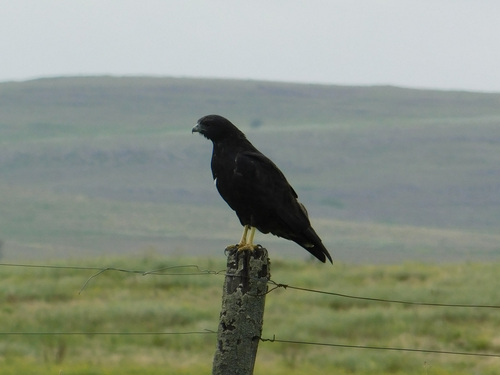 White-tailed Hawk
 Swainson's Hawk
In breve
Il segno di campo più affidabile tra White-tailed Hawk e Swainson's Hawk è la coda: il White-tailed Hawk (tutte le età) mostra una coda bianca sorprendente con una stretta banda subterminale nera, mentre il Swainson's Hawk (tutte le forme e età) ha una coda grigio-marrone con più bande scure strette e una banda subterminale più ampia. In volo, i giovani White-tailed Hawks hanno una linea alare nera e bianca audacemente macchiata e mancano della macchia spalla rugginosa degli adulti, mentre i giovani Swainson's Hawks mostrano una maculatura chiara nelle aree scure e una banda della coda meno evidente. Gli adulti sono anche separabili per i modelli delle parti inferiori e delle ali, ma fai attenzione alla variabilità nelle forme di Swainson's Hawk. La struttura e il jizz possono aiutare, ma concentrati prima sulla coda e sul modello delle ali inferiori, specialmente in volo.
Consigli di identificazione
- Il modello della coda è il segno migliore: Il White-tailed Hawk (tutte le età) mostra una coda bianca con una stretta banda subterminale nera; il Swainson's Hawk ha sempre una coda grigio-marrone con più bande scure strette e una banda subterminale più ampia. Questo è visibile in volo e spesso quando è posato.
- Macchia spalla rugginosa: L'adulto White-tailed Hawk ha una macchia spalla rugginosa molto evidente quando è posato con le ali chiuse. Il Swainson's Hawk non mostra mai questa caratteristica, indipendentemente dall'età o dalla forma.
- Modello delle ali inferiori in volo: Il Swainson's Hawk (forma chiara) ha un'ala inferiore unica a due toni: bordo anteriore chiaro (linea dell'ala) e penne di volo scure. Il White-tailed Hawk ha un'ala inferiore biancastra con bande marroni indistinte, mancando del forte contrasto del Swainson's.
- Linea alare immatura: I giovani White-tailed Hawks hanno una linea alare nera e bianca audacemente macchiata, che manca nei giovani Swainson's Hawk. I giovani Swainson's hanno una maculatura chiara nelle aree scure ma non la stessa macchiatura audace.
- Parti inferiori: L'adulto White-tailed Hawk è bianco sotto con bande deboli, mentre il Swainson's Hawk (forma chiara) è anch'esso bianco sotto ma ha un "bavaglino" rosso scuro sul petto e una macchia bianca sulla gola e sul viso. I Swainson's di forma scura sono complessivamente marrone scuro con un sottocoda chiaro, ma mancano comunque della coda bianca del White-tailed Hawk.
- Colore del croupione: Il White-tailed Hawk ha un croupione bianco, che può essere visibile in volo; il Swainson's Hawk non ha un croupione contrastante.
- Parte superiore: Il White-tailed Hawk è grigio sopra; il Swainson's Hawk è marrone sopra. Questo è più utile quando gli uccelli sono posati o visti dall'alto.
- Dimensioni e struttura: Il White-tailed Hawk è leggermente più grande e robusto, ma questa è una differenza sottile e non sempre affidabile. Entrambi sono grandi falchi dalle ali larghe.
- Stile di volo: Il White-tailed Hawk spesso si libra mentre caccia; il Swainson's Hawk è più propenso a planare con le ali tenute in un dihedro poco profondo o a cacciare da un posatoio.
- Contesto dell'habitat: In Nord America, il Swainson's Hawk è più probabile che si trovi in aree agricole e migra in grandi stormi; il White-tailed Hawk è più residente nelle praterie tropicali/subtropicali e negli arbusti aperti.
- Confusione giovanile: I giovani White-tailed Hawks possono apparire molto scuri, anche quasi neri in scarsa luce, ma controlla sempre la coda bianca con una banda nera. I giovani Swainson's sono più chiari sotto con maculature e non mostrano mai una coda bianca.
- Assenza della macchia spalla negli immaturi: I giovani White-tailed Hawks mancano della macchia spalla rugginosa, quindi non fare affidamento su questo segno per i giovani uccelli—usa invece la coda e la linea dell'ala.
- Swainson's Hawk di forma scura: Anche nelle forme scure, la coda è a bande, non bianca, e l'ala inferiore ha una macchia chiara sotto la coda. Il White-tailed Hawk non mostra mai questo modello.
- Viste posate: Cerca la combinazione di coda bianca, parte superiore grigia e macchia spalla rugginosa (adulti) sul White-tailed Hawk. Il Swainson's Hawk sarà marrone sopra, con una coda a bande e senza macchia spalla.
- Contesto stagionale: Il Swainson's Hawk è migratorio e può essere visto in grandi stormi, specialmente durante la migrazione. Il White-tailed Hawk è più solitario o in coppie, e meno probabile da vedere in stormi migratori.
Taglia
Entrambe le specie sono grandi falchi dalle ali larghe con proporzioni simili. Il White-tailed Hawk è leggermente più grande e robusto del Swainson's Hawk, ma la differenza è sottile e non sempre affidabile sul campo. Il Swainson's Hawk ha una massa corporea media di circa 958,5 g [wikidata], mentre il White-tailed Hawk è mediamente leggermente più pesante (vedi misurazioni dettagliate nelle note), ma la sovrapposizione è considerevole. Usa la dimensione solo come indizio di supporto quando gli uccelli sono visti fianco a fianco.
Piumaggio
- Uccelli immaturi/giovanili:
- I giovani White-tailed Hawk sono complessivamente più scuri degli adulti, a volte quasi neri in scarsa luce, e mancano della macchia spalla rugginosa. La loro linea alare è audacemente macchiata di nero e bianco, e la coda è marrone con diverse barre scure, diventando più grigia con una banda sfumata man mano che maturano.
- I giovani Swainson's Hawk sono più chiari sotto, con maculature chiare nelle aree scure e maculature scure sui fianchi. Il petto è chiaro con alcune macchie più scure, e la coda ha più bande scure strette ma la banda subterminale è meno evidente rispetto agli adulti. Nessuna macchia spalla rugginosa o pesante maculatura nera e bianca sulla linea dell'ala.
- Adulti:
- Gli adulti White-tailed Hawk sono grigi sopra, bianchi sotto e sul croupione, con bande deboli grigie o rugginose. La coda è corta, bianca e ha una stretta banda nera vicino alla punta—molto evidente in volo. La macchia spalla rugginosa è diagnostica quando è posata. Le ali inferiori sono bianche con bande marroni indistinte.
- Gli adulti Swainson's Hawk (forma chiara) sono bianchi sotto con un "bavaglino" rosso scuro sul petto, una macchia bianca sulla gola e sul viso, e parti superiori marroni. Le ali inferiori mostrano linee chiare e penne di volo scure, formando un aspetto unico a due toni. La coda è grigio-marrone con circa sei bande scure strette e una banda subterminale più ampia. Esistono forme scure e rugginose, ma tutte hanno code a bande, non bianche.
- Contrasti chiave: Il White-tailed Hawk ha sempre una coda bianca con una singola banda nera; il Swainson's Hawk ha sempre una coda grigio-marrone a bande. Il modello dell'ala inferiore e la macchia spalla sono anche indizi forti.
Comportamento
Entrambe le specie cacciano da posatoi o planando su terreni aperti. Il White-tailed Hawk spesso si libra mentre caccia, mentre il Swainson's Hawk è più propenso a planare con le ali in un dihedro o a cacciare da un posatoio. Il Swainson's Hawk è noto per seguire trattori e incendi per catturare insetti e piccoli animali, e spesso si posa o si riposa a terra durante la migrazione. Il White-tailed Hawk è più probabile da vedere planare o librarsi su habitat aperti. Entrambi possono essere opportunistici, ma il Swainson's Hawk è particolarmente associato a sciami di cavallette e attività agricole.
Habitat
Il White-tailed Hawk si trova in habitat aperti tropicali e subtropicali delle Americhe, spesso in praterie, savane o arbusti aperti. Il Swainson's Hawk nidifica in terreni aperti, praterie e aree agricole, specialmente nel nord-ovest dell'America, e sverna in Sud America. Sebbene entrambi preferiscano habitat aperti, il Swainson's Hawk è più strettamente legato ai paesaggi agricoli e migratorio in gran parte del suo areale, mentre il White-tailed Hawk è più residente nelle zone tropicali/subtropicali.
White-tailed Hawk · Swainson's Hawk · I miei uccelli difficili