

White-shouldered Tanager vs White-lined Tanager
Loriotus luctuosus contro Tachyphonus rufus
Fai un quiz con White-shouldered Tanager e White-lined Tanager
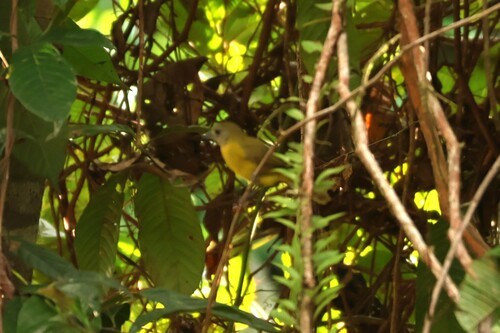 White-shouldered Tanager
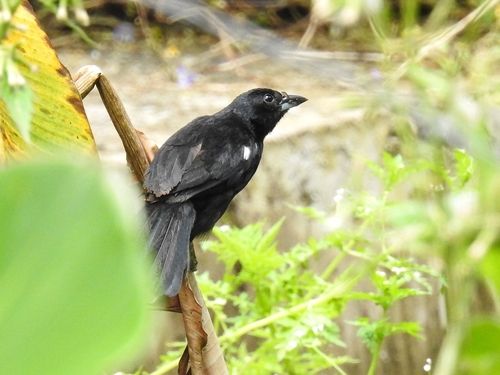 White-lined Tanager
In breve
Il segno distintivo più affidabile tra questi due tangari è il piumaggio femminile e immaturo: le femmine e i giovani White-shouldered Tanagers hanno la testa grigia con toni oliva e gialli, mentre le femmine e i giovani White-lined Tanagers sono completamente rufous. Per i maschi adulti, osserva le marcature bianche sulle ali: il White-shouldered mostra una grande e ovvia macchia bianca sulla spalla anche quando è posato, mentre il bianco del White-lined è molto più piccolo e di solito nascosto tranne che in volo. Anche le dimensioni sono un forte indizio, poiché il White-lined è notevolmente più grande e massiccio. In volo, controlla l'estensione e la posizione del bianco sull'ala e sull'ala inferiore, e usa la struttura e la forma del becco come indizi di supporto.
Consigli di identificazione
- Female/immature plumage: Se l'uccello è completamente rufous (compresa la testa e le parti inferiori), è una femmina o un immaturo White-lined Tanager. Se mostra una testa grigia, un dorso verde oliva e parti inferiori giallastre, è una femmina o un giovane White-shouldered Tanager. Questo è il segno distintivo più affidabile al di fuori dei maschi adulti.
- White shoulder patch (adult males): Una prominente macchia bianca sulla spalla, visibile anche quando è posato, indica il White-shouldered Tanager. Se il bianco è visibile solo in volo o in display e è molto più piccolo, sospetta il White-lined Tanager.
- White in flight: Entrambi i maschi hanno copritrici bianche sull'ala inferiore, ma il bianco del White-shouldered è più esteso e può essere visto a riposo; quello del White-lined è per lo più nascosto e lampeggia in volo o in display.
- Size and structure: Il White-lined Tanager è molto più grande e massiccio, con una coda visibilmente più lunga e un becco più robusto. Se l'uccello appare piccolo e snello, è più probabile che sia un White-shouldered.
- Bill color: Il becco del White-shouldered Tanager è nerastro con una base più chiara (varia a seconda della sottospecie), mentre quello del White-lined è robusto e completamente nero.
- Sexual dimorphism: Solo il White-shouldered Tanager è fortemente dimorfico sessualmente; la femmina e l'immaturo del White-lined sono rufous, il maschio è nero. Le femmine del White-shouldered sono grigie/olive/gialle, i maschi sono neri con una spalla bianca.
- Juvenile confusion: I giovani White-shouldered Tanagers assomigliano a femmine più opache (grigie/olive/gialle), mentre i giovani White-lined sono rufous come le femmine adulte.
- Behavior: I White-lined Tanagers sono più solitari o in coppie e possono mostrare il loro bianco sotto l'ala durante il corteggiamento. I White-shouldered Tanagers sono più propensi a unirsi a stormi misti.
- Habitat: Il White-shouldered preferisce il sottobosco e i margini forestali, il White-lined è più spesso in boschi aperti, giardini e aree cespugliose.
- Perched vs flight views: Se vedi un maschio nero posato con una grande macchia bianca sulla spalla, è un White-shouldered. Se il bianco è visibile solo in volo, è probabile che sia un White-lined.
- Subspecies variation: Alcune sottospecie di White-shouldered hanno macchie bianche più grandi o più brillanti o differenze sottili nel colore del becco—controlla le guide locali per dettagli.
- Mixed flocks: Se l'uccello fa parte di uno stormo misto, è più probabile che sia un White-shouldered; il White-lined raramente si unisce a tali gruppi.
- Vocalization: Se senti un 'cheeru' veloce e ripetitivo, è un White-lined Tanager. La mancanza di canto non è diagnostica per il White-shouldered.
- Nest placement (if observed): I White-shouldered nidificano bassi nel sottobosco; i White-lined nidificano più in alto negli alberi o nei cespugli.
- Geographic overlap: Entrambe le specie si trovano insieme in gran parte del Centro e del nord America del Sud, quindi non fare affidamento solo sull'areale.
Taglia
Il White-lined Tanager è significativamente più grande e pesante, misurando circa 18,5 cm e 33 g, rispetto ai 13–14 cm e 11,5–15 g del White-shouldered Tanager [wikipedia]. Il White-lined ha anche una coda più lunga e un becco più robusto e massiccio. Questa differenza di dimensioni è solitamente evidente sul campo, specialmente quando entrambe le specie vengono viste nella stessa area, ma può essere più difficile da giudicare in isolamento o a distanza.
Piumaggio
- Females and immatures: Le femmine e i giovani White-shouldered Tanager hanno la testa grigia con parti superiori verde oliva e parti inferiori giallastre, a volte con una gola grigia. Al contrario, le femmine e i giovani White-lined Tanagers sono completamente rufous, con una pancia più chiara ma senza toni grigi o oliva. Questa differenza è immediata e affidabile a tutte le età tranne che nei maschi adulti.
- Adult males: I maschi di entrambe le specie sono neri lucidi nel complesso, ma le marcature bianche differiscono. I maschi del White-shouldered Tanager hanno una prominente macchia bianca sulla spalla (formata da copritrici marginali, minori e mediane bianche) che è visibile anche quando è posato. I maschi del White-lined Tanager hanno una macchia bianca molto più piccola, per lo più limitata alle copritrici dell'ala inferiore e a una piccola area sull'ala superiore, che di solito è visibile solo in volo o in display. Entrambi hanno copritrici bianche sull'ala inferiore, ma il bianco del White-shouldered è più esteso e ovvio a riposo.
- Juveniles: I giovani White-shouldered Tanagers assomigliano a versioni più opache e uniformi della femmina, mantenendo il motivo grigio e oliva/giallo. I giovani White-lined Tanagers sono rufous come la femmina adulta, privi di qualsiasi grigio o oliva.
- Bill color: I White-shouldered Tanagers hanno un becco nerastro con una base leggermente più chiara per la mandibola (varia a seconda della sottospecie), mentre i White-lined Tanagers hanno un becco per lo più nero e robusto.
Comportamento
I White-lined Tanagers sono spesso territoriali e tendono a essere visti singolarmente o in coppie, raramente unendosi a stormi misti. I maschi possono mostrare le loro macchie bianche sotto l'ala durante il corteggiamento. I White-shouldered Tanagers sono più propensi a unirsi a stormi misti e possono essere visti foraggiando nel sottobosco o nel piano medio della foresta. Entrambe le specie costruiscono nidi a forma di coppa, ma quello del White-lined è più massiccio e posizionato più in alto negli alberi o nei cespugli, mentre il White-shouldered tende a nidificare più in basso nel sottobosco.
Habitat
Entrambe le specie si sovrappongono in gran parte del Centro e del nord America del Sud, compresa Trinidad. I White-shouldered Tanagers si trovano più spesso nel sottobosco e nei margini forestali, a volte unendosi a stormi misti. I White-lined Tanagers preferiscono boschi più aperti, margini forestali, giardini e aree cespugliose, e sono meno propensi a essere visti in stormi misti. L'habitat da solo non è diagnostico ma può supportare un'identificazione quando combinato con altri segni.
Voce
Il canto del White-lined Tanager è descritto come un 'cheeru' veloce e ripetitivo. Non c'è descrizione vocale per il White-shouldered Tanager nelle note fornite, quindi la voce non è un separatore affidabile basato su queste fonti.
White-shouldered Tanager · White-lined Tanager · I miei uccelli difficili