

White-rumped Spinetail vs Silver-backed Needletail
Zoonavena sylvatica contro Hirundapus cochinchinensis
Fai un quiz con White-rumped Spinetail e Silver-backed Needletail
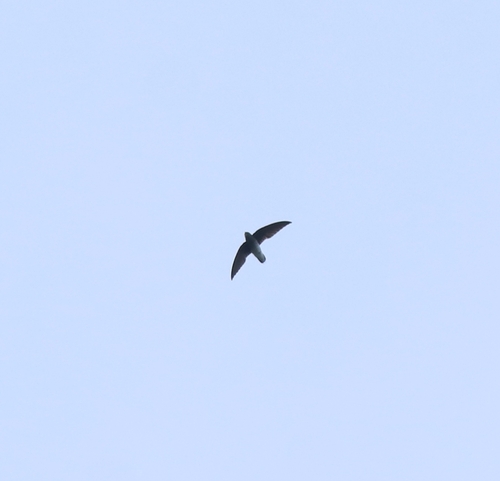 White-rumped Spinetail
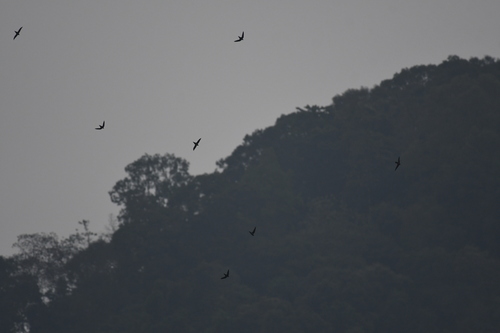 Silver-backed Needletail
In breve
Il segno di campo più affidabile per separare il White-rumped Spinetail dal Silver-backed Needletail è la presenza di una distintiva macchia bianca sul ventre o sul posteriore dello spinetail, che manca nel needletail. Entrambe le specie sono swift con una struttura complessiva simile, ma lo spinetail è molto più piccolo e di solito viene visto sopra corpi idrici forestali, mentre il needletail è un grande e potente swift delle foreste del sud-est asiatico. Se vedi uno swift con un prominente ventre bianco nei Western Ghats o nelle foreste vicine, è quasi certamente un White-rumped Spinetail. Al contrario, un swift molto più grande privo di ventre bianco e trovato più a est è probabilmente un Silver-backed Needletail.
Consigli di identificazione
- White vent/rump patch: Cerca una distintiva macchia bianca sul ventre o sul posteriore; questa è presente in tutte le età del White-rumped Spinetail e assente nel Silver-backed Needletail. Questo è il segno di campo più affidabile.
- Overall size: Se hai un senso di scala, il Silver-backed Needletail è molto più grande e pesante (80g) rispetto al piccolo spinetail. Nei gruppi misti di swift, il needletail si distinguerà per la sua massa.
- Flight style: Il needletail è uno swift potente e veloce, che appare spesso più energico e diretto. Lo spinetail, essendo più piccolo, può apparire più leggero e agile, specialmente quando cerca cibo a bassa quota sopra i corpi idrici forestali.
- Geographic range: Il White-rumped Spinetail si trova solo nei Western Ghats, in Bangladesh e in Nepal, mentre il Silver-backed Needletail si trova nel sud-est asiatico, a Sumatra, Giava e Taiwan. Se ti trovi in India o Nepal, è probabile che tu stia vedendo uno spinetail; più a est, sospetta il needletail.
- Habitat preference: Gli spinetail sono strettamente legati ai corpi idrici forestali, mentre i needletail sono più generalisti all'interno delle foreste del sud-est asiatico.
- Plumage uniformity: A parte il ventre bianco, lo spinetail è altrimenti scuro sopra e sotto, simile al needletail. Non fare affidamento su sottili colorazioni del dorso, poiché il dorso 'argenteo' del needletail non è una macchia ben definita e può essere difficile da vedere sul campo.
- No white vent on needletail: Se vedi uno swift senza traccia di bianco sul ventre o sul posteriore, specialmente nel sud-est asiatico, è probabile che tu stia osservando un Silver-backed Needletail.
- No age-specific upperwing marks: Nessuna delle due specie è riportata come mostrante modelli distintivi di ali superiori giovanili o immature che aiuterebbero nella separazione.
- Perched views are rare: Entrambe le specie sono quasi sempre viste in volo, quindi concentrati sui segni di volo e sulla silhouette.
- Potential confusion with House Swift: Lo spinetail può assomigliare a un House Swift, ma il ventre bianco è diagnostico per lo spinetail.
- No vocal clues provided: Le vocalizzazioni non sono descritte nelle fonti, quindi non fare affidamento sui richiami per la separazione.
- Sexes similar: Non è stato notato dimorfismo sessuale per nessuna delle due specie, quindi tutti i segni di campo si applicano a entrambi i sessi.
- Beware of lighting: In condizioni di scarsa illuminazione, il ventre bianco dello spinetail può essere meno evidente, ma dovrebbe comunque essere visibile nella maggior parte delle condizioni.
- Contextual clues: Se vedi uno swift piccolo sopra uno stagno forestale nei Western Ghats con un ventre bianco, è quasi certamente uno spinetail. Un swift molto più grande e uniforme nel sud-est asiatico è il needletail.
- Avoid confusion with other needletails: Solo il Silver-backed Needletail è presente nel confronto; altri needletail possono avere segni di campo diversi.
Taglia
Il Silver-backed Needletail è drammaticamente più grande e pesante del White-rumped Spinetail, con una massa adulta di circa 80 grammi [wikidata], rispetto al molto più piccolo spinetail (non è disponibile una massa precisa, ma tutte le fonti concordano sul fatto che sia un piccolo swift). Questa differenza di dimensioni è sorprendente in un confronto diretto: il needletail è uno swift robusto e potente, mentre lo spinetail è visibilmente piccolo e più leggero in volo.
Piumaggio
La principale differenza nel piumaggio è la macchia bianca sul ventre o sul posteriore del White-rumped Spinetail, visibile da sotto e da dietro in volo in tutti i piumaggi. Il Silver-backed Needletail manca di questo ventre bianco e ha invece un corpo inferiore e un dorso più uniformi e scuri, a volte con una lucentezza argentata o pallida sul dorso ma non una macchia bianca ben definita. Non sono descritti modelli specifici per le ali superiori di età per nessuna delle due specie nelle note disponibili, quindi questo ventre bianco è il segno più consistente in tutte le età e stagioni. Entrambe le specie mostrano altrimenti la tipica silhouette degli swift e un piumaggio scuro, ma il ventre bianco dello spinetail è unico e diagnostico.
Comportamento
Il White-rumped Spinetail è spesso visto volare basso sopra i corpi idrici all'interno delle foreste, tipicamente nei Western Ghats, in Bangladesh e in Nepal. Tende a rimanere vicino alle aree boschive e all'acqua. Il Silver-backed Needletail è uno swift forte e veloce del sud-est asiatico, a volte appare come un vagabondo su isole. Entrambe le specie sono insettivori aerei, ma la maggiore dimensione del needletail e il volo più potente possono farlo apparire più massiccio e più energico in aria.
Habitat
Il White-rumped Spinetail è ristretto alle foreste dei Western Ghats, in Bangladesh e in Nepal, ed è frequentemente visto sopra i corpi idrici all'interno di queste foreste. Il Silver-backed Needletail abita le foreste del sud-est asiatico, a Sumatra, Giava e Taiwan, ed è un raro vagabondo altrove. I loro areali non si sovrappongono tipicamente, quindi il contesto geografico è un forte indizio: spinetail nel subcontinente indiano, needletail più a est.
White-rumped Spinetail · Silver-backed Needletail · I miei uccelli difficili