

White-necked Babbler vs Spot-necked Babbler
Stachyris leucotis contro Stachyris strialata
Fai un quiz con White-necked Babbler e Spot-necked Babbler
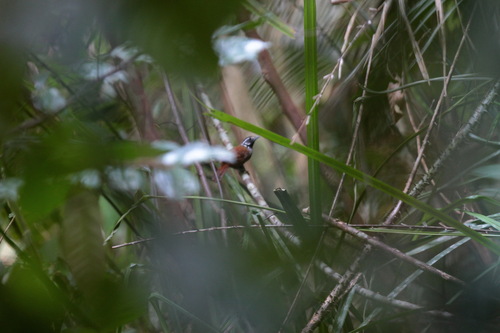 White-necked Babbler
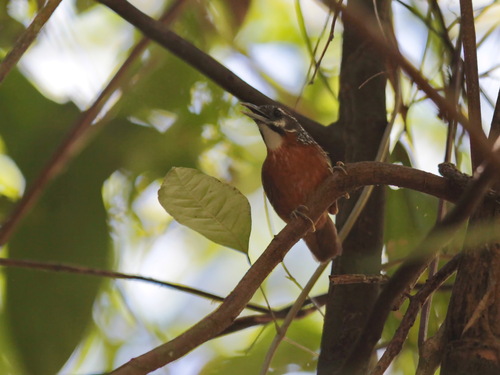 Spot-necked Babbler
In breve
Il modo più affidabile per separare il White-necked Babbler dallo Spot-necked Babbler è attraverso le loro distintive marcature del collo: il White-necked Babbler mostra una chiara macchia bianca sui lati del collo, mentre lo Spot-necked Babbler ha un motivo di piccole macchie o strisce chiare nell'area del collo. Entrambe le specie sono simili nella forma e nel comportamento complessivo, ma lo Spot-necked Babbler è leggermente più pesante e ha un'area geografica più ampia, che include la Cina e le foreste montane. Sul campo, concentrati sul motivo del collo e, dove possibile, sul contesto dell'habitat per evitare confusione.
Consigli di identificazione
- Neck Markings: Il segno di campo più consistente è il motivo del collo. Il White-necked Babbler mostra una macchia bianca solida e audace sui lati del collo; lo Spot-necked Babbler ha una serie di macchie o strisce chiare, che non formano mai una macchia solida. Questo è visibile sugli uccelli in posato e spesso anche in scarsa luce.
- Geographic Range: Se ti trovi in Cina, Laos, Myanmar o Vietnam, stai osservando lo Spot-necked Babbler; in Brunei o Malesia, è il White-necked Babbler. Entrambi si trovano in Indonesia e Thailandia, quindi usa il piumaggio lì.
- Habitat Elevation: Lo Spot-necked Babbler può essere trovato sia nelle foreste montane che in quelle di pianura; il White-necked Babbler è limitato alle foreste di pianura. Nelle foreste ad alta quota, è più probabile trovare lo Spot-necked.
- Body Size: Lo Spot-necked Babbler è mediamente leggermente più pesante, ma questo non è un segno di campo affidabile a meno che gli uccelli non siano insieme.
- Group Behavior: Entrambe le specie sono gregarie e si nutrono in densa vegetazione, quindi non fare affidamento sul comportamento per la separazione.
- Overall Plumage: Entrambi sono complessivamente marroni; non usare il colore della schiena o delle ali per la separazione.
- Flight Views: Non ci sono noti schemi di volo o segni di volo specifici per età per separare queste specie; concentrati sul motivo del collo anche in volo, se possibile.
- Juvenile/Immature Birds: Non sono documentati segni speciali per i giovani; usa il motivo del collo per tutte le età.
- Sex Differences: Non è riportato dimorfismo sessuale; entrambi i sessi mostrano gli stessi segni di campo.
- Seasonal Variation: Non sono notate variazioni nel piumaggio stagionale; il motivo del collo è affidabile tutto l'anno.
- Pitfall—Partial Views: Se vedi solo la schiena o le parti inferiori, non tentare di identificare; aspetta una vista chiara del collo.
- Pitfall—Lighting: In scarsa luce, la macchia bianca del collo del White-necked Babbler può apparire opaca, ma l'assenza di macchie lo distingue ancora dallo Spot-necked.
- Pitfall—Overlap Zones: In Indonesia e Thailandia, entrambe le specie si trovano; controlla sempre attentamente il motivo del collo.
- Vocalizations: Non sono documentate differenze vocali distintive nelle note disponibili; non usare la voce per la separazione.
- Summary: Dai sempre priorità a una vista chiara del collo; se questo non è possibile, usa l'area e l'habitat come prove di supporto, ma evita di indovinare basandoti solo sul comportamento o sulla dimensione.
Taglia
Lo Spot-necked Babbler è marginalmente più pesante (28 g contro 24 g per il White-necked Babbler), ma questa differenza di dimensione è sottile e improbabile che sia ovvia sul campo a meno che gli uccelli non siano affiancati. Entrambi sono piccoli, attivi babblers con proporzioni simili.
Piumaggio
Le differenze nel piumaggio sono incentrate sul collo: i White-necked Babblers adulti hanno una macchia bianca distintiva e ben definita sui lati del collo, che spicca contro il piumaggio altrimenti marrone. Gli Spot-necked Babblers, al contrario, mostrano una serie di macchie o strisce chiare sul collo, dando un aspetto maculato piuttosto che una macchia solida. Non ci sono note dettagliate su schemi di volo o segni di volo specifici per età (giovanili o immaturi) per nessuna delle due specie, quindi l'attenzione rimane sul motivo del collo per tutte le età. La colorazione e la struttura complessiva del corpo sono altrimenti abbastanza simili, quindi il collo è il segno di campo chiave.
Comportamento
Entrambe le specie sono babblers tipici: sociali, spesso si muovono in piccoli gruppi e si nutrono in densa vegetazione. Il loro comportamento sul campo è molto simile, rendendo i segnali comportamentali inaffidabili per la separazione.
Habitat
Il White-necked Babbler si trova in foreste umide di pianura in Brunei, Indonesia, Malesia e Thailandia. Lo Spot-necked Babbler ha un'area più ampia, presente in Cina, Indonesia, Laos, Myanmar, Thailandia e Vietnam, e si trova sia in foreste umide di pianura che montane. Se incontri un babbler con un collo maculato in una foresta montana o in Cina, è quasi certamente lo Spot-necked Babbler. In Malesia o Brunei, ci si aspetta solo il White-necked Babbler.
White-necked Babbler · Spot-necked Babbler · I miei uccelli difficili