

White-fronted Tern vs New Zealand Fantail
Sterna striata contro Rhipidura fuliginosa
Fai un quiz con White-fronted Tern e New Zealand Fantail
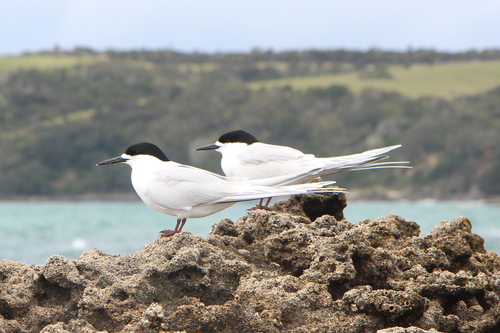 White-fronted Tern
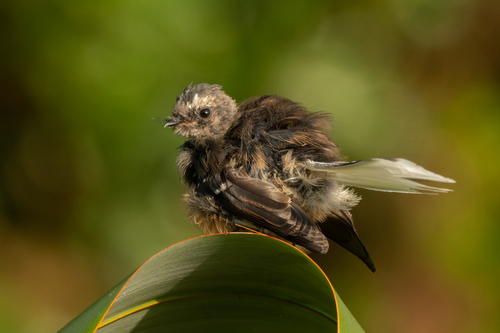 New Zealand Fantail
In breve
Il segno distintivo più affidabile che separa il White-fronted Tern dal New Zealand Fantail è la struttura generale e lo stile di volo: i gabbiani sono eleganti, con ali lunghe e code profondamente forked e parti inferiori completamente bianche, mentre i fantail sono uccelli canori piccoli e irrequieti con una coda corta a forma di ventaglio e un forte motivo facciale. I giovani White-fronted Terns mostrano macchie marroni e grigie sopra, ma anche in quel caso, le loro ali affusolate e appuntite e la coda forked sono diverse dalle ali compatte e arrotondate e dalla coda costantemente aperta di un fantail. Se vedi un uccello che si lancia per insetti in boschi o giardini, è un fantail; se vola sopra il mare o le spiagge con planate aggraziate, è un gabbiano. Dimensione, forma del becco e comportamento sono tutti drammaticamente diversi.
Consigli di identificazione
- Dimensione: Il White-fronted Tern è molto più grande del New Zealand Fantail; se vedi entrambi insieme, la differenza è inconfondibile. Usa questo come primo controllo, ma fai attenzione a uccelli lontani o solitari.
- Forma del Becco: Il gabbiano ha un becco lungo, snodato e nero; il fantail ha un becco corto e sottile adatto per catturare insetti. Il becco è diagnostico a distanza ravvicinata.
- Forma della Coda: La coda del gabbiano è lunga e profondamente forked (specialmente in volo o durante la stagione di riproduzione), mentre la coda del fantail è larga, arrotondata e aperta, spesso tenuta aperta.
- Stile di Volo: I gabbiani planano e si librano con ali lunghe e appuntite; i fantails svolazzano e si lanciano con battiti d'ali rapidi ed erratici e frequenti aperture della coda.
- Piumaggio Giovanile: I giovani White-fronted Terns hanno macchie marroni e grigie sopra e un cappuccio nero maculato e incompleto; i giovani fantail sono più marroni ma non hanno alcun cappuccio o forte motivo facciale. Questo è particolarmente utile per separare i giovani uccelli a fine estate/autunno.
- Motivo della Testa degli Adulti: I gabbiani in riproduzione hanno un cappuccio nero completo con una stretta banda bianca sulla fronte; i fantail hanno una gola bianca, una banda scura sul petto e un audace sopracciglio bianco (eccetto le forme nere). I gabbiani non in riproduzione perdono un po' di intensità del cappuccio e il nero si ritira, ma mancano ancora del motivo facciale del fantail.
- Parti Inferiori: I gabbiani sono completamente bianchi sotto (a volte con un tenue rosa durante la stagione di riproduzione); i fantail sono giallastri/arancioni sotto con una banda scura sul petto.
- Motivo delle Ali: Le ali superiori del gabbiano sono di un grigio argenteo pallido con punte scure; le ali del fantail sono più scure sopra, senza pannelli chiari o tonalità argentate.
- Zampe: Le zampe del gabbiano sono corte e di un nero borgogna scuro; le zampe del fantail sono sottili e scure, ma molto meno evidenti a causa delle loro piccole dimensioni.
- Habitat: Il gabbiano è costiero, raramente nell'entroterra; il fantail è terrestre, mai in mare. Se visto in un giardino o in un bosco, è quasi certamente un fantail.
- Comportamento: Il gabbiano si posa in gruppi su rocce o spiagge, vola sopra l'acqua; il fantail è solitario o in piccoli gruppi, sempre attivo e con la coda aperta.
- Voce: Il fantail emette un richiamo metallico 'cheek' o un richiamo chiacchierino; i gabbiani non producono questo suono.
- Fantail Morfo Nero: Completamente scuro tranne per una macchia bianca dietro l'occhio; mai confuso con i gabbiani, che non sono mai completamente scuri.
- Contesto: Se l'uccello ti segue lungo un sentiero o cerca cibo vicino alle persone, è un fantail. Se vola sopra le onde o si tuffa per pesci, è un gabbiano.
- Variazione Stagionale: Il cappuccio nero del gabbiano si ritira nella stagione non riproduttiva ma non forma mai un motivo facciale come il fantail. Le macchie delle ali superiori del giovane gabbiano sono uniche tra questi due.
Taglia
Il White-fronted Tern è enormemente più grande, pesando circa 128 g e misurando 35–43 cm di lunghezza con un'apertura alare fino a 82 cm. Al contrario, il New Zealand Fantail è piccolo, solo 7.2 g e circa 16 cm di lunghezza (metà della quale è coda). Sul campo, il gabbiano è un uccello marino di dimensioni medie, molto più grande di qualsiasi uccello canoro, mentre il fantail è uno dei più piccoli uccelli della Nuova Zelanda e appare delicato e svolazzante.
Piumaggio
I giovani e immaturi White-fronted Terns hanno parti superiori e ali macchiate di grigio chiaro a scuro e marroni caldi, e un cappuccio nero maculato e incompleto con segni scuri attorno agli occhi. Questi segni non sono mai così audaci o così patternati come il volto del fantail. I giovani fantail sono più marroni in generale, con segni corporei indistinti e senza cappuccio. Gli adulti White-fronted Terns sono per lo più bianchi sotto e sulle ali inferiori, con un mantello grigio argenteo pallido e ali superiori, un cappuccio nero (in riproduzione) e una stretta banda bianca sulla fronte. I fantail (eccetto le rare forme nere) hanno una banda scura sotto una gola bianca, parti inferiori giallastre/arancioni, un supercilio bianco e una coda con piume esterne bianche e piume centrali scure, spesso aperta. Il fantail morfo nero è scuro ovunque tranne per una macchia bianca dietro l'occhio, che non si vede mai nei gabbiani. Le code dei gabbiani sono lunghe e profondamente forked; le code dei fantail sono larghe, arrotondate e a forma di ventaglio.
Comportamento
I White-fronted Terns sono solitamente visti in gruppi lungo le coste, volando sopra l'acqua o posati su rocce, spesso nutrendosi tuffandosi per pesci. Il loro volo è galleggiante e diretto, con lunghe planate e battiti d'ali superficiali. I New Zealand Fantails sono quasi mai fermi, svolazzando costantemente, aprendo le loro code e facendo voli brevi ed erratici per catturare insetti, spesso vicino alle persone. Sono tipicamente solitari o in piccoli gruppi, raramente in grandi stormi, e sono più spesso visti in foreste, giardini o parchi piuttosto che lungo le coste aperte.
Habitat
Il White-fronted Tern è strettamente costiero, trovato lungo spiagge, coste rocciose e isole al largo, raramente avventurandosi nell'entroterra. Si riproduce in colonie dense su sabbia, ghiaia o substrati rocciosi vicino al mare. Il New Zealand Fantail è un uccello terrestre, comune in foreste, cespugli, giardini e parchi, e non si trova in mare o su spiagge aperte. Se l'uccello è in un bosco o in un ambiente urbano, è quasi certamente un fantail.
Voce
Le chiamate del White-fronted Tern non sono descritte nelle note, ma i gabbiani generalmente hanno chiamate dure, acute o stridule. Il New Zealand Fantail emette un richiamo metallico 'cheek', spesso ripetuto in una sequenza chiacchierina. Se senti un chiacchierio metallico rapido nel bosco, è un fantail; i gabbiani sono solitamente silenziosi lontano dalle colonie e non producono suoni simili.
White-fronted Tern · New Zealand Fantail · I miei uccelli difficili