

Dendrocigna facciabianca vs Dendrocigna fulva
Dendrocygna viduata contro Dendrocygna bicolor
Fai un quiz con Dendrocigna facciabianca e Dendrocigna fulva
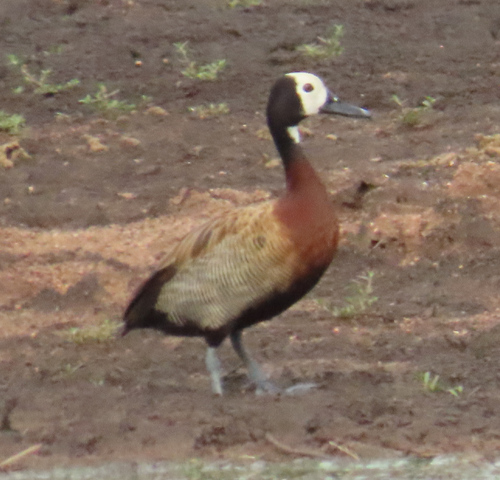 Dendrocigna facciabianca
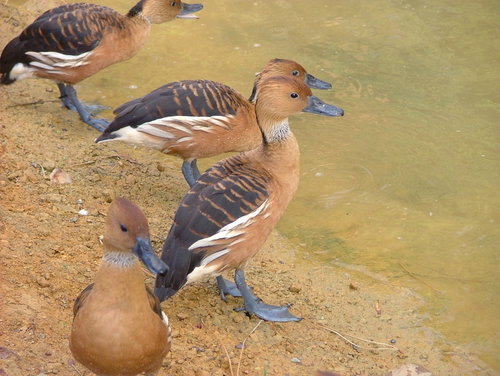 Dendrocigna fulva
In breve
Il modo più affidabile per separare il Dendrocigna facciabianca dal Dendrocigna fulva è attraverso il modello della testa e del collo: il Dendrocigna facciabianca mostra un volto bianco sorprendente e un collo nero, mentre il Dendrocigna fulva è di un ricco color buff nel complesso con una striscia scura sulla corona e nessun bianco sul volto. In volo, il Dendrocigna fulva mostra una bold striscia bianca attraverso la coda nera, assente nel Dendrocigna facciabianca. Entrambe le specie sono simili in dimensioni e struttura, ma il loro piumaggio e soprattutto il modello della testa sono costantemente diagnostici a tutte le età. I giovani di entrambe le specie sono più opachi, ma il contrasto tra volto e collo rimane il miglior indizio. I richiami sono simili, ma esistono differenze sottili.
Consigli di identificazione
- Face and Neck Pattern (All Ages): Il Dendrocigna facciabianca mostra sempre un volto bianco a forte contrasto e un collo nero, anche nei giovani (anche se meno nitido nei giovani uccelli). Il Dendrocigna fulva non mostra mai bianco sul volto; invece, ha una testa e un collo color buff o fulvo con una striscia scura sulla corona e una linea sulla nuca.
- Flight Pattern (All Ages): Il Dendrocigna fulva mostra una bold striscia bianca o una mezzaluna attraverso la coda nera in volo, visibile dall'alto e dal basso. Il Dendrocigna facciabianca non ha affatto questa caratteristica.
- Underparts and Flanks: Il Dendrocigna facciabianca ha parti inferiori nere con sottili barre bianche sui fianchi; il Dendrocigna fulva è di un ricco color buff sotto con fianchi più chiari e meno contrastanti e senza barre sottili.
- Chestnut Neck Sides: Il Dendrocigna facciabianca mostra castano sui lati del collo, in contrasto con il fronte nero e il volto bianco. Il Dendrocigna fulva è più uniforme di un color buffo-marrone sul collo.
- Crown Stripe: Il Dendrocigna fulva ha una striscia scura da marrone a nera che corre dalla corona fino alla nuca, assente nel Dendrocigna facciabianca.
- Mantle and Back: Il Dendrocigna fulva ha un mantello marrone più scuro con piume a punta color buff; il dorso e le ali del Dendrocigna facciabianca sono marrone scuro a nero ma mancano delle punte color buff.
- Bill and Legs: Entrambi hanno becchi e zampe grigie lunghi—queste caratteristiche non li separano.
- Juvenile Plumage: Il giovane Dendrocigna facciabianca è più opaco ma mantiene il volto chiaro e il collo scuro; il giovane Dendrocigna fulva è più chiaro nel complesso, specialmente sui fianchi, ma non mostra mai un volto bianco.
- Sexes: Maschi e femmine sono simili in entrambe le specie; il sesso non è un carattere distintivo sul campo.
- Vocalizations: Entrambi sono fischiatori, ma il Dendrocigna facciabianca emette un chiaro richiamo a tre note, mentre il richiamo del Dendrocigna fulva è un fischio 'kee-wee-ooo.' Questi sono sottili e meglio utilizzati con esperienza.
- Flocking Behavior: Entrambi sono altamente gregari e spesso visti in grandi stormi, quindi la dimensione o il comportamento del gruppo non sono separatori.
- Habitat: Entrambi utilizzano habitat umidi simili in aree sovrapposte; l'habitat non è un separatore affidabile.
- Geographic Range: Il Dendrocigna fulva ha un'area di distribuzione più ampia, ma dove entrambe le specie si trovano, l'area non è diagnostica.
- In Flight: Cerca la striscia bianca sulla coda del Dendrocigna fulva e l'assenza di bianco sul volto; il Dendrocigna facciabianca manca della striscia bianca sulla coda ma mostra un volto chiaro anche in volo.
- Pitfalls: Il Dendrocigna facciabianca immaturo può sembrare avere un volto opaco ma mostra sempre un certo contrasto chiaro; il Dendrocigna fulva non mostra mai un volto bianco a nessuna età. Evita di fare affidamento sulla dimensione o sulla forma del becco, poiché queste sono troppo simili.
Taglia
Entrambe le specie sono quasi identiche in dimensioni e massa, con il Dendrocigna facciabianca che pesa in media 674g e il Dendrocigna fulva 682g [wikidata]. Entrambi hanno zampe lunghe e becchi grigi lunghi. Sul campo, la dimensione non è un separatore affidabile, poiché entrambe hanno proporzioni e volume simili.
Piumaggio
I giovani di entrambe le specie sono più opachi rispetto agli adulti, ma la differenza chiave—il volto chiaro del Dendrocigna facciabianca rispetto alla testa uniforme color buff del Dendrocigna fulva—rimane visibile anche nei giovani uccelli. Il Dendrocigna facciabianca (tutte le età) mostra un volto bianco e un collo nero, con castano sui lati del collo e parti inferiori nere con sottili barre bianche sui fianchi. Il Dendrocigna fulva (tutte le età) è di un ricco color buff o fulvo sulla testa, collo e petto, con una striscia scura sulla corona e una linea sulla nuca, dorso più scuro e piume del mantello a punta color buff. In volo, il Dendrocigna fulva mostra una distintiva striscia bianca attraverso la coda nera (mezzaluna del dorso), che il Dendrocigna facciabianca non ha. L'ala superiore e l'ala inferiore sono marroni a nere in entrambe, ma solo il Dendrocigna fulva ha la striscia bianca sulla coda. Il giovane Dendrocigna fulva è più chiaro e opaco, specialmente sui fianchi, ma manca ancora di qualsiasi bianco sul volto.
Comportamento
Entrambe le specie sono altamente gregari e spesso si trovano in grandi stormi, a volte numerando migliaia di esemplari. Sono entrambe rumorose e attive, specialmente all'alba. Entrambe le specie si nutrono in ambienti umidi e mostrano comportamenti di alimentazione e di gruppo simili. Non ci sono forti differenze comportamentali per la separazione sul campo.
Habitat
Entrambe le specie si sovrappongono ampiamente in termini di area e habitat, presenti nell'Africa sub-sahariana e in Sud America, e entrambe preferiscono habitat umidi con abbondante vegetazione. Il Dendrocigna fulva ha un'area di distribuzione globale più ampia, presente anche in alcune parti dell'Asia e nel sud degli Stati Uniti. Entrambi possono essere trovati in laghi poco profondi, paludi e campi di riso. Solo l'habitat non separa affidabilmente dove le aree si sovrappongono.
Voce
Entrambe le specie hanno richiami fischianti chiari, spesso emessi in volo o a terra. Il Dendrocigna facciabianca emette un chiaro fischio a tre note; il richiamo del Dendrocigna fulva è descritto come un fischio 'kee-wee-ooo.' Entrambi sono rumorosi e vocali, specialmente in stormi. Le differenze sono sottili e non sempre affidabili per la separazione sul campo, a meno che i richiami non siano ben noti.
Dendrocigna facciabianca · Dendrocigna fulva · I miei uccelli difficili